
Key Takeaways
International trade has transformed through digital accessibility, allowing small retailers to serve customers across the globe without heavy infrastructure. Success depends on strategic planning, reliable supply chains, and a focus on localized customer needs.
- Automating fulfillment processes replaces legacy manual sourcing methods.
- Strategic product selection requires deep analysis of regional consumer behavior.
- Navigating customs and import regulations is essential for long-term operational success.
- Customer experience demands multi-currency and multilingual support platforms.
- Addressing financial complexity through currency management and tax compliance stabilizes margins.
The evolution of global supply chain management

Market dynamics have shifted dramatically as the barriers to entry for global trade continue to crumble. Retailers no longer rely on cumbersome manual processes that once limited operations to domestic borders. Instead, businesses now leverage digital interconnectedness to streamline how goods flow from manufacturers directly to consumers, regardless of geographical distance.
The shift from manual sourcing to automated fulfillment
Traditional sourcing required physical presence and rigorous inventory management, which often led to significant capital risks. Modern systems allow for automated order routing, where suppliers handle picking and packing upon a customer purchase. This transition allows retailers to focus on marketing and brand growth rather than warehouse upkeep.
How digital marketplaces have democratized global trade
Global marketplaces provide a bridge between local manufacturers and worldwide buyers. These platforms offer standardized protocols and verified supplier databases that reduce risk for new business owners. By leveling the playing field, these digital repositories empower smaller shops to compete with established retailers on a global scale.
Real-time tracking and inventory visibility for modern consumers
Consumers today expect complete transparency throughout the delivery process. Advanced logistics integrations offer real-time updates that link order records with carrier status. Providing this granular visibility fosters trust and reduces customer anxiety regarding long-distance wait times.
Leveraging advanced dropshipping platforms for international scale

Modern platforms act as command centers for scaling cross-border operations effectively. By centralizing supplier interactions, retailers can manage diverse product catalogs without the traditional pitfalls of bulk inventory management. These tools facilitate global business growth when deployed thoughtfully within a structured ecommerce ecosystem.
Integrating global supplier networks directly with ecommerce storefronts
Direct integration establishes a continuous data feed between inventory levels and storefront availability. This automated synchronization prevents overselling, as the system updates product stock status the moment a supplier reports a change in supply. Consistent data architecture is the backbone of a professional dropshipping operation.
Using AI to automate product research and scale pricing strategies
Artificial intelligence tools quickly identify emerging patterns in consumer interest across different regional platforms. This technical capability allows for dynamic adjustment of pricing strategies to match market fluctuations. By automating research, retailers spend less time guessing what might sell and more time refining their marketing focus.
The role of localized fulfillment centers in reducing delivery wait times
Strategic use of regional fulfillment nodes significantly lowers end-to-end delivery durations. By positioning products closer to large customer bases, wait times drop, which increases overall buyer satisfaction. This geographic strategy transforms shipping from a significant operational challenge into a competitive advantage.
Strategies for effective cross-border product selection

Choosing the right assortment requires shifting the perspective from what sells locally to what resonates globally. Product demand is often tied to distinct cultural variables that shift based on geography and social habits. Diligent research into these nuances ensures the curated inventory meets actual needs rather than speculative assumptions.
Analyzing regional demand and cultural buying habits
Buying habits vary substantially between neighboring countries, often due to local customs or climate conditions. Successful retailers conduct regional market analysis to identify specific pain points that popular products solve. Tailoring the inventory to these realities increases conversion rates and reduces unnecessary returns.
Adapting product descriptions for diverse international markets
Language is only part of the localization puzzle. Product descriptions must address local terminology, measurement units, and common usage cases relevant to that specific market. Precision in communication eliminates misunderstandings and helps the brand appear culturally aware and accessible.
Testing product-market fit with targeted global social media campaigns
Social platforms provide a low-cost testing ground for potential trending products. By running small, geographically targeted campaigns, retailers can observe engagement metrics before committing to larger supply arrangements. This data-driven approach confirms demand before the store scales its financial commitments.
Navigating international logistics and customs regulations
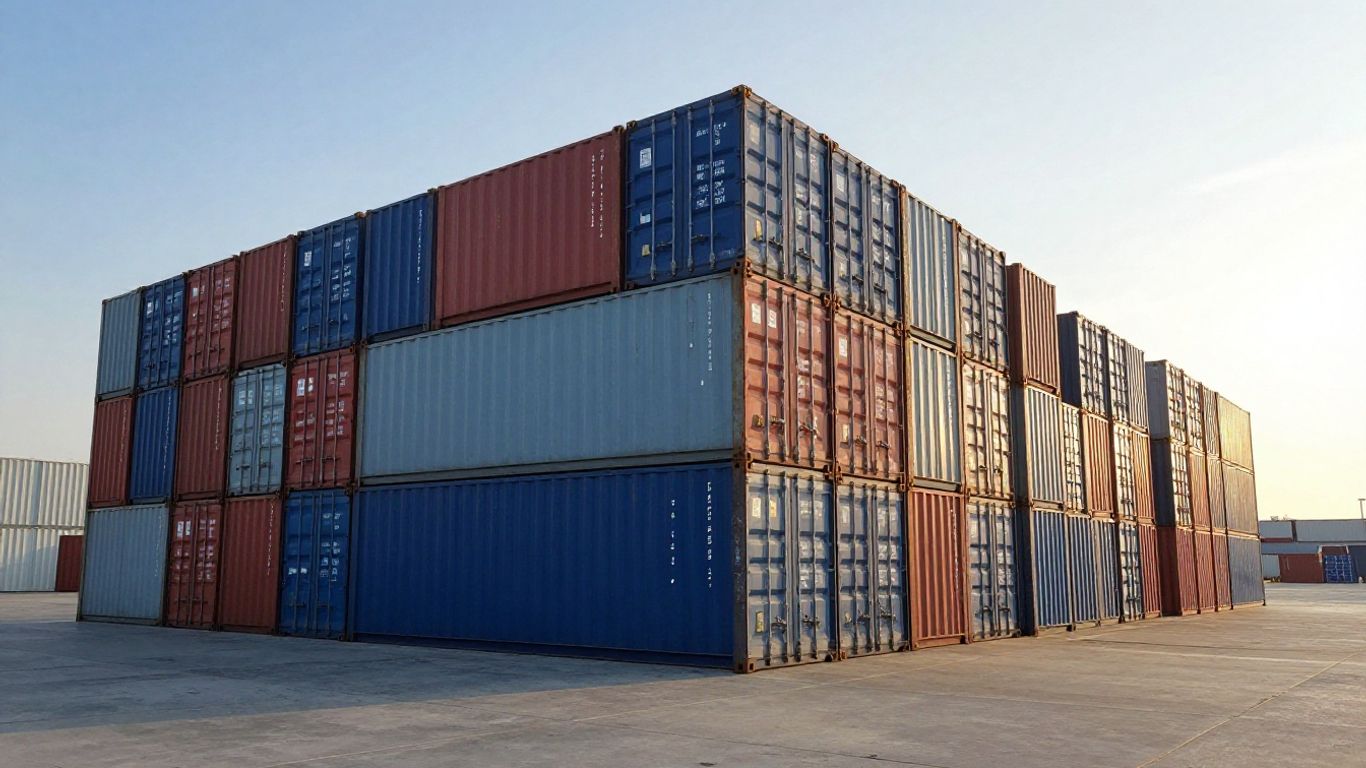
Compliance with international regulations is the most critical hurdle for any global retailer. Navigating the complexities of duties, import taxes, and cross-border paperwork requires a disciplined approach to documentation and partnership. Missteps here can lead to operational delays and negative perceptions by the end customer.
Minimizing import tax and duty friction for the end customer
Proactive management of tax expectations prevents unpleasant surprises at the point of delivery. Clear information during checkout regarding potential duties helps build trust and ensures customers are prepared for costs. Transparency in these financial details is vital for maintaining a clean brand reputation.
Working with reliable shipping partners to handle compliance
Logistics experts provide essential support in handling local customs office requirements for different countries. Developing relationships with shipping partners who specialize in international flows simplifies the administrative burden. These professionals understand the regulatory landscape and provide the necessary support to move items across borders seamlessly.
Managing necessary documentation and certificates for cross-border trade
Every product category requires specific documentation to clear customs efficiently, from safety certifications to origin declarations. Maintaining a digital repository of these electronic documents ensures that every shipment is prepared for inspection. Accurate, accessible records prevent unnecessary hold-ups at borders.
Optimizing customer experience for a global audience
Delivering a consistent service experience across time zones necessitates a blend of automation and human insight. Global customers value stores that feel native to their local context, regardless of where the business is headquartered. Providing consistent support through digital channels ensures that every user feels valued during their shopping journey.
Implementing multi-currency and multi-language store features
Dynamic store interfaces that detect user settings and adjust pricing display and language significantly boost trust levels. Consumers are far more likely to complete a purchase when they can transact in their home currency. This level of localization signals that the store is well-equipped to manage international clients.
Establishing clear, transparent, and fair international return policies
Return logistics are often complicated, so clarity in policy is the best way to handle potential friction. A well-defined policy covers who is responsible for the associated return shipping costs. Fairness in these terms preserves brand loyalty and minimizes the impact of post-purchase concerns.
Providing responsive customer support across different time zones
Support infrastructure must align with the operational hours of the target market. Utilizing ticket-based support systems or automated assistance can provide essential coverage when a human team is offline. Reliability in support ensures that inquiries regarding orders or products are resolved within a reasonable timeframe.
Managing financial complexities in international dropshipping
The financial structure underpinning international trade requires careful monitoring to protect margins. Currency exchange, payment security, and tax registration are interconnected elements that must be managed as part of the primary business strategy. Consistent monitoring of these variables prevents long-term losses.
Mitigating risks associated with fluctuating currency exchange rates
Currency fluctuations create volatility in profit margins, especially when sourcing in one currency and selling in another. Using financial tools to manage these risks provides stability, ensuring that unexpected shifts in value do not jeopardize store operations. A proactive financial approach turns potential losses into manageable costs.
Understanding cross-border payment gateway requirements for safety
Secure payment processing that complies with local financial data laws is essential for global business. Retailers must ensure that their gateway supports the preferred local payment methods of their customer base. Choosing the right provider safeguards financial transactions and fosters confidence among potential buyers.
Ensuring tax compliance and VAT registration in key operational regions
Selling internationally often triggers local tax obligations that vary by region and volume. Registering appropriately for VAT or similar schemes is essential for maintaining legal compliance. Keeping updated records ensures the business operates transparently within each specific jurisdiction.
Conclusion
Success in global dropshipping requires balancing technical logistics with a deep understanding of unique consumer priorities across different regions. By focusing on reliable automation, cultural nuance, and clear financial management, retailers can build a resilient, scalable operation that truly reaches an international audience.
Frequently Asked Questions
What is the most important factor when starting an international dropshipping business?
Consistency across the supply chain is generally considered the most important factor. Ensuring that the products delivered match the advertised quality and time frames builds the trust necessary to support long-term sales.
How do logistics providers impact delivery times for cross-border orders?
Reliable logistics partners utilize optimized routes and established customs relationships to expedite movement across borders. Their ability to manage transit documentation proactively prevents delays that often occur at local processing facilities.
Why is localizing checkout experiences so important for international sales?
Localizing the checkout, including currency display and language options, reduces the cognitive burden on the buyer. It makes the transaction feel legitimate and intuitive, which directly correlates to higher conversion rates.
Is it possible to avoid paying extra import taxes on dropshipped goods?
Import taxes are set by government regulations based on the destination and product type. Retailers cannot avoid these taxes, but they can ensure transparency by educating customers on potential costs, which helps reduce delivery rejections.
How can a new business verify the reliability of an international supplier?
Verification involves checking trade history, product quality control processes, and responsiveness during early communication. Many successful retailers start with a test order to judge shipping speed and packaging before attempting to scale sales.
What are the main risks associated with currency conversion?
Fluctuations in the foreign exchange market can erode thin profit margins if not properly mitigated. Retailers often use fixed-rate agreements or financial hedging tools to lock in pricing and protect their bottom line.
How can social media validate whether a product will sell internationally?
Social media allows for focused market testing where feedback can be gathered through engagement, comments, and direct interaction. These early signals provide proof of concept before the retailer commits to full-scale inventory planning.
Grow Your Business Today
Ready to scale your reach? Discover how our resources can help you build and maintain a successful online brand that connects with customers around the world.