
Thinking about starting an online store but don’t want to deal with a ton of upfront inventory? Dropshipping might be your answer. It’s a business model where you sell products online, but you don’t actually keep any stock yourself. When a customer buys something from your store, you just tell your supplier, and they ship it directly to the customer. Sounds simple, right? Well, there’s a bit more to it, but this guide will walk you through the basics of how do I start dropshipping and get your own online business up and running.
Key Takeaways
- Dropshipping lets you sell products online without holding inventory yourself; suppliers handle shipping.
- Finding the right product niche is important, so research what people want and check out what competitors are doing.
- You’ll need to find reliable suppliers who can get products to your customers on time and in good condition.
- Setting up your online store involves picking a platform, making it easy to use, and writing clear product details.
- Don’t forget the business side: register your name, figure out sales tax, and get a separate bank account.
Understanding The Dropshipping Model
What Exactly Is Dropshipping?
So, you’re thinking about starting an online store but the idea of stocking up on tons of products sounds… well, a bit much? That’s where dropshipping comes in. Basically, it’s a way to run an online shop without actually keeping any inventory yourself. When a customer buys something from your store, you then buy the item from a third-party supplier, and they ship it directly to the customer. You never have to touch the product. Your main job is marketing and customer service. It’s a pretty neat setup for getting into e-commerce without a huge upfront investment.
Why Dropshipping Is Great For Beginners
Dropshipping is often talked about as a good starting point for new online sellers, and there are some solid reasons why. First off, the startup costs are way lower compared to traditional retail. You don’t need to buy a big batch of products before you even make a sale. This means less financial risk. Plus, you can run this kind of business from pretty much anywhere with an internet connection. Need to test out a new product idea? It’s easy to add or remove items from your store since you’re not tied down by physical stock. It really lets you focus on building your brand and connecting with customers. You can explore different product types and see what sticks without a massive commitment. It’s a flexible way to get your feet wet in the world of online sales, and many people find success with this business model.
Common Dropshipping Myths Debunked
There are a lot of stories out there about dropshipping, and not all of them are true. Let’s clear up a few common misconceptions:
- Myth 1: It’s a get-rich-quick scheme. Nope. While the startup costs are low, making good money takes time, effort, and smart marketing. You still need to work hard.
- Myth 2: You don’t need to worry about customer service. Wrong. Since the supplier ships the product, you’re still the one customers will contact with issues. Good service is key.
- Myth 3: Product quality doesn’t matter. It absolutely does. If your supplier sends out junk, your reputation will suffer, even if it wasn’t your fault directly.
The reality is that dropshipping is a legitimate business model, but like any business, it requires dedication and a strategic approach to succeed. It’s not a magic button for instant wealth, but a real opportunity if you put in the work.
Finding Your Niche: What To Sell
Okay, so you’re ready to jump into dropshipping, but the big question is: what are you actually going to sell? This is where a lot of people get stuck, staring at a blank screen, wondering if there’s some secret formula for picking winning products. Honestly, there isn’t one magic bullet, but there are definitely smart ways to approach it. Picking the right niche is super important because it sets the stage for everything else – your marketing, your customers, and ultimately, your profits.
Brainstorming Product Ideas
First off, let’s just get some ideas flowing. Don’t censor yourself at this stage. Think about things you’re interested in, hobbies you have, or even problems you’ve encountered that you wish had a better solution. Sometimes the best ideas come from personal experience. Maybe you’re obsessed with sustainable living, or you’re a total dog person, or you love gadgets that make life easier. Jot it all down. You can also look at what’s trending online. Sites like Google Trends can show you what people are searching for, and social media is a goldmine for spotting what’s popular. Keep an eye on what your friends and family are talking about or buying, too.
Validating Your Niche's Potential
Once you have a list of potential ideas, it’s time to see if they’ve actually got legs. You don’t want to pour your energy into something nobody wants to buy. A good niche usually has a few things going for it. It should ideally solve a problem or cater to a specific passion. Think about whether people need this product or if it’s something they’ll really want. Also, consider the size of the audience. Is it big enough to make money, but not so huge that it’s completely saturated? You’re looking for that sweet spot. A niche like ‘eco-friendly dog toys’ is a good example because it targets a specific group with a clear interest and a growing market. You can check out forums and social media groups related to your potential niche to see if people are actively discussing products and looking for solutions.
It’s easy to get caught up in chasing the ‘next big thing,’ but often, focusing on a well-defined niche with a passionate audience is a more stable path to success. Think about the long game, not just a quick trend.
Analyzing The Competition
Now, you can’t talk about a niche without talking about the competition. It’s not about avoiding competition altogether – that’s pretty much impossible. Instead, you want to understand who else is selling similar products and how they’re doing it. Look at their websites, their pricing, and how they market themselves. Are they doing a great job? Are there gaps you can fill? Maybe their product descriptions are weak, or their customer service seems lacking. This is your chance to figure out how you can do things better or differently. You can find competitors by simply searching for your product ideas on search engines and social media. Understanding the competitive landscape helps you figure out your unique selling proposition and how to stand out. It’s all about finding your angle and making it work for you. You can find some great resources on how to research products to help you get started.
Sourcing Your Products: Finding Suppliers

Okay, so you’ve got your niche figured out. Awesome! Now comes the part where you actually get the stuff you’re going to sell. This is where dropshipping suppliers come in. They’re the ones who hold the inventory and ship it directly to your customers. Finding good ones is, like, super important. Your supplier is basically your business partner, so you want to pick wisely.
Where To Find Reliable Dropshipping Suppliers
There are a few main places you can look. Don’t just go with the first one you see, though. Do a little digging!
- Supplier Directories: These are websites that list tons of suppliers. Think of them like a phone book for dropshipping. Some popular ones include SaleHoo, Worldwide Brands, and Doba. They often have fees, but they can save you a lot of time.
- Online Marketplaces: Places like AliExpress are super popular for dropshipping. You can find almost anything there, and the prices are usually pretty low. Just be aware that shipping times can sometimes be long, and quality can vary a lot.
- Directly Contacting Manufacturers: If you know exactly what you want to sell, you can try reaching out to the companies that make it. This can be a bit more work, but you might get better prices and have more control.
- Trade Shows: This is a bit old-school, but if you can attend industry trade shows, you can meet suppliers face-to-face. It’s a great way to build relationships.
Evaluating Supplier Quality And Reliability
So, you’ve found a few potential suppliers. How do you know if they’re any good? Here’s what to look for:
- Communication: How quickly and clearly do they respond to your questions? If they’re slow or vague now, imagine what it’ll be like when there’s a real problem.
- Product Quality: Can you get samples? You absolutely should. You need to see and feel the product yourself before you start selling it.
- Shipping Times & Costs: Get a clear understanding of how long it takes them to process orders and ship them out. Also, figure out their shipping fees. This will affect your pricing and customer satisfaction.
- Return Policy: What happens if a customer wants to return something? Make sure their policy works for you and your customers.
- Reviews & Reputation: Do a quick search online. See what other people are saying about them. Are there a lot of complaints?
Communicating With Your Suppliers
Once you’ve picked a supplier, you need to set up how you’ll work together. Be super clear about everything.
- Place a Test Order: Before you send any real customers their way, place an order yourself. See how the whole process goes from start to finish.
- Establish Communication Channels: How will you send them orders? Email? A special portal? Make sure you both agree on the best way to communicate.
- Discuss Order Volume: If you start getting a lot of orders, can they handle it? It’s good to have a heads-up about their capacity.
Remember, your supplier is the backbone of your dropshipping business. If they mess up, it looks bad on you. So, take the time to find the right ones and build a good working relationship. It’s worth the effort.
Here’s a quick checklist to help you compare suppliers:
| Feature | Supplier A | Supplier B | Supplier C |
|---|---|---|---|
| Response Time | Fast | Medium | Slow |
| Sample Quality | Good | Excellent | Okay |
| Shipping Cost | Low | Medium | High |
| Return Policy | Clear | Vague | Strict |
| Online Reviews | Positive | Mixed | Negative |
Building Your Online Storefront

Okay, so you’ve got your product idea and a supplier lined up. Now it’s time to actually build the place where people will buy your stuff. This is your online shop, your digital storefront. It needs to look good, be easy to use, and make people want to click ‘buy’. Don’t worry, it’s not as complicated as it sounds, especially with the tools available today.
Choosing The Right E-commerce Platform
This is a big decision. Think of it like picking the right location for a physical store. You want a platform that fits your budget, your tech skills, and what you want your store to do. Some are super simple, others have more bells and whistles.
Here are a few popular choices:
- Shopify: Probably the most well-known. It’s user-friendly, has tons of apps to add features, and is built for online selling. It’s a solid all-around choice for beginners and pros alike.
- WooCommerce: This is a plugin for WordPress. If you already have a WordPress site or are comfortable with it, this can be a great, flexible option. It gives you a lot of control.
- BigCommerce: Another strong contender, often compared to Shopify. It’s known for its built-in features, meaning you might not need as many extra apps.
- Wix/Squarespace: These are more general website builders that also have e-commerce capabilities. They’re great if you want a really visually appealing site and don’t need super complex store features.
The best platform for you depends on your specific needs. Don’t get too caught up in the ‘perfect’ choice; pick one that lets you get started and grow.
Designing A User-Friendly Store
Once you’ve picked your platform, you need to make it look good and work well. People are impatient online. If they can’t find what they’re looking for or if the site is slow, they’ll leave. A clean, intuitive design is key to keeping visitors on your site.
Think about:
- Navigation: Make it super easy for people to browse categories, find products, and get to the checkout.
- Mobile Responsiveness: Most people shop on their phones these days. Your site must look and work perfectly on a small screen.
- Loading Speed: Slow sites lose customers. Optimize your images and choose a reliable platform.
- Clear Calls to Action: Buttons like ‘Add to Cart’ or ‘Buy Now’ should be obvious and easy to click.
Writing Compelling Product Descriptions
This is where you convince people to buy. Don’t just copy what the supplier gives you. You need to make the product sound appealing and answer any questions a customer might have. Think about the benefits of the product, not just the features.
Here’s a quick way to structure a good description:
- Hook: Start with a catchy sentence that grabs attention.
- Benefits: Explain how the product solves a problem or improves the customer’s life.
- Features: List the key specs and what makes it work.
- Details: Include size, materials, what’s in the box, etc.
- Call to Action (Implied): Make it sound desirable, encouraging them to add it to their cart.
For example, instead of "Blue T-shirt, 100% Cotton," try something like: "Stay cool and comfortable all day long in this super-soft, 100% cotton tee. Its classic fit is perfect for any occasion, whether you’re lounging at home or heading out with friends. Available in a range of vibrant colors to match your style." It’s about painting a picture and making the customer imagine themselves using and enjoying the product. You can find great examples of product descriptions on sites like Amazon to get ideas.
Setting Up Your Business Essentials
Alright, so you’ve got your product idea and you’re ready to build your store. That’s awesome! But before you start dreaming about sales, there are a few grown-up things you need to sort out. Think of it like getting your driver’s license before you can hit the road – these steps make sure you’re legit and ready to roll.
Registering Your Business Name
First off, you need a name for your shop. It’s more than just a label; it’s how people will find and remember you. Once you pick a name, you’ll likely need to register it. This process varies a bit depending on where you live, but generally, you’ll be looking at registering a ‘Doing Business As’ (DBA) name if you’re operating as a sole proprietor or partnership under a name other than your own legal name. If you’re forming an LLC or corporation, the name registration is part of that larger setup. This step makes your business official. It helps separate your personal finances from your business finances, which is super important down the line. You can usually find information on your local government’s website or through a business resource center.
Understanding Sales Tax Obligations
This one can feel a bit tricky, but it’s really important. When you sell products, you often have to collect and pay sales tax. The rules for this depend on where your business is located and where your customers are. It used to be simpler, but now with online sales, you might have to deal with taxes in multiple states. You’ll need to figure out if you have a ‘nexus’ (a significant business presence) in different states, which usually triggers a sales tax obligation. Many e-commerce platforms can help automate this, but you still need to understand the basics. It’s a good idea to look into resources that explain sales tax for online sellers, as getting this wrong can lead to penalties.
Opening A Business Bank Account
Seriously, don’t skip this. Mixing your personal money with your business money is a recipe for headaches, especially when tax time rolls around. Get a separate bank account just for your dropshipping business. This makes tracking income and expenses way easier. You’ll deposit all your sales into it and pay all your business expenses from it. When you go to register your business name or set up payment processors, you’ll often need a business bank account anyway. It just makes everything cleaner and more professional. You can usually open one with your local bank or a credit union, and they’ll just need your business registration documents.
Keeping your business finances separate from your personal ones isn’t just good practice; it’s often a legal requirement, especially if you form an LLC or corporation. It simplifies accounting, makes tax preparation smoother, and protects your personal assets if the business ever faces financial trouble.
Pricing Your Products For Profit
Alright, let’s talk about the money part. You’ve got your products, you’ve got your store, but how much should you actually charge? This is where a lot of new dropshippers get tripped up. You don’t want to price too high and scare customers away, but you definitely don’t want to price too low and end up working for free. Getting your pricing right is key to actually making money with your store.
Calculating Your Costs
Before you even think about a price tag, you need to know what you’re spending. This isn’t just the cost of the product from your supplier. You’ve got to factor in everything that goes into getting that product to your customer and running your business.
Here’s a breakdown of what to consider:
- Product Cost: What the supplier charges you for the item itself.
- Shipping Costs: What your supplier charges to ship to your customer. Sometimes this is included in the product cost, sometimes it’s separate.
- Platform Fees: If you’re using Shopify, Etsy, or another platform, they usually have monthly fees or transaction fees.
- Payment Processing Fees: Companies like Stripe or PayPal take a small cut of every sale.
- Marketing & Advertising: How much are you spending on ads, social media, etc.? You need to recoup this.
- Other Overheads: Think about any software you use, website hosting, or even the cost of your time.
It can feel like a lot, but jotting it all down is super important. You can even create a simple spreadsheet to keep track.
Determining Your Profit Margins
Once you know your total costs for a product, you can figure out your profit margin. This is the percentage of the selling price that’s pure profit. A common mistake is just adding a fixed amount to the cost, but thinking in terms of margins is more sustainable.
Let’s say your total cost for a product (including shipping, fees, etc.) is $20. If you want a 30% profit margin, your selling price would be calculated like this:
Selling Price = Total Cost / (1 - Desired Profit Margin)
So, for our example:
Selling Price = $20 / (1 - 0.30)
Selling Price = $20 / 0.70
Selling Price = $28.57
This means you’d sell the product for about $28.57 to achieve a 30% profit margin. You can play around with different margin percentages to see what feels right for your business and your products.
Competitive Pricing Strategies
Knowing your costs and desired margins is one thing, but you also need to look at what everyone else is doing. If you’re selling a popular item, there are probably other dropshippers or retailers selling it too.
- Price Matching: You might decide to price your product right around what your competitors are charging. This is common if you feel your product or service is similar.
- Undercutting: You could price slightly lower than competitors to attract price-sensitive customers. Be careful with this one, as it can eat into your profits quickly.
- Premium Pricing: If you can offer something extra – like better customer service, faster shipping (if possible), or a unique bundle – you might be able to charge a bit more than the competition.
- Psychological Pricing: This is where you use prices like $19.99 instead of $20.00. It can make the price seem lower than it actually is.
It’s easy to get caught up in just looking at the price tag. But remember, people aren’t just buying a product; they’re buying a solution or an experience. If you can offer a better experience through your website, your communication, or your support, that’s worth something too. Don’t be afraid to charge a fair price for the value you provide.
Ultimately, finding the sweet spot for your pricing involves a bit of math, a bit of market research, and a bit of testing. Don’t be afraid to adjust your prices as you learn more about your customers and your business.
Marketing Your Dropshipping Store
Okay, so you’ve got your store set up, your products are ready to go, and your suppliers are sorted. Awesome! But here’s the thing: nobody’s going to buy anything if they don’t know your store exists. That’s where marketing comes in. It’s not just about putting up a website; it’s about getting people to actually visit it and, you know, spend some money.
Leveraging Social Media Marketing
Social media is pretty much a no-brainer for dropshipping. It’s where a lot of your potential customers hang out, and it can be super cheap to get started. Think about platforms like Instagram, TikTok, and Facebook. You can post pictures of your products, share customer testimonials, and even run contests.
- Visual Appeal: Use high-quality photos and videos of your products. If you can’t get your own, ask your supplier for good ones.
- Engagement: Talk to your followers! Respond to comments and messages. People like feeling heard.
- Consistency: Try to post regularly. It keeps your brand in people’s minds.
- Hashtags: Use relevant hashtags so people searching for your type of product can find you.
Exploring Paid Advertising Options
If you’ve got a little bit of cash to spend, paid ads can really speed things up. Facebook Ads and Google Ads are the big players here. You can target specific groups of people who are likely to be interested in what you’re selling. It takes some learning, but when you get it right, it can bring in a lot of traffic.
Here’s a quick look at what you might consider:
| Platform | Best For |
|---|---|
| Facebook/Insta | Reaching broad audiences, visual products |
| Google Ads | Capturing people actively searching for items |
| TikTok Ads | Younger demographics, trendy products |
Don’t just throw money at ads without a plan. Start small, test different ads, and see what works before you ramp up your spending.
Content Marketing For Your Brand
This is a bit more of a long game, but it’s really effective. Content marketing means creating useful or entertaining stuff that attracts people to your brand. This could be blog posts, how-to guides, or even just helpful tips related to your products. If you sell, say, kitchen gadgets, you could write blog posts about easy recipes. This positions you as someone who knows their stuff, and people are more likely to buy from you when they trust you.
Building trust takes time. Focus on providing genuine value to your audience, whether that’s through helpful blog posts, engaging social media content, or excellent customer service. When people feel like you’re genuinely trying to help them, they’re more likely to become loyal customers.
Managing Orders And Customer Service
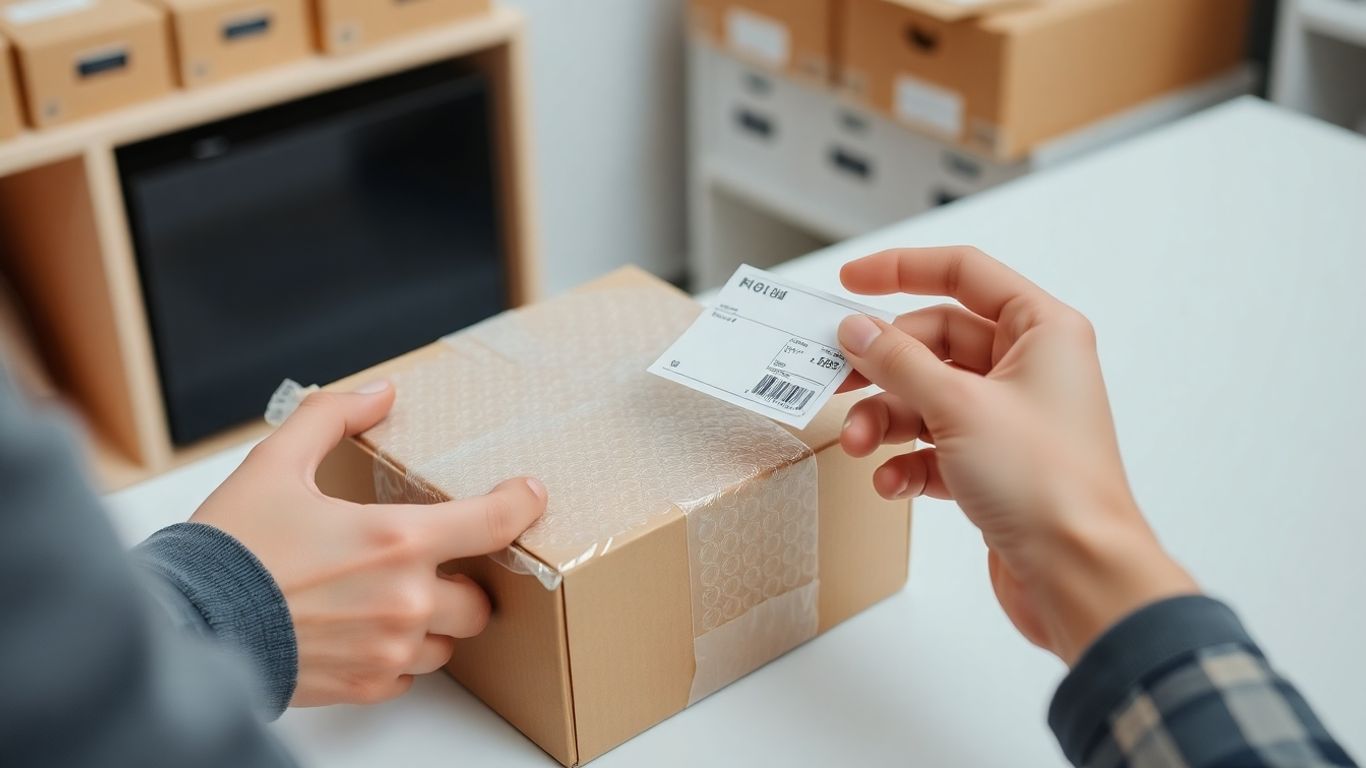
Okay, so you’ve got sales rolling in – awesome! But now comes the part that can make or break your business: actually getting those products to your customers and keeping them happy. This isn’t just about shipping stuff out; it’s about building trust and making people want to buy from you again. Getting this right means repeat customers and good reviews, which is gold.
Streamlining Your Order Fulfillment Process
When an order comes in, it’s go time. Since you’re dropshipping, you don’t physically handle the product. Your job is to pass the order details to your supplier quickly and accurately. Think of yourself as the middleman, but a really efficient one.
Here’s a basic rundown of how it usually works:
- Customer Places Order: They buy something from your online store.
- You Receive Payment: The money hits your account.
- You Forward Order to Supplier: You send the customer’s shipping info and product details to your dropshipping supplier. Many platforms can automate this, which is a lifesaver.
- Supplier Ships Product: The supplier packs and sends the item directly to your customer.
- You Get Tracking Info: The supplier gives you a tracking number, which you then pass on to your customer.
Speed is key here. The faster you can get the order to your supplier, the sooner your customer gets their item. This means fewer ‘where’s my order?’ emails for you to deal with.
Handling Returns And Refunds Gracefully
Returns happen. It’s just a fact of online selling. Some customers will change their minds, some items might be damaged, or maybe the wrong thing was sent. How you handle these situations really shows your business’s character.
First, you need a clear returns policy. Make sure it’s easy for customers to find on your website. It should cover:
- Timeframe: How long do customers have to return an item?
- Conditions: What state does the item need to be in? (e.g., original packaging, unused).
- Reasons for Return: What reasons are acceptable? (e.g., defective, wrong item, buyer’s remorse).
- Process: How do they start a return?
When a customer wants to return something, you’ll likely need to coordinate with your supplier. They often have their own return procedures. You’ll need to figure out who pays for return shipping – this often depends on the reason for the return and your supplier’s policy. Sometimes, it’s cheaper for you to just refund the customer and let them keep the item, especially if it’s a low-cost product and the return shipping is high.
Providing Excellent Customer Support
Think of customer support as your chance to shine. Even if something goes wrong, a friendly, helpful response can turn a frustrated customer into a loyal one. Being responsive and empathetic goes a long way.
Here are some tips:
- Be Quick: Aim to respond to inquiries within 24 hours, ideally sooner. Use canned responses for common questions, but always personalize them.
- Be Clear: Explain things simply. Avoid technical terms or confusing language.
- Be Polite: Even if the customer is upset, stay calm and professional. A little kindness can de-escalate a situation fast.
- Be Honest: If there’s a delay or an issue, let the customer know. Transparency builds trust.
Your goal is to make the customer feel heard and valued. This means answering questions about products, shipping, returns, or anything else they might throw at you. A good support system can be a huge differentiator in the crowded online marketplace.
Scaling Your Dropshipping Business
So, you’ve got your dropshipping store up and running, sales are coming in, and things are looking good. That’s awesome! But what’s next? You don’t want to just stay put, right? It’s time to think about growing. Scaling means making your business bigger and more profitable without everything becoming a total headache. The goal is to increase revenue while keeping your costs in check.
Analyzing Your Performance Metrics
Before you can grow, you gotta know where you stand. Looking at your numbers is super important. It tells you what’s working and what’s not. You don’t want to throw money at something that isn’t paying off.
Here are some key things to keep an eye on:
- Website Traffic: How many people are visiting your store? Where are they coming from?
- Conversion Rate: What percentage of visitors actually buy something?
- Average Order Value (AOV): How much do customers spend on average per order?
- Customer Acquisition Cost (CAC): How much does it cost you to get a new customer?
- Customer Lifetime Value (CLV): How much revenue does a customer bring in over their entire relationship with your store?
Knowing these will help you make smart decisions about where to put your effort and your cash.
Expanding Your Product Catalog
Once you’ve got a good handle on what’s selling, you can start thinking about adding more stuff. But don’t just add random products. Think about what makes sense for your current customers and your niche.
- Complementary Products: If you sell coffee makers, maybe add coffee beans, filters, or mugs.
- Related Niches: If you’re in the pet niche, maybe expand into pet grooming supplies or specialized pet food.
- Trend Spotting: Keep an eye on what’s popular, but make sure it fits your brand.
Adding new products can bring in new customers and get existing ones to buy more. Just make sure you’re still vetting your suppliers for these new items!
Automating Key Business Processes
As you get busier, doing everything manually will start to slow you down. Automation is your best friend here. It frees up your time so you can focus on the bigger picture stuff, like marketing and strategy.
What can you automate?
- Order Fulfillment: Many platforms and apps can automatically send order details to your suppliers.
- Email Marketing: Set up automated emails for abandoned carts, welcome sequences, and post-purchase follow-ups.
- Customer Service: Use chatbots for common questions or set up canned responses for frequent inquiries.
- Inventory Syncing: Tools can help keep your stock levels updated across different platforms.
Automating tasks isn’t about replacing human interaction entirely, but about handling the repetitive, time-consuming jobs so you can focus on the parts of the business that really need your personal touch, like building relationships with customers and finding new growth opportunities. It’s about working smarter, not just harder.
Scaling isn’t a one-time thing; it’s an ongoing process. Keep learning, keep testing, and don’t be afraid to invest in tools and strategies that help you grow.
Ready to take your online store to the next level? Growing your dropshipping business is totally achievable with the right steps. We’ll show you how to expand your reach and boost your sales. Want to learn the secrets to scaling up? Visit our website today for expert tips and strategies!
So, Ready to Start Your Dropshipping Adventure?
Alright, so we’ve gone over the basics of getting your dropshipping store off the ground. It might seem like a lot at first, with picking products and setting up your site. But honestly, it’s totally doable. Just take it one step at a time. Don’t expect to get rich overnight – that’s not how this works. It takes work, and you’ll probably make some mistakes along the way. That’s okay, though. Learn from them, keep trying, and you’ll figure it out. The most important thing is just to get started. Pick a niche, find a supplier, and launch that store. You’ve got this!
Frequently Asked Questions
What's the main idea behind dropshipping?
Dropshipping is a cool way to sell stuff online without actually keeping any of it in stock. When someone buys something from your store, you just tell a supplier, and they ship it straight to the customer. You never have to touch the product!
Is dropshipping hard for someone just starting out?
Nope, it’s actually pretty beginner-friendly! You don’t need a lot of money to begin because you’re not buying tons of inventory upfront. Plus, you don’t have to worry about packing and shipping orders yourself.
Do I need to pick a special kind of product to sell?
Yes, finding a good niche is super important. Think about things you’re interested in or problems people have that your product can solve. It’s better to focus on a specific group of items rather than trying to sell everything.
Where do I find people to supply my products?
You can find suppliers on special websites created for dropshipping, like AliExpress, SaleHoo, or Worldwide Brands. It’s a good idea to check out a few different ones to see who has good quality products and ships on time.
How do I make my online store look good and easy to use?
You’ll want to pick an easy-to-use website builder, like Shopify or WooCommerce. Make sure your store looks nice, has clear pictures of your products, and makes it simple for customers to find what they want and buy it.
How much should I charge for my products?
First, figure out all your costs – the price of the item, shipping, website fees, and any ads you run. Then, add a bit extra to make a profit. Look at what similar items are selling for, too, so your price makes sense.
How will people find my store and buy things?
You can use social media, like Instagram or Facebook, to show off your products. Running ads can also help get more visitors. Writing helpful blog posts about your products or niche can attract customers too.
What happens if a customer wants to return something?
You’ll need a clear plan for returns. Usually, you’ll work with your supplier to handle the return. It’s important to be polite and helpful to your customers, even when there’s a problem, so they keep coming back.