
Key Takeaways
This article reviews how modern logistics structures support independent entrepreneurs. Key insights include:
- The Global Dropshipping Product system enables automated supply chain operations for distributors.
- Centralized fulfillment models remove the need for individual inventory warehousing.
- Real-time tracking and data integration ensure transparency across global markets.
- Direct selling frameworks integrated with dropshipping create efficient sales environments.
- Standardizing customer experiences builds brand loyalty in diverse international sectors.
Understanding the global dropshipping product system

The digital landscape has fundamentally altered how goods reach end users by shifting traditional reliance on local stocks. Integrating a Global Dropshipping Product system allows for a leaner business operation by outsourcing the physical distribution of goods to centralized hubs. This shift allows distributors to focus exclusively on customer engagement rather than the complexities of packaging and shipment.
Definition and core concepts
At its base, this model treats product fulfillment as a separate layer from the retail interaction. When a consumer initiates a purchase, the order data routes directly to a supplier who handles the distribution process without the retailer ever touching the physical units. This separation defines the core efficiency of modern logistics.
The evolution of traditional direct selling
Direct selling has moved beyond face-to-face inventory management toward digital-first models. By removing the requirement for physical retail storage, distributors can operate across borders without the typical friction found in regional supply chain management. This transition marks a significant leap for the network marketing industry.
Aligning digital infrastructure with physical fulfillment
Seamless operations rely on perfect synchronization between the virtual storefront and actual warehouse activity. When digital systems track orders in real-time, the gap between a sale and delivery shrinks significantly. This technical alignment is essential for maintaining trust in a globalized sales environment.
The mechanics of bHIP's fulfillment model
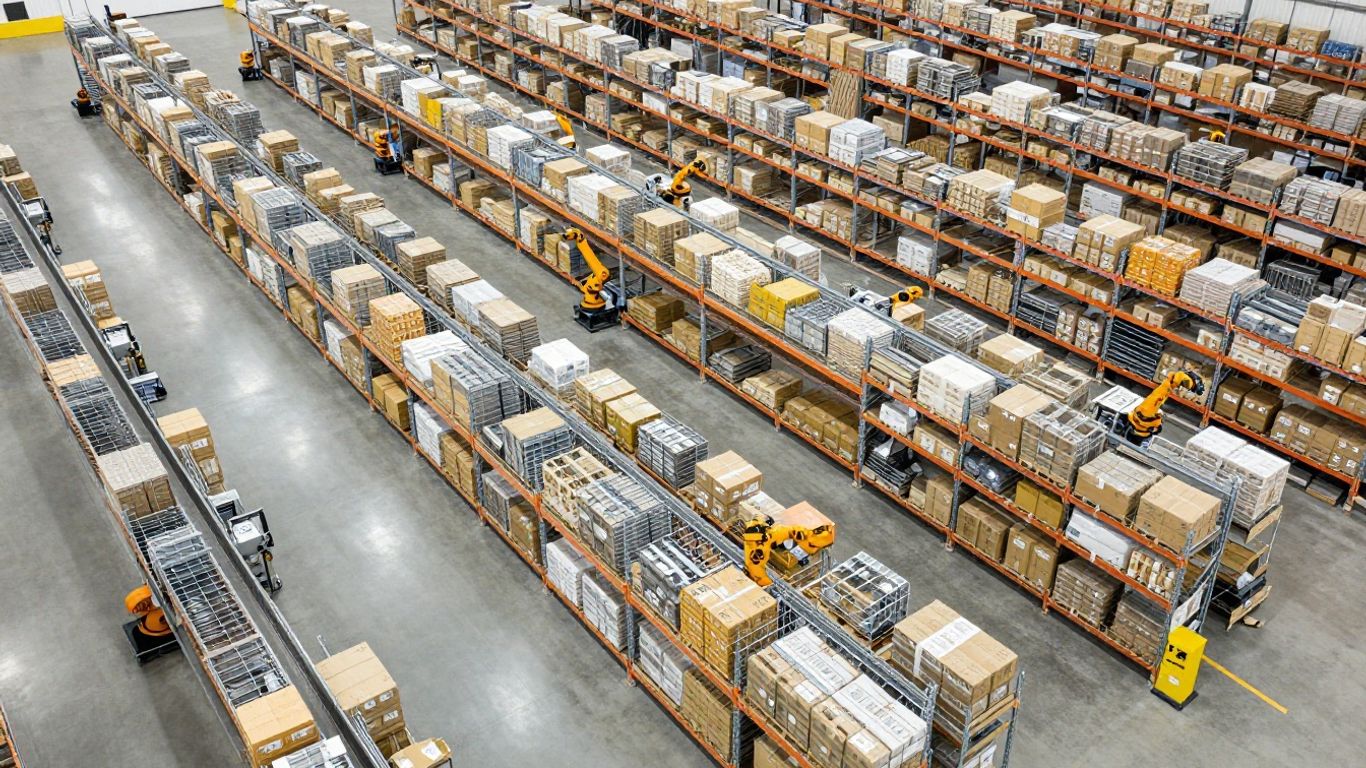
Operational efficiency in bHIP relies on automated routing that connects consumer orders directly to regional fulfillment centers. By delegating the heavy lifting of logistics, these systems ensure that inventory stays where demand effectively dictates. This centralized approach stabilizes distribution times regardless of the scale of the operation.
Order processing and automated logistics
Orders undergo instant validation once placed, triggering immediate pick-and-pack sequences at the supplying hub. Automation eliminates manual data entry, reducing human error that often plagues older shipping models. Each transaction is treated as an independent event that moves from entry to transit within hours.
Partnering with regional distribution hubs
By localized supply chains, bHIP works through established distribution networks to place products closer to the end consumer. These hubs provide regional knowledge that helps navigate local shipping nuances. This physical presence reduces the total distance traveled by an item after purchase.
Inventory management at the supplier level
Inventory control remains strictly handled by the supplying manufacturing points rather than the individual distributor. This centralizes stock data, ensuring that sales only occur when items are confirmed as available. Real-time updates help balance supply against global demand trends effectively.
Benefits for independent distributors

Removing the logistical burden of holding stock allows independent distributors to prioritize their business growth without high overheads. Capital that would typically be tied up in physical merchandise is instead redirected toward marketing or customer relationship building. Scalability becomes a reality when the infrastructure for delivery is already pre-built and functional globally.
Minimizing overhead and capital risk
The most immediate advantage is the reduction in startup costs associated with large-scale inventory purchases. Distributors only deal with the sale, bypassing the risks of stock spoilage or unsold goods sitting in storage. This lowers the barrier to entry significantly for new participants.
Standardizing global customer experience
Consistency is key in maintaining brand reputation as you expand into new international regions. By utilizing a uniform fulfillment standard, every customer receives a consistent level of service regardless of their location. This reliability creates a foundational expectation that fuels long-term loyalty.
Enhancing scalability in diverse markets
Systems built for global logistics are inherently designed to grow. When you want to enter a new market, you do not need to establish a local warehouse base because the logistics infrastructure is already in place. This allows for rapid market expansion and testing new demographics cost-effectively.
Overcoming logistical barriers in international markets
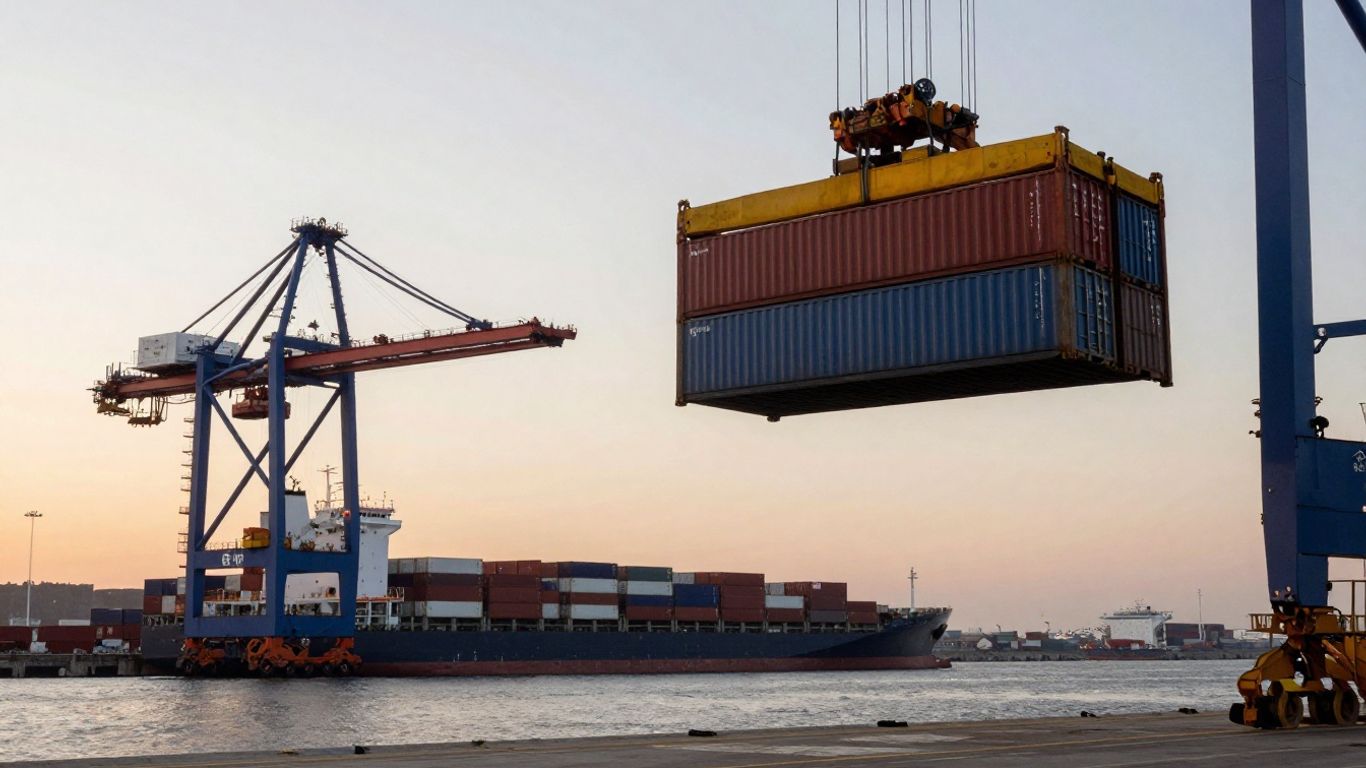
Crossing borders involves navigating complex duty and regulatory frameworks that often deter regional business growth. By adopting advanced fulfillment strategies, distributors can rely on expert partners to handle the complex documentation required for international transit. Improving transit speed and managing local customer expectations in different time zones requires a sophisticated, global tech stack.
Simplifying complex customs and legal regulations
Each country presents unique import requirements that can create delays for standard shipments. Centralized logistics teams manage these declarations at scale, ensuring correct labeling and clearance. This mitigates the risk of hold-ups at borders, which is a major pain point for smaller retail operations.
Improving delivery times for international customers
Even across large distances, modern logistics can match the delivery expectations of faster, local retail. Strategically placed nodes in the distribution network allow for shorter transit routes from hubs to the doorstep. The resulting efficiency makes international commerce feel as seamless as a local transaction.
Managing localized demand across continents
Predicting demand in markets you rarely visit is notoriously difficult. Aggregated data allows for smarter stock allocation, where high-demand regions maintain higher inventory levels proactively. This visibility ensures that the right products exist in the right places, minimizing the need for expensive inter-continental shipping.
Technology enabling the global dropshipping product system
Robust tracking tools act as the nervous system for a successful network of independent sellers. Visibility into the supply chain empowers distributors to provide accurate updates to their customers without confusion. Data analytics serve as a powerful tool for forecasting, turning unpredictable demand into structured inventory plans.
Real-time tracking and supply chain visibility
Every package receives a digital footprint that updates as it moves through various transit stages. Sellers can instantly communicate the status of an order, which builds confidence and reduces inquiries. Transparency transforms potential bottlenecks into managed processes.
Integration with ecommerce storefronts
Direct digital links between a storefront and the shipping provider automate the entire lifecycle of a transaction. Once start your business endeavors, this automated bridge clears the path for seamless sales operations right from the moment a button is clicked. Such technology allows bHIP to keep storefronts lean.
Utilizing data for inventory forecasting
Algorithmic analysis of sales history reveals trends that inform inventory purchasing well in advance. Predicting shortages before they occur allows for proactive stock management across all active regions. Data acts as a buffer against volatility, keeping the system stable.
Comparing bHIP's model to standard dropshipping
The structural difference between a standard retail dropshipper and the bHIP direct selling model lies in the integration of customer networks. Where typical retail focuses on transactional sales, this model emphasizes the health and wellness community aspects of the bHIP products. Quality control and compliance remain centralized, providing a safety net for distributors that standard platforms often lack.
Direct selling versus third-party retail fulfillment
Standard dropshipping is often purely an arbitrage play, moving cheap goods from a market. In contrast, this model integrates professional business development within a network. This creates a lasting impact that simple retail transactions fail to provide.
Regulatory compliance in network marketing
Operating within network marketing requires detailed adherence to international laws to ensure that the compensation and product distribution operate fairly. Centralized control of the logistics and distribution chain ensures that compliance remains consistent across all territories. This is a deliberate design choice that protects the entire organization.
Quality control and brand consistency
Brand integrity suffers if the customer experience varies wildly between regions. By strictly managing the supply chain and quality control centrally, the organization ensures each customer receives identical product experiences. This prevents the degradation of brand value that often occurs when many vendors supply a single product line.
Conclusion
Operating in a global marketplace has reached a point where sophisticated logistical support is no longer an optional luxury for distributors, but a required standard. Through integrated fulfillment and smart digital tools, network marketing participants can now focus their energy on building long-term value and community connections rather than managing the complexities of shipping, customs, or cross-border inventory. As we look at the trajectory of global trade, these systems represent a necessary evolution for scaling health and wellness opportunities sustainably across diverse international borders.
Frequently Asked Questions
How does dropshipping lower the cost of starting a business?
It removes the need to purchase large amounts of inventory upfront or rent warehouse space, which are typically the most significant startup expenses. You can instead allocate those funds toward growing your own customer base.
Are international shipments usually slower than local ones?
While distance can naturally increase delivery time, modern distribution hubs and smart inventory routing have significantly narrowed the gap. Utilizing regional hubs helps ensure that products reach global customers with predictable speeds.
Does this model change how I talk to my customers?
It allows you to spend more time on providing guidance and support rather than dealing with the administrative headaches of warehousing. You can focus on sharing the value of the products directly with your community.
Is real-time tracking available for every order?
Yes, modern logistics platforms provide digital tracking for almost all shipments, allowing both you and your customer to see the progress of an order from the hub to their door.
Why is central inventory management important?
It prevents the issue of selling items that are out of stock. Because the supplier manages the inventory data, the catalog stays updated with currently available items, preventing unnecessary order cancellations.
Can I sell in multiple countries at the same time?
This model is designed for exactly that. Because you do not need local warehouses to support your sales, you can present your business opportunity and products in any market supported by the global fulfillment network.
What happens if a customer wants a return?
Most established fulfillment models include clear processes for handling returns that are managed through the central hub. This keeps the process professional and uniform, protecting the reputation of the distributor and the brand.
Start Your Future
Take the next step in your entrepreneurial journey by aligning with a system designed for modern scale and success. Explore the range of available opportunities and discover how you can begin building your business effectively today.