
Finding the right ecommerce suppliers can feel like a big puzzle. You’ve got products to sell, but where do you get them from? It’s not always straightforward. This guide is here to help you figure out the best ways to find people who can supply your business, how to check if they’re good to work with, and what to talk about when you first connect. We’ll cover everything from understanding what you need to keeping your stock in check and handling any bumps in the road. Let’s get your ecommerce business the supplies it needs.
Key Takeaways
- Know exactly what kind of products you’re selling and how many you’ll need before you start looking for ecommerce suppliers.
- Look for suppliers in a few different places, like online lists, industry events, or even by asking other business owners.
- Always check out a potential supplier’s history and ask about how they handle making and shipping orders.
- Don’t be afraid to ask direct questions about minimum orders, how you pay, and what happens if you need to return something.
- Building a good relationship with your ecommerce suppliers through clear talking and paying on time makes everything run smoother.
Understanding Your Ecommerce Supplier Needs
Before you even start looking for suppliers, you gotta figure out what you actually need. It sounds obvious, right? But seriously, a lot of people skip this part and end up with suppliers who just aren’t a good fit. This can lead to all sorts of headaches down the road, like products that don’t sell or costs that eat up all your profit.
What Kind Of Products Are You Selling?
This is the big one. Are you selling handmade jewelry, custom t-shirts, electronics, or maybe something totally unique? The type of product really changes who your best supplier options are. For example, if you’re selling something super niche, you might need to find a specialized manufacturer. If you’re selling common items, you’ll have more options with wholesalers.
- Handmade/Artisan Goods: Look for individual crafters or small workshops. You might even be the one making them!
- Apparel/Fashion: Consider manufacturers who specialize in clothing, or large wholesalers with a wide selection.
- Electronics: This often means dealing with larger manufacturers or authorized distributors. Quality and authenticity are super important here.
- Home Goods/Decor: You’ll find a lot of options with wholesalers and even some dropshipping suppliers.
How Much Inventory Do You Need?
Think about how much you expect to sell, especially when you’re just starting out. You don’t want to order a million units of something that might not move. On the flip side, running out of stock is a killer for any ecommerce business. It’s all about finding that sweet spot.
- Low Volume (Startup): Start with smaller orders to test the waters. This keeps your initial investment low.
- Medium Volume (Growing): As sales pick up, you’ll need to increase order sizes to meet demand and potentially get better pricing.
- High Volume (Established): You’ll be working with suppliers who can handle large, consistent orders and might even have dedicated production lines for you.
What's Your Budget For Sourcing?
Money talks, always. You need to know how much you can realistically spend on buying your products. This isn’t just about the price per item; it includes shipping, potential import duties, and any other fees. Your budget will heavily influence the type of supplier you can work with. A tiny budget might mean starting with dropshipping or very small wholesale orders, while a bigger budget opens doors to custom manufacturing.
Knowing your budget upfront helps you filter suppliers quickly. It prevents you from wasting time talking to companies that are way out of your price range or can’t meet your financial needs.
Here’s a quick way to think about it:
- Calculate your total available capital for inventory.
- Estimate your desired profit margin per item.
- Work backward to see what you can afford to pay your supplier.
Where To Find Potential Ecommerce Suppliers
Okay, so you’ve figured out what you need in a supplier. Now comes the fun part: actually finding them! It might seem a bit daunting at first, but there are a bunch of solid places to look. Don’t just settle for the first one you find; do a little digging.
Online Directories And Marketplaces
This is probably the easiest place to start. Think of these as giant online malls specifically for businesses looking for products. You can find pretty much anything here.
- Alibaba/AliExpress: The big kahuna for sourcing from China. Great for finding manufacturers and wholesalers, but be ready to sift through a lot of options. AliExpress is more for smaller quantities, kind of like a wholesale eBay.
- ThomasNet: If you’re looking for suppliers in North America, this is a go-to. It’s more focused on industrial and manufacturing suppliers, so it’s good if you’re selling something a bit more specialized.
- Wholesale Central: A decent spot for finding wholesalers and distributors across various industries. They often have trade show listings too.
- SaleHoo: This is a paid directory, but it’s known for having vetted suppliers, which can save you a lot of headaches down the line. They also have a dropshipping directory.
Trade Shows And Industry Events
Going to trade shows can be a game-changer. You get to see products firsthand, meet the people behind the companies, and really get a feel for their operation. It’s a more personal way to connect.
- What to expect: Booths from tons of companies, new product launches, and lots of networking opportunities. You can often get samples and special show pricing.
- Finding them: Search online for ‘[Your Industry] trade show’ or check out industry association websites. Some popular ones include ASD Market Week (general merchandise) or the Consumer Electronics Show (CES) if you’re in tech.
- Pro tip: Go with a plan. Know which companies you want to visit and what questions you want to ask. Bring plenty of business cards!
Referrals From Other Businesses
Sometimes, the best leads come from people you already know or trust. If you have friends or contacts in the ecommerce world, don’t be shy about asking for recommendations.
- Who to ask: Other online store owners (especially those selling similar, but not directly competing, products), business mentors, or even people you meet at networking events.
- Why it works: A referral means someone else has already done some vetting for you. They wouldn’t recommend someone if they had a bad experience.
Finding a good supplier isn’t just about price; it’s about reliability and building a partnership. A supplier who communicates well and delivers on time is worth their weight in gold, even if they aren’t the absolute cheapest option out there. Think long-term.
Vetting Your Ecommerce Supplier Prospects
Okay, so you’ve found a few potential suppliers. Awesome! But hold up, don’t just jump in and place a huge order. We need to do a little digging first. Think of it like a first date – you want to make sure they’re not going to ghost you or, worse, send you a terrible product.
Checking Their Reputation and Reviews
This is pretty straightforward. What are other people saying about this supplier? A quick Google search can tell you a lot. Look for reviews on their website, but also check independent review sites. If you see a lot of complaints about late shipments, poor quality, or bad customer service, that’s a big red flag. Sometimes, you might find a supplier with a few negative reviews, but if the overall picture is good and they seem to be addressing issues, it might be okay. It’s all about looking for patterns.
Assessing Their Production Capacity
Can this supplier actually handle your order, especially as you grow? If you’re just starting small, it might not be a huge deal. But if you’re planning on scaling up, you need a supplier who can keep up. Ask them about their typical order volume and if they have the resources to increase production if your demand spikes. It’s good to know if they have backup plans or multiple production lines. You don’t want to get stuck when your sales suddenly take off.
Understanding Their Shipping and Logistics
This is where things can get tricky. How do they ship? What are the costs involved? Do they offer tracking? If you’re dropshipping, how do they handle packaging? Do they use plain boxes, or will your brand name be plastered everywhere? Understanding their shipping process is key to managing customer expectations. You’ll want to get a clear picture of their lead times and delivery estimates. It’s also wise to ask about their process for handling damaged goods during transit. Getting a sample shipped to you is a great way to test this out before committing to larger orders. You can find some great tips on choosing the right products to sell, which ties into supplier capabilities.
Don’t underestimate the importance of clear shipping policies. It’s not just about getting the product to your customer; it’s about the entire experience. A supplier with a disorganized shipping department can quickly lead to unhappy customers and a damaged reputation for your brand.
Key Questions To Ask Potential Suppliers
So, you’ve found a few potential suppliers that look promising. That’s great! But before you get too excited and place a huge order, you need to ask some important questions. This isn’t just about getting a good price; it’s about making sure they can actually handle your business and won’t cause you a headache down the road. Think of this as your supplier screening process.
What Are Your Minimum Order Quantities?
This is a big one, especially when you’re just starting out. Some suppliers have really high MOQs (Minimum Order Quantities), meaning you have to buy a lot of stuff at once. If you’re a small operation or testing a new product, this can be a deal-breaker. You don’t want to be stuck with tons of inventory you can’t sell.
- For new businesses: Look for suppliers with low or no MOQs. Some might let you order just a few items to start.
- For growing businesses: See if MOQs decrease as your order size increases. This can be a good incentive.
- For established businesses: You might be able to negotiate higher MOQs for better pricing.
What Are Your Payment Terms?
How and when do you need to pay? This can really affect your cash flow. Some suppliers want payment upfront, others might give you a grace period. It’s good to know this early on.
- Upfront Payment: You pay the full amount before they make or ship anything. Common with new suppliers or custom orders.
- Deposit + Balance: You pay a percentage upfront (like 30-50%) and the rest when the order is ready or shipped.
- Net Terms (e.g., Net 30): You receive the goods and have a set number of days (like 30) to pay the invoice. This is usually for established businesses with a good track record.
Understanding payment terms is super important for managing your money. Getting it wrong can lead to delays or even strain your relationship with the supplier.
What Is Your Return Policy?
Stuff happens. Products can be damaged in transit, or maybe there’s a defect. What happens then? You need to know how the supplier handles returns, exchanges, or refunds. A good return policy can save you a lot of hassle and money.
- Defective Items: How do they handle products that are faulty? Do they offer replacements or refunds?
- Shipping Errors: What if they send you the wrong item or quantity?
- Restocking Fees: Some suppliers charge a fee if you return perfectly good items, which is something to watch out for.
Asking these questions upfront helps you avoid nasty surprises and build a solid foundation with your suppliers. It’s all about being prepared!
Evaluating Supplier Pricing And Costs

Okay, so you’ve found some potential suppliers. That’s great! But before you get too excited, we need to talk about the money part. Getting the best price isn’t just about finding the cheapest option; it’s about finding the best value. This means looking at the whole picture, not just the sticker price.
Comparing Unit Prices
This is the most obvious place to start. You’ll want to get quotes from a few different suppliers for the exact same product. Make sure you’re comparing apples to apples here. Ask for the price per unit, and don’t forget to factor in any setup fees or initial costs.
Factoring In Shipping And Handling
Don’t let shipping costs sneak up on you! Sometimes a supplier might have a lower unit price, but their shipping fees can make the total cost much higher. Ask for detailed shipping quotes to your location. Consider:
- Shipping methods: Are they using ground, air, or sea freight?
- Delivery times: How long will it take to get your products?
- Handling fees: Are there extra charges for packaging or preparing the shipment?
- Insurance: Is the shipment insured against damage or loss?
Looking For Bulk Discounts
Most suppliers offer better prices if you buy in larger quantities. This is where you can really save some money. Figure out what your typical order size is and see what kind of discounts are available. Sometimes, ordering just a little bit more can significantly drop your per-unit cost. It’s a balancing act, though – you don’t want to overbuy and tie up too much cash.
Remember, the lowest price isn’t always the best deal. You need to consider the quality of the product, the reliability of the supplier, and the total cost from start to finish. A slightly higher price from a dependable supplier might save you a lot of headaches down the road.
Here’s a quick way to compare:
| Supplier | Unit Price | Shipping Cost (per unit) | Total Cost (per unit) |
|---|---|---|---|
| A | $5.00 | $1.50 | $6.50 |
| B | $5.25 | $1.00 | $6.25 |
| C | $4.75 | $2.00 | $6.75 |
In this example, Supplier B looks like the winner based on total cost per unit, even though their unit price isn’t the lowest.
Building A Strong Supplier Relationship

Clear Communication Is Key
Look, finding a supplier is one thing, but keeping them happy and working smoothly with you? That takes effort. It all starts with talking. Don’t just send a quick email and expect them to read your mind. Be clear about what you need, when you need it, and any changes that might come up. If you’re going to be late on a payment, tell them before it’s late. If a product isn’t selling as well as you thought, let them know. Open lines of communication prevent a lot of headaches down the road. It’s like any relationship, really – you’ve got to put in the work.
Paying On Time
This one seems obvious, but you’d be surprised how many businesses mess this up. Paying your suppliers when you say you will is a big deal. It shows you’re reliable and that you respect their business. It builds trust. If you’re consistently late, they might start prioritizing other customers, or worse, stop working with you altogether. Think about it from their side – they have their own costs and cash flow to manage. Being a good customer means being a prompt payer.
Providing Feedback
Don’t just sit on your opinions. If a supplier is doing a great job, tell them! A little positive reinforcement goes a long way. It lets them know what’s working and encourages them to keep it up. On the flip side, if something isn’t right – maybe a product detail is off, or shipping took longer than expected – give them constructive feedback. Don’t just complain; explain the issue and suggest a solution if you can. This helps them improve and shows you’re invested in a mutually beneficial partnership. It’s not about finding fault; it’s about making things better for both of you.
Building a solid relationship with your suppliers isn’t just about getting good prices. It’s about creating a partnership where both sides feel respected and valued. This kind of relationship can lead to better service, more flexibility, and even preferential treatment when things get tight.
Managing Your Ecommerce Supplier Inventory
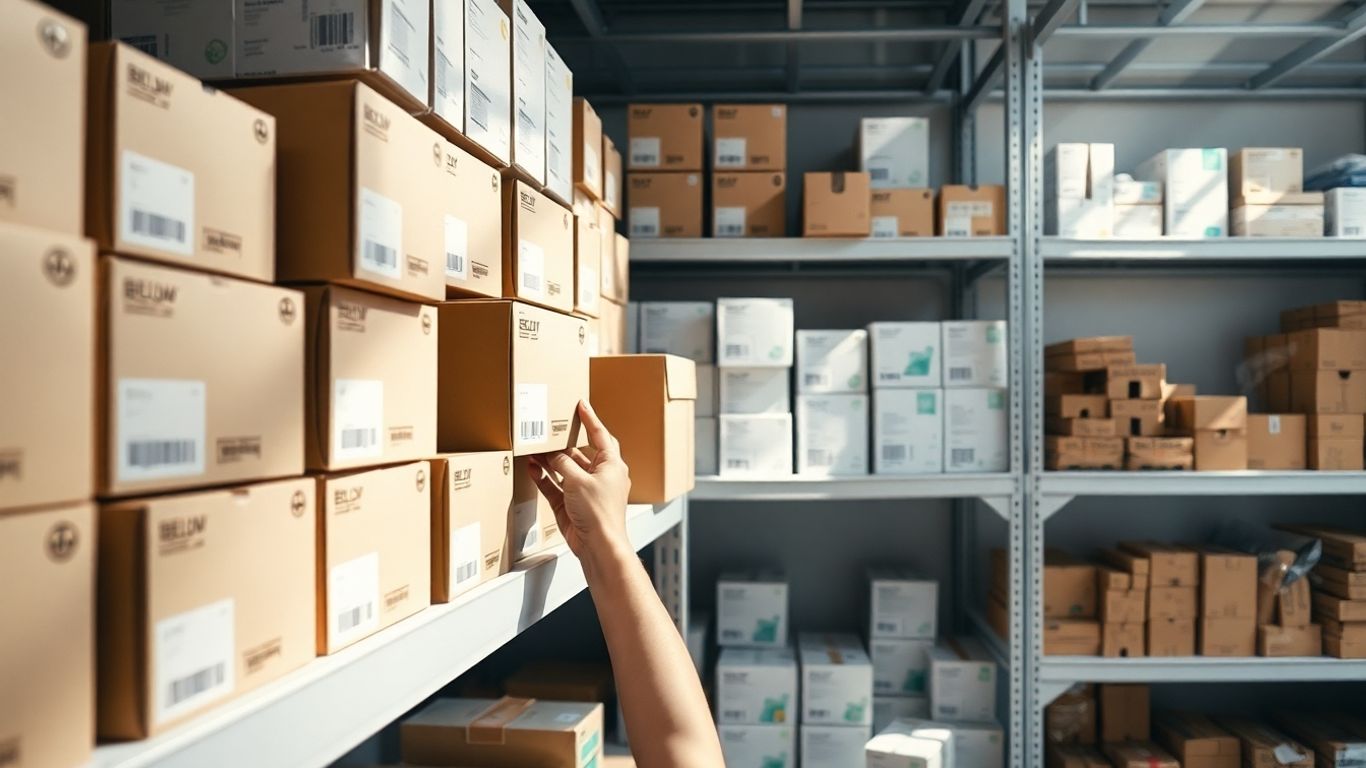
Okay, so you’ve found some great suppliers, and you’re ready to start selling. Awesome! But here’s the thing: if you don’t keep a good handle on your inventory, you’re going to run into problems. Like, big problems. Running out of stock when people want to buy your stuff is a bummer, and having way too much sitting around isn’t great for your wallet either. It’s all about finding that sweet spot.
Tracking Stock Levels
This is the bedrock of not messing up your inventory. You gotta know what you have, where it is, and how much of it. If you’re just starting out, a simple spreadsheet might do the trick. But as you grow, you’ll want to look into inventory management software. These tools can connect to your sales channels and update stock counts automatically. It saves a ton of headaches, trust me.
- Manual Tracking: Good for very small businesses, but prone to errors.
- Spreadsheets: Better than nothing, but still requires manual input.
- Inventory Management Software: The way to go for most growing businesses. It automates a lot of the tedious work.
Forecasting Demand
This is where you try to guess what’s going to sell and when. It’s not an exact science, but it’s super important. Look at your past sales data. What sold well last month? Last year? Are there seasonal trends? Think about upcoming holidays or marketing campaigns you’re planning. All this info helps you predict what you’ll need.
Trying to guess demand without looking at your history is like trying to drive with your eyes closed. You might get somewhere, but it’s probably not going to be pretty.
Avoiding Stockouts
Stockouts are the enemy. They mean lost sales and unhappy customers. To avoid them, you need to set reorder points. This is basically a minimum stock level that triggers you to order more from your supplier. Make sure you factor in the lead time – how long it takes for your supplier to get the product to you. If it takes two weeks to get more widgets, you need to order them before you run out of your current stock.
Here’s a quick way to think about it:
- Know your lead time: How long does it take from ordering to receiving?
- Set a safety stock: A little extra buffer just in case.
- Calculate your reorder point: Lead time + safety stock = when you need to order.
Getting this right takes practice, but it’s worth the effort. Your customers (and your bank account) will thank you.
Dealing With Supplier Issues And Challenges
Okay, so you’ve found some great suppliers, things are running smoothly, and then BAM! Something goes wrong. It happens. Even the best relationships hit a snag now and then. The trick isn’t avoiding problems altogether – that’s pretty much impossible – but knowing how to handle them when they pop up. Being prepared makes a huge difference.
Quality Control Problems
This is a big one. You get a shipment, and the products aren’t up to snuff. Maybe the stitching is off, the color is wrong, or they’re just plain broken. First, don’t panic. Document everything. Take clear photos or videos of the defects. Then, reach out to your supplier immediately. Most reputable suppliers will want to fix this. They might offer a refund, a replacement, or a discount on your next order. It really depends on the severity and your agreement. You might need to send back the faulty goods, so check your contract.
Late Deliveries
Waiting for inventory that doesn’t show up is stressful. It can mess with your own shipping promises to customers. When you see a delivery date slipping, contact your supplier before it’s officially late. Ask for an update and an explanation. Sometimes it’s a simple shipping delay, other times it might be a production issue. If this becomes a pattern, you might need to look at diversifying your supplier options or building in more buffer time for future orders. It’s also worth discussing penalties for late deliveries in your contract if it’s a recurring problem.
Price Increases
Nobody likes seeing prices go up unexpectedly. Suppliers might need to adjust their prices due to rising material costs or other factors. When this happens, ask for a clear breakdown of why the price is increasing. If it’s a significant jump, see if there’s any room for negotiation, especially if you’re a loyal customer. You could also explore if buying in larger quantities might offset the increase, or if there are alternative products that might work.
It’s always a good idea to have a backup supplier in mind, even if you’re happy with your current one. This gives you options if things go south or if you need to scale up quickly. Having a second source can save you a lot of headaches down the line.
Here are some steps to take when issues arise:
- Document Everything: Keep records of all communication, photos, and order details.
- Communicate Clearly: Be polite but firm when explaining the problem.
- Refer to Your Agreement: Check your contract for terms related to quality, shipping, and returns.
- Seek Resolution: Work with your supplier to find a fair solution.
- Evaluate Long-Term: If problems persist, consider finding a new supplier.
Exploring Different Types Of Ecommerce Suppliers
So, you’re ready to find someone to actually make or sell the stuff you want to put on your online store. Cool. But not all suppliers are created equal, and knowing the differences can save you a ton of headaches. It’s like picking the right tool for the job – you wouldn’t use a hammer to screw in a lightbulb, right?
Manufacturers
These are the folks who actually make the products. If you’re looking to put your own brand on something or need a really specific item, going straight to the manufacturer is often the way to go. It can mean lower prices per unit because you’re cutting out the middlemen. The catch? They usually want you to buy a lot of stuff at once, so your upfront investment can be pretty big. You’ll also need to be super clear about your designs and quality standards.
Wholesalers
Wholesalers buy products in bulk from manufacturers and then sell them in smaller quantities to retailers like you. Think of them as the guys who have a big warehouse full of popular items. This is a good option if you want to sell established brands or a variety of products without committing to huge orders. You can often find wholesalers through online directories or by attending trade shows. They’re a solid choice for getting started, especially if you’re not ready for the big commitment of dealing directly with a manufacturer. You can find many options when you start researching suppliers.
Dropshippers
Dropshipping is a bit different. With this model, you don’t actually hold any inventory yourself. When a customer buys something from your store, you pass the order along to your dropshipping supplier, and they ship it directly to the customer. This is super low-risk because you don’t have to buy stock upfront. It’s great for testing out new products or niches. However, your profit margins might be smaller, and you have less control over the shipping and packaging experience. You’re essentially relying on your dropshipper to make a good impression on your customer.
Here’s a quick rundown:
- Manufacturers: Best for custom products, private labeling, and potentially the lowest unit costs, but require large minimum orders.
- Wholesalers: Good for selling existing brands, offer variety, and have smaller order minimums than manufacturers.
- Dropshippers: Lowest risk, no inventory needed, but typically lower profit margins and less control over fulfillment.
Choosing the right type of supplier really depends on your business model, your budget, and how much control you want over your products and inventory. Don’t just pick the first one you find; think about what fits your goals best.
Negotiating Terms With Your Ecommerce Suppliers
Okay, so you’ve found some potential suppliers, and they seem pretty good. Now comes the part where you actually talk turkey and figure out the nitty-gritty details. This isn’t just about getting the lowest price; it’s about setting up a working relationship that benefits both you and the supplier. Getting the terms right from the start can save you a lot of headaches down the road.
Discussing Pricing
This is usually the first thing on everyone’s mind. You want the best price possible, and they want to make a profit. It’s a balance. Don’t just accept the first quote they give you. Do your homework and see what others are charging for similar items. If you’re planning on buying in larger quantities, definitely ask about bulk discounts. Sometimes, a supplier might not offer a lower per-unit price, but they could throw in free shipping or a small bonus item if you commit to a bigger order. It’s all about finding that sweet spot.
Here’s a quick look at how pricing might break down:
| Order Quantity | Unit Price | Notes |
|---|---|---|
| 1-50 | $10.00 | Standard price |
| 51-100 | $9.50 | 5% discount applied |
| 101+ | $9.00 | 10% discount applied, free shipping |
Setting Payment Schedules
Payment terms can really impact your cash flow. Some suppliers might want payment upfront, especially if you’re a new customer. Others might be willing to offer credit terms, like Net 30, which means you have 30 days to pay after you receive the invoice. This can be a lifesaver when you’re just starting out. Always clarify what their standard payment terms are and see if there’s any wiggle room. Paying on time, every time, is a great way to build trust and potentially get better terms in the future. You can find more info on managing your business finances at ecommerce supplier finance.
Clarifying Delivery Times
When can you expect your order? This is super important for keeping your own customers happy. Ask about their typical lead times – that’s the time from when you place an order to when it ships out. Also, inquire about shipping methods and estimated delivery times to your location. If you have a specific deadline, like for a holiday rush, make sure they can meet it. Sometimes, paying a bit extra for expedited shipping might be worth it to avoid stockouts. It’s better to know upfront if there might be delays so you can plan accordingly.
Don’t be afraid to ask questions. A good supplier will be transparent about their processes and happy to work with you to find solutions that fit your business needs. If they’re evasive or unwilling to discuss terms, that might be a red flag.
When you’re working with companies that supply your online store, it’s super important to talk about the details. Making sure you both agree on prices, how much you’ll order, and when things will arrive can save you a lot of headaches later. Good communication helps build a strong partnership. Want to learn more about making smart deals with your suppliers? Visit our website today!
So, What's the Takeaway?
Alright, so finding good suppliers for your online store can feel like a big puzzle sometimes. It’s not always easy, and you might hit a few bumps along the way. But stick with it! By doing your homework, asking the right questions, and not being afraid to walk away if something feels off, you’ll find folks who can really help your business grow. Remember, a solid supplier is like a good friend for your store – they’re there to help you succeed. Keep at it, and you’ll build a great network.
Frequently Asked Questions
What kind of stuff should I sell?
Think about what you’re good at or what people really want. It’s easier to sell things you know about or that are popular right now. Do some digging to see what’s trending!
How much stuff do I need to keep in stock?
This depends on how many customers you think you’ll have. Start with a reasonable amount. You don’t want too much sitting around, but you also don’t want to run out when people want to buy.
Where can I find people who sell products?
You can look online on special websites, go to trade shows where businesses show off their goods, or ask other store owners if they know anyone good.
How do I know if a supplier is good?
Check what other people say about them online. See if they can make enough stuff for you and how they plan to get it to your customers. Good planning is important.
What should I ask the people I might buy from?
Ask them how much they expect you to buy at once, how you need to pay them, and what happens if a customer wants to return something. Knowing these details avoids problems later.
How do I figure out if their prices are fair?
Compare the cost of one item from different sellers. Also, add in the cost of shipping and handling. Sometimes buying more can get you a better deal.
What if my supplier messes up or is late?
If the quality isn’t good or deliveries are delayed, talk to them right away. Be clear about what the problem is. Sometimes they might raise prices, so be ready to discuss that too.
What are the different ways to get products?
You can buy directly from the people who make the items (manufacturers), buy in large amounts from companies that buy from manufacturers (wholesalers), or have someone else ship directly to your customer when they order (dropshippers).