
Thinking about dropshipping from China? It’s a popular choice for a reason. You can find a lot of products and suppliers there. But getting your orders to customers smoothly, that’s the tricky part. This guide is all about making dropshipping fulfillment from China work for you. We’ll cover how to find good suppliers, ship items without too many headaches, and keep your customers happy. Let’s get your business running right.
Key Takeaways
- Picking the right suppliers in China is super important for good dropshipping fulfillment china. Take your time to check them out.
- Figure out the best shipping methods. Some are faster but cost more, others are cheaper but take longer. Know the trade-offs.
- Keep an eye on product quality. Nobody wants to send out bad stuff. Have a plan for when things go wrong.
- Returns can be a pain, especially when shipping from China. Make your policy clear and handle them as best you can.
- Using the right tools can make a big difference. Automation helps save time and reduces mistakes in your dropshipping fulfillment china process.
Navigating the World of Dropshipping Fulfillment from China
So, you’re thinking about dropshipping from China. It’s a big topic, and honestly, it can feel a bit overwhelming at first. But don’t worry, we’ll break it down. China has become a massive hub for online sellers, and for good reason. It’s where a lot of the world’s products get made, and that means access to a huge variety of goods at prices that are hard to beat.
Understanding the Chinese Dropshipping Landscape
When we talk about dropshipping from China, we’re really talking about tapping into a vast manufacturing and supply network. Think of it as a giant marketplace where you can find almost anything. However, it’s not just about finding cheap stuff. You need to understand how this system works, from finding suppliers to getting products to your customers. The key is to find reliable partners who can consistently deliver quality products. It’s a competitive space, and success in 2025 means being smart about your choices. You can read more about the evolving dropshipping landscape.
Why China is a Go-To for Dropshipping
Why all the fuss about China? Well, a few things make it stand out:
- Variety: Seriously, you can find almost any product imaginable. From electronics and fashion to home goods and niche items, the options are nearly endless.
- Cost: Generally, products sourced from China are more affordable. This allows for better profit margins, which is a big deal when you’re starting out.
- Manufacturing Power: China is the world’s factory. This means they have the infrastructure and capacity to produce goods in large quantities, making it easier to scale.
- Established Platforms: Sites like AliExpress, Alibaba, and others have made it simpler to connect with suppliers and even place orders.
Key Considerations Before You Start
Before you jump in headfirst, there are a few things to keep in mind. It’s not all smooth sailing, and being prepared makes a huge difference.
- Product Quality: Not everything made in China is top-notch. You’ll need a system to check quality.
- Shipping Times: Getting products from China to your customers can take time. Managing customer expectations about delivery is important.
- Communication: Language barriers and time differences can sometimes make communication tricky. Clear communication is vital.
- Returns: Handling returns from international customers adds complexity.
It’s easy to get excited about the low product costs, but don’t forget the other side of the coin. Shipping, potential quality issues, and customer service all add up. Thinking through these challenges early on will save you a lot of headaches later.
Finding Reliable Suppliers for Your Dropshipping Business
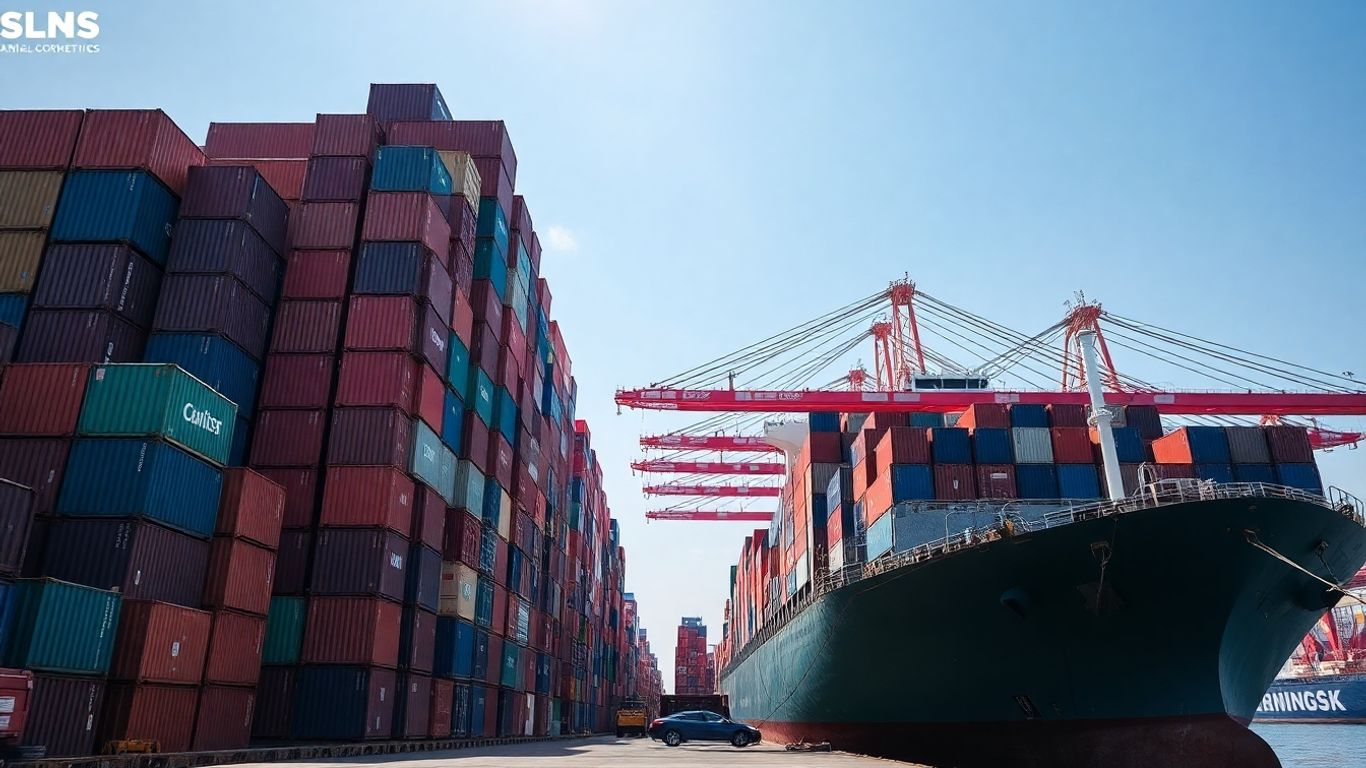
Okay, so you’ve decided China is the place to be for your dropshipping gig. Smart move, lots of options there. But here’s the thing: not all suppliers are created equal. Finding the right ones is like finding a needle in a haystack, but way more important for your business. Your supplier is basically your partner in this whole operation. Get it wrong, and you’ll be dealing with late shipments, bad quality, and unhappy customers. Nobody wants that.
Vetting Potential Chinese Suppliers
This is where you gotta do your homework. Don’t just pick the first name you see on a platform. You need to dig a little.
- Check their history: How long have they been around? Do they have good reviews on different sites?
- Ask for samples: Seriously, don’t skip this. Get a feel for the product quality yourself before you commit to selling it.
- Look at their communication: Are they quick to respond? Do they understand your questions, even with language differences?
- See if they have experience with dropshipping: Some suppliers are set up for wholesale, which is different. You want someone who gets the dropshipping model.
Building Strong Supplier Relationships
Once you find a few good candidates, it’s time to build a connection. Think of it like any other business relationship – the better you get along, the smoother things will run.
- Be clear about your needs: Tell them exactly what you expect regarding product quality, packaging, and shipping times.
- Pay on time: This sounds obvious, but it goes a long way. It shows you’re a serious business.
- Give them feedback: Let them know when things are going well and when there’s room for improvement. They can’t fix what they don’t know.
- Try to visit (if possible): If you ever have the chance to visit China, seeing their operation firsthand can build a lot of trust.
Communicating Effectively with Suppliers
Communication is key, especially when you’re working with suppliers across the globe. Language barriers can be a pain, but there are ways to make it work.
- Use clear, simple language: Avoid slang or complex sentences. Get straight to the point.
- Use visuals: If you’re talking about a product issue, send pictures or videos. It clears up a lot of confusion.
- Confirm everything in writing: After a phone call or chat, send a quick email summarizing what you discussed and agreed upon. This creates a record.
- Be patient: Things might take a little longer to explain or get a response. Take a deep breath and give them time.
Remember, your supplier is the backbone of your dropshipping business. Investing time and effort into finding and nurturing relationships with reliable ones will save you a ton of headaches down the road and is absolutely critical for long-term success. Don’t rush this part; it’s worth the effort.
Here’s a quick look at what to ask potential suppliers:
| Question Category | Example Questions |
|---|---|
| General Info | How long have you been in business? |
| What is your minimum order quantity (MOQ)? | |
| Product Specifics | Can you provide product samples? |
| What is your quality control process? | |
| Shipping & Logistics | What shipping methods do you offer? |
| What are your typical shipping times to [Your Target Country]? | |
| Payment & Terms | What payment methods do you accept? |
| What are your payment terms? |
Streamlining Your Dropshipping Fulfillment Process
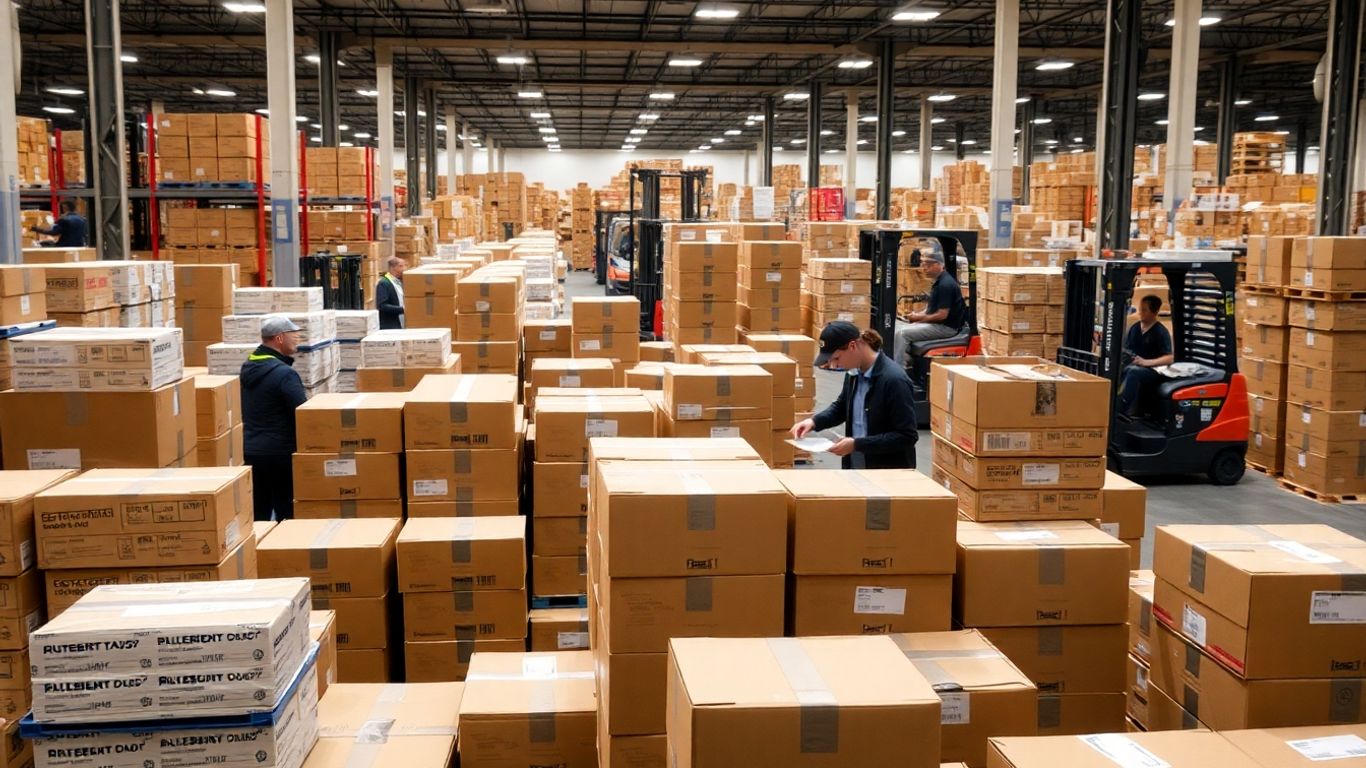
Okay, so you’ve got products and suppliers sorted. Now comes the part that can make or break your business: getting those orders out the door smoothly. If your fulfillment process is a tangled mess, customers won’t stick around, no matter how cool your products are. We’re talking about making sure orders get processed, sent to your supplier, and shipped without a hitch. This is where the magic happens, or where it all falls apart.
Order Processing Workflows That Work
Think of this as your business’s central nervous system. When a customer clicks ‘buy’, a chain reaction needs to start, and it needs to be quick. A good workflow means you’re not manually copying and pasting details all day. It’s about having a system.
- Receive Order: Customer places an order on your store.
- Verify Payment: Make sure the payment went through.
- Send to Supplier: Automatically or manually forward the order details (product, quantity, shipping address) to your supplier.
- Supplier Confirms: Supplier acknowledges they’ve got the order and can fulfill it.
- Shipping Notification: Supplier ships the item and provides tracking info.
- Update Customer: You update your customer with the tracking details.
This might sound like a lot, but with the right tools, it becomes second nature. You don’t want to be the bottleneck.
Integrating Your Store with Suppliers
This is where things get really interesting. Manually sending orders is fine when you’re just starting, maybe with a handful of orders a day. But as soon as you get busier, it’s a recipe for mistakes and burnout. Integration means your store and your supplier’s system talk to each other. When an order comes in, it just appears in your supplier’s dashboard. No copy-pasting, no missed details. This automation is key.
Some suppliers have direct integrations with platforms like Shopify or WooCommerce. Others might use a shared spreadsheet or a specific app. You’ll need to figure out what works best for your supplier and your store. It might take a bit of setup, but the time saved is huge.
Automating Your Fulfillment
Automation is your best friend in dropshipping. It’s not just about integrating your store; it’s about automating as many steps as possible. Think about:
- Automated Order Forwarding: Software that sends order details to your supplier the moment they’re placed.
- Automated Tracking Updates: When your supplier provides tracking, it automatically gets sent to your customer.
- Inventory Syncing: If possible, automate syncing inventory levels so you don’t sell out-of-stock items.
The goal here is to remove yourself from the day-to-day grind of order processing. You want to be the strategist, not the order packer (even though you’re not packing anything!). Let the tech do the heavy lifting so you can focus on marketing and growing your business.
This might seem like a lot to get your head around, but breaking it down into these steps makes it manageable. Start with a clear workflow, then look at how you can connect your store to your supplier, and finally, automate as much as you can. It’s all about building a system that runs without you having to babysit it 24/7.
Mastering Shipping and Logistics from China
Alright, let’s talk about getting your products from China to your customers. This is where things can get a little tricky, but if you get it right, it makes a huge difference. Getting your shipping sorted is just as important as finding a good product.
Choosing the Right Shipping Methods
When you’re shipping from China, you’ve got a few main options, and each has its pros and cons. It really depends on what you’re selling, how fast your customers expect it, and, of course, your budget.
- ePacket: This used to be the go-to for small, lightweight items. It’s generally cheaper than express shipping and faster than standard postal services. However, its availability and speed can be inconsistent these days, and it’s not always trackable.
- Standard Postal Services (e.g., China Post, Singapore Post): These are usually the most budget-friendly options. They’re good for non-urgent orders where cost is the main concern. Tracking can be spotty, and delivery times can be long.
- Commercial Express Couriers (e.g., DHL, FedEx, UPS): If speed is king and you need reliable tracking, these are your best bet. They’re much faster, offer great tracking, and handle customs more smoothly. The downside? They’re significantly more expensive, which can eat into your profit margins, especially for low-cost items.
- AliExpress Standard Shipping: This is a popular choice for many dropshippers using AliExpress. It’s a good balance between cost and speed, often with decent tracking. It’s essentially a curated shipping solution provided by AliExpress.
Understanding Shipping Times and Costs
This is where a lot of new dropshippers get tripped up. You need to be realistic with your customers about how long things will take and factor these costs into your pricing.
- Shipping Times: Expect anywhere from 7 days (with express couriers) to 30+ days (with standard postal services). ePacket and AliExpress Standard Shipping usually fall somewhere in the 2-4 week range. Always add a buffer!
- Shipping Costs: These vary wildly. Express couriers charge by weight and destination. Postal services are cheaper but can have hidden fees or be less predictable. Some suppliers offer ‘free shipping’ but bake the cost into the product price, so always check the total.
Pro Tip: Always get shipping quotes from your supplier before you list a product. Don’t guess!
Handling Customs and Duties
This is a big one, especially when shipping internationally. You need to know who’s responsible for what.
- Who Pays? Generally, the customer is responsible for any import duties, taxes, or customs fees that might be charged by their country. It’s super important to make this clear in your store’s shipping policy and during checkout.
- Declaring Value: Suppliers will usually declare the actual value of the goods. Don’t ask them to undervalue items to avoid customs fees; this can cause major problems if the package is inspected.
- Restricted Items: Some items are restricted or banned in certain countries. Do a quick search for common restrictions in your target markets (e.g., batteries, certain electronics, liquids).
Dealing with customs can feel like a headache, but it’s a necessary part of international e-commerce. Being upfront with your customers about potential fees and delays is key to avoiding unhappy buyers and chargebacks. Think of it as part of the customer experience you’re providing.
It’s all about finding that sweet spot between speed, cost, and reliability. Don’t be afraid to test different methods and see what works best for your specific products and customer base.
Quality Control for Your Dropshipped Products
Okay, so you’ve found a supplier, you’re getting orders, and things are moving. Awesome! But wait, what about the actual stuff you’re selling? When you’re dropshipping from China, you don’t physically see the products before they go to your customers. That’s where quality control comes in, and honestly, it’s a big deal.
Ensuring Product Quality Before Shipping
This is your first line of defense. You can’t just trust that everything coming out of the factory is perfect. You need a system. Here are a few ways to tackle this:
- Ask for Samples: Before you even think about placing a big order or listing a product, get a sample sent to you. Check it out yourself. Does it feel cheap? Does it work like it should? Is the packaging decent?
- Supplier Audits (if possible): For bigger operations, you might consider having someone visit the factory. This is more involved, but it gives you a real look at their setup and how they operate.
- Clear Product Specs: Make sure your supplier knows exactly what you expect. Provide detailed descriptions, material requirements, and even photos of what you consider acceptable quality.
Dealing with Defective Products
Stuff happens. Even with the best suppliers, you’ll eventually get a product that’s broken or just not right. How you handle this makes a huge difference to your customers.
- Have a Clear Process: Know what you’re going to do before a defect pops up. Will you offer a refund? A replacement? Who pays for return shipping?
- Communicate with Your Supplier: Don’t just eat the cost yourself every time. Show your supplier the evidence (photos, videos) of the defect. Most reputable suppliers will work with you on this, especially if it’s a recurring issue.
- Customer First: Even if it costs you a bit, making the customer happy is usually the best long-term play. A refund or replacement can turn a bad experience into a neutral or even positive one.
Implementing Quality Checks
So, how do you actually do these checks? It’s not always easy when the products are thousands of miles away. The goal is to catch problems before they reach your customer.
- Random Inspections: You can arrange for third-party inspection services in China to randomly check batches of your products before they ship out. They’ll look for defects, check quantities, and make sure everything matches your order.
- Supplier Self-Checks: Ask your supplier about their own internal quality control processes. What steps do they take? Do they have a dedicated QC team?
- Customer Feedback Loop: Pay close attention to what your customers are saying. Are you seeing a pattern of complaints about a specific product? That’s a huge red flag that you need to investigate with your supplier immediately.
When you’re dropshipping, your supplier’s quality is your quality. You’re the face of the brand, so you’ve got to make sure the products you’re sending out are good enough that people will want to buy from you again. It’s way cheaper to prevent problems than to fix them after a customer is unhappy.
Think of quality control not as an extra step, but as a core part of your business. It protects your reputation and keeps customers coming back for more.
Managing Returns and Customer Service
Okay, so you’ve got orders coming in, products shipping out, and things are looking good. But what happens when a customer isn’t happy? Dealing with returns and keeping customers satisfied, especially when your products are coming from China, can feel like a whole other ballgame. It’s not just about sending a replacement; it’s about managing expectations and making sure people feel heard. A good returns and customer service strategy can turn a bad experience into a loyal customer.
Developing a Clear Returns Policy
First things first, you need a policy. Don’t just wing it. Think about what makes sense for your business and what your customers will expect. It should be easy to find on your website, probably in the footer or on a dedicated page.
Here’s what to include:
- Timeframe: How long do customers have to initiate a return? 14 days? 30 days? Be specific.
- Condition of Items: Can they return used items? What about opened packaging? Usually, items need to be in resalable condition.
- Reasons for Return: Are you accepting returns for change of mind, or only for faulty items? This is a big one.
- Who Pays for Return Shipping: This is often the trickiest part with international dropshipping. Will you cover it, or will the customer? Be upfront about this.
- Refund vs. Exchange: Will you offer refunds, store credit, or exchanges?
Handling International Returns Smoothly
This is where things get complicated. When a customer in, say, the US wants to return an item shipped from China, sending it back to the original supplier isn’t usually practical. The shipping costs alone can be more than the product’s worth, not to mention the time it takes.
So, what are your options?
- Local Returns Hub (if possible): Some dropshippers set up a small warehouse or use a third-party logistics (3PL) service in their main market (like the US or Europe) to receive returns. This is more expensive upfront but makes the process much smoother for the customer.
- Discard and Refund/Replace: For lower-value items, it might be more cost-effective to tell the customer to keep or discard the item and then issue a full refund or send a replacement directly from the supplier. You’ll need to get good photos or videos of the issue first.
- Negotiate with Supplier: Sometimes, you can negotiate with your supplier to offer partial refunds or replacements without the item being sent back.
The key is to make the return process as painless as possible for the customer, even if it means taking a small hit on your profit margin for a particular order. A happy customer is more likely to buy again and recommend you.
Providing Excellent Customer Support
Customer support isn’t just about handling problems; it’s about building trust. When customers have questions or issues, they want quick, clear answers. Since your products are coming from China, you might be dealing with time zone differences and language barriers with your suppliers, which can indirectly affect your customer service.
- Be Responsive: Aim to reply to inquiries within 24 hours, even if it’s just to say you’re looking into it.
- Be Empathetic: Put yourself in the customer’s shoes. Acknowledge their frustration.
- Be Transparent: If there’s a shipping delay or a known issue with a product, let your customers know. Honesty goes a long way.
- Use Multiple Channels: Offer support via email, a contact form, and maybe even live chat if you can manage it.
Remember, good customer service is a huge part of your brand. It’s what differentiates you from competitors and keeps people coming back, even if they had a minor hiccup along the way.
Leveraging Technology for Efficient Fulfillment
Okay, so you’ve got your products sorted and your suppliers lined up. Now comes the part where you actually get those items to your customers without losing your mind. This is where tech really shines. If you’re still doing things manually, you’re probably leaving money on the table and definitely stressing yourself out more than you need to.
Essential Dropshipping Software Tools
There’s a whole bunch of software out there designed to make your life easier. Think of them as your digital assistants. They can handle a lot of the grunt work so you can focus on growing your business. Some tools connect directly to your store (like Shopify, WooCommerce, etc.) and then link up with your suppliers.
- Order Management Systems (OMS): These help you keep track of all your orders from different platforms in one place. No more jumping between spreadsheets and emails.
- Inventory Sync Tools: These make sure your store’s stock levels match what your supplier actually has. Prevents those awkward
Scaling Your Dropshipping Business with Chinese Fulfillment
So, you’ve got a dropshipping business humming along, and now you’re thinking, ‘How do I make this bigger?’ That’s where getting smart about your fulfillment from China really comes into play. It’s not just about finding more products; it’s about doing it right so you don’t get swamped.
Expanding Your Product Catalog
This is probably the most obvious step. You’ve found a niche that works, but maybe you’re only selling a few items. To grow, you need more options for your customers. Think about complementary products. If you’re selling pet supplies, maybe add grooming tools or specialized food bowls. Look at what your competitors are doing, but also try to find unique items that aren’t everywhere yet. Don’t just add random stuff, though. Make sure new products fit with your brand and target audience. It’s better to have a smaller, well-curated selection than a huge mess of unrelated items.
Diversifying Your Supplier Base
Relying on just one or two suppliers, even if they’re great, is risky. What if they have a production issue, or their prices suddenly jump? Spreading your eggs across a few different suppliers is smart. This doesn’t mean you need dozens. Start with finding a couple of backup suppliers for your best-selling products. Compare their prices, shipping times, and product quality. Having options means you can switch if one supplier lets you down, or even negotiate better deals by letting them know you have other choices.
Strategies for Growth
Growing isn’t just about adding products or suppliers. It’s about making your whole operation run smoother so you can handle more.
- Automate More: Look at what tasks you’re still doing manually. Order processing, inventory updates, even customer service responses for common questions. The more you can automate, the more time you free up to focus on strategy and growth.
- Improve Communication: As you work with more suppliers and handle more orders, clear communication becomes even more important. Use tools that help track conversations and ensure everyone’s on the same page.
- Analyze Your Data: What products are selling best? Where are your customers located? Which shipping methods are most popular? Use this information to make smarter decisions about what to stock, where to source from, and how to ship.
When you’re scaling, the goal is to build systems that can handle increased volume without breaking. Think about how each new product or supplier adds complexity, and find ways to manage that complexity efficiently. It’s about building a robust machine, not just adding more parts.
Think about your shipping. As you get more orders, you might be able to negotiate better rates with shipping carriers. Or maybe you can offer faster shipping options if you find suppliers with quicker processing times. It all ties together. The more you grow, the more you’ll learn what works and what doesn’t, so keep adapting and refining your approach.
Avoiding Common Pitfalls in Dropshipping Fulfillment
Identifying Red Flags with Suppliers
Okay, so you’ve found a supplier that seems pretty good. But hold up a sec. Not all that glitters is gold, right? When you’re working with folks from China, you gotta keep your eyes peeled for some warning signs. A supplier who can’t communicate clearly or is slow to respond is a big one. Like, if it takes them days to answer a simple question about product specs, imagine how long it’ll take to sort out an order issue. Also, watch out for suppliers who are vague about their production capabilities or minimum order quantities (MOQs). If they’re cagey about details, it might mean they’re not as legit as they seem.
Here are a few more things to look out for:
- Unrealistic Pricing: If a price seems way too good to be true compared to others, it probably is. They might be cutting corners on quality or using cheap materials.
- Lack of Reviews or Poor Feedback: Do a quick search. If you can’t find any independent reviews, or if the ones you find are mostly negative, that’s a bad sign.
- No Samples Available: A reputable supplier should be willing to send you samples. If they refuse, it’s a red flag.
- Poor English Skills (if communication is key): While not always a dealbreaker, if their English is so bad that you can’t understand each other, it’s going to cause problems down the line.
Sometimes, the cheapest option looks appealing, but it often leads to more headaches than it’s worth. Think about the long game.
Preventing Shipping Delays
Shipping delays are the bane of dropshipping. You promise your customer a delivery date, and then… crickets. This usually happens when you haven’t properly planned your shipping strategy. It’s not just about picking the cheapest option; it’s about picking the right option for your product and your customers.
Here’s how to try and dodge those delays:
- Understand Shipping Methods: Different methods have different speeds and costs. E-packet is popular for its balance, but it’s not always the fastest. For faster shipping, you might need to look at couriers like DHL or FedEx, though they cost more.
- Factor in Processing Time: Suppliers need time to pack your order. Always ask about their typical processing time and add that to your shipping estimates.
- Communicate with Your Supplier: Make sure they’re upfront about any potential delays, like during Chinese holidays or if there’s a surge in demand.
- Offer Realistic Delivery Estimates: Don’t overpromise. It’s better to give a slightly longer estimate and deliver early than to miss your deadline.
Mitigating Risks
Dropshipping from China comes with its own set of risks, and you need to be prepared. One of the biggest is product quality. You’re not seeing the items yourself before they go to your customer, so you’re relying on your supplier. If they send out shoddy products, your reputation takes a hit.
Another risk is customs and import duties. If you don’t handle these correctly, packages can get stuck or even returned, causing major customer dissatisfaction. You need to know what the rules are for the countries you’re shipping to.
Finally, there’s the risk of supplier issues. What if your supplier suddenly goes out of business or stops fulfilling orders? Having a backup supplier is a smart move. It might seem like extra work, but it can save you from disaster when things go wrong. Diversifying your supplier base is key to long-term stability.
The Future of Dropshipping Fulfillment from China
So, what’s next for getting your dropshipping stuff from China? Things are always changing, right? It’s not just about finding a cheap product anymore. We’re talking about making the whole process smoother, faster, and way more reliable. The game is evolving, and staying ahead means paying attention to these shifts.
Emerging Trends in E-commerce Logistics
Logistics is getting smarter. Think about it: more companies are using AI to figure out the best shipping routes and predict when things might get held up. This means fewer surprises for you and your customers. We’re also seeing a big push for sustainability in shipping. Companies are looking for greener ways to move goods, which could mean different packaging or even different transport methods down the line. Plus, the rise of micro-fulfillment centers, even if they’re not directly in China, might change how goods are stored and shipped closer to the end customer.
Innovations in Chinese Manufacturing
China isn’t just churning out products; they’re getting smarter about it. Automation in factories is becoming standard, which can lead to better quality control and faster production times. Some manufacturers are also starting to offer more personalized services, like custom packaging or even small-batch runs, making it easier for dropshippers to stand out. We might even see more localized production hubs within China to speed up shipping to different regions.
Adapting to Market Changes
What does this all mean for you? You’ve got to be flexible. Keep an eye on new shipping technologies and services. Don’t get stuck with just one supplier; having backups is always smart. And remember, customer expectations are high. They want their stuff fast and without hassle. So, focusing on a smooth fulfillment process isn’t just a nice-to-have, it’s pretty much a requirement for sticking around.
- Faster Shipping Options: Look for suppliers who can offer expedited shipping, even if it costs a bit more. Customers appreciate it.
- Better Tracking: Real-time tracking is becoming the norm. Make sure your suppliers provide this.
- Quality Focus: As competition grows, product quality will be a major differentiator.
The days of just picking the cheapest item and hoping for the best are fading. Now, it’s about building a reliable system that customers can count on, even when your products are coming from halfway across the world. Think about the whole journey, from the factory floor to the customer’s doorstep.
The way products are shipped from China is changing fast. New methods are making things quicker and easier for online sellers. Keep up with these exciting updates to make your business even better. Want to learn more about how these changes can help you? Visit our website today!
So, What's the Takeaway?
Alright, so we’ve talked a lot about getting your dropshipping stuff from China sorted. It’s not always easy, right? There are definitely bumps in the road, especially with shipping and making sure your customers actually get what they paid for. But if you stick with it, find good suppliers, and keep an eye on those shipping times, you can totally make this work. Think about what we covered – finding the right partners, understanding the costs, and just being ready for things to go sideways sometimes. It’s a lot to keep track of, but with a bit of planning and some grit, you can build a solid business. Don’t get discouraged if it’s not perfect right away. Keep learning, keep adjusting, and you’ll get there.
Frequently Asked Questions
What exactly is dropshipping from China?
Dropshipping from China means you sell products online without actually holding any stock yourself. When a customer buys something from your store, you order it from a supplier in China, and they ship it directly to your customer. It’s like being a middleman, but with a digital storefront!
Why do so many people dropship from China?
China is a popular choice because it has tons of factories and suppliers offering a huge variety of products at really low prices. This means you can often make a good profit by selling these items to customers in other countries for a bit more.
How do I find a good supplier in China?
Finding a good supplier is super important! You can look on big online platforms like Alibaba or AliExpress. Always check their reviews, see how long they’ve been in business, and maybe even order a sample product yourself to check the quality before you commit to selling their stuff.
What's the biggest challenge with shipping from China?
Shipping can be tricky because it often takes longer to get products from China to your customers. You also need to figure out shipping costs and understand any import taxes or duties that might apply, which can sometimes surprise people.
How can I make sure the products are good quality?
It’s a bit harder when you don’t see the product yourself. A good way is to build a strong relationship with your supplier and ask them to send you pictures or videos of the items before they ship. Some services can even inspect products for you.
What if a customer wants to return something?
Handling returns can be complicated when products are shipped from China. You’ll need a clear plan. Often, it’s easier to have a policy where you might offer a refund or a replacement without the customer having to send the item all the way back to China, especially for low-cost items.
Can I use software to help with dropshipping?
Absolutely! There’s lots of software designed to help. These tools can connect your online store to your suppliers, automatically send orders, and even help track shipments. Using technology can save you a ton of time and prevent mistakes.
What are the main risks when dropshipping from China?
Some risks include unreliable suppliers who might not ship on time or send poor-quality goods. Shipping delays are also common, and dealing with customs can be a headache. It’s all about being prepared and having backup plans!