
Key Takeaways
Staying relevant in today’s global market requires moving from a transactional mindset to a strategy based on long-term operations and consumer trust. Here is a summary of how to succeed.
- Shifting from passive income to sustainable, long-term business models.
- Adapting to strict regulatory changes and varying international tax compliance.
- Improving logistics through regional supplier networks to reduce delivery times.
- Localizing storefront elements like language, currency, and culture for higher conversion.
- Investing in automation and analytics to maintain a competitive advantage.
The state of cross-border dropshipping in 2026

The era of treating international sales as an afterthought has officially ended. Sellers who prioritize scalability and operational stability are now dominating the landscape, distancing themselves from those who rely on outdated, low-barrier methods. As we navigate cross-border dropshipping 2026, the focus has shifted toward building resilient systems that handle complexity with ease and professionalism.
Understanding the shift from passive income to sustainable operations
Sustainable growth now depends on moving away from the "get rich quick" mentality that characterized previous years. Entrepreneurs are replacing volatile, short-term trends with deep operational processes that allow for predictable scaling and long-term brand equity.
Key market trends driving global e-commerce growth
Consumer accessibility is rising through better digital infrastructure and mobile-first shopping experiences worldwide. Regional demand has become more specific, pushing independent retailers to cater to unique micro-niche interests rather than broad, generic product categories.
The bimodal split in performance and profit
Market data reveals a growing divide between casual sellers and professional entities who iterate based on real performance analytics. This split dictates that those who start your business professionally and refine operations consistently are those capturing the largest share of the available customer base.
How consumer expectations have matured since 2025
Shoppers now demand high transparency regarding order status and product quality, regardless of where their package originates. They are increasingly intolerant of opaque shipping timelines or poorly localized storefront experiences that don’t match their local standards.
Navigating the evolving regulatory landscape

Compliance is no longer a peripheral task but a primary operational requirement. As governments tighten their oversight, failing to understand jurisdictional differences can lead directly to blocked shipments and costly fines. Navigating these complexities requires a proactive, rather than reactive, approach to marketplace standards.
Adapting to changes in de minimis thresholds for imported goods
Recent shifts in tax policy have narrowed the gap for duty-free entry, forcing businesses to rethink their pricing structures immediately. Sellers must now account for increased landed costs to maintain margins without alienating their target demographics.
Managing cross-border tax compliance and international VAT
Accounting for varying fiscal requirements across international borders is vital to keeping a business operational. Automated systems ensure that the correct taxes are collected at checkout, preventing unexpected charges that frustrate international buyers upon delivery.
Handling evolving platform-specific policies on overseas sellers
Major marketplaces have introduced stricter verification protocols to ensure that every seller provides a high-quality experience. Keeping up with these specific updates is necessary for maintaining a long-term presence on high-traffic platforms that account for a significant portion of incoming sales.
Avoiding legal pitfalls when entering high-regulation markets
Targeting regions with stringent import standards requires a comprehensive understanding of local consumer protection laws. Entrepreneurs often conduct thorough market research to ensure their product documentation and labeling meet local requirements before launching in new territories.
Overcoming supply chain and logistics limitations
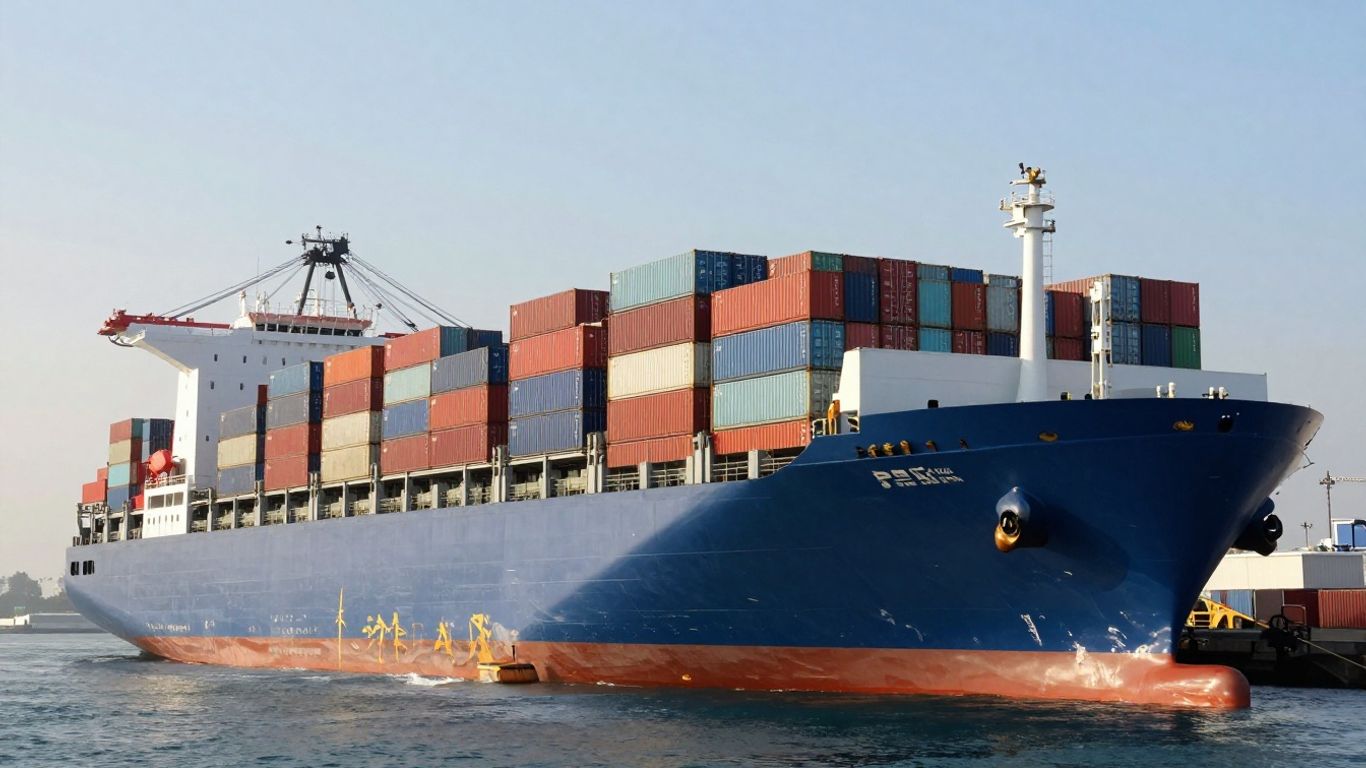
Reliability in logistics is the ultimate differentiator for any retail business today. When customers expect their goods at lightning speed, relying on a single, distant supplier often leads to fulfillment bottlenecks that damage your reputation. Building a diverse logistics chain is mandatory for maintaining consistent delivery reliability.
Strategies for reducing shipping times to international customers
Working with fulfillment partners located closer to the final destination is a proven way to improve the customer experience. This reduces the physical distance a package must travel, significantly decreasing the chance of lost or delayed shipments arriving at their destination.
Transitioning from single-supplier dependence to regional supplier networks
Depending on one supplier introduces significant risks if operations fail or stock becomes unavailable unexpectedly. Developing a network of suppliers across different geographic zones helps ensure consistent stock levels and reduces the impact of regional logistics disruptions.
Managing customer expectations regarding delivery timelines
Directly communicating accurate shipping windows set a solid foundation for trust, even when international transit times are longer than domestic ones. Consistency in tracking updates helps keep the buyer informed throughout the entire lifecycle of an order.
Mitigating the impact of global carrier disruptions
Diversifying shipping partnerships is key to avoiding reliance on just one delivery system. When one channel experiences a slowdown, having pre-established alternative shipping routes ensures that customer orders continue to move smoothly despite external global factors.
Strategies for successful market localization
Localization represents far more than just translating text on a website. It involves creating a tailored environment that makes customers feel the product is meant specifically for them and their unique cultural context. Effective localization removes friction points that prevent international visitors from becoming long-term, repeat buyers.
Why language and currency tools are essential entry-level requirements
Providing an interface that speaks the customer’s native tongue is the basic standard for modern retail operations. When customers interact with a site that automatically detects their currency and language settings, their trust and confidence in the brand grow instantly.
Adapting product descriptions for cultural and linguistic nuances
Context matters when describing the benefits of a product to different regional audiences. Simply changing the language is not enough; the copy must address local needs, cultural preferences, and common terminologies to avoid confusion or misunderstanding.
Tailoring checkout flows to local payment method preferences
Shoppers frequently abandon carts when their preferred payment methods are not offered. Integrating regional options such as digital wallets or local bank transfer systems is a necessary step to ensuring that the checkout process is as effortless as possible.
Aligning marketing campaigns with regional holiday calendars
Timed promotions that coincide with local festivities demonstrate that a brand is tuned into the customer’s lifestyle. Being aware of these specific dates allows for better planning of inventory levels and advertising spend to maximize visibility during peak shopping windows.
Leveraging technology for competitive advantage
Technical tools now provide the backbone for scaling without manual, error-prone effort. Integrating smart software solutions allows for the management of inventory levels, customer interactions, and market trends in real-time. Those who embrace these tools find themselves able to process complexity that would otherwise overwhelm a smaller team.
Using AI agents for real-time multilingual customer support
Implementing support systems that function 24/7 in multiple languages allows for faster resolution of inquiries. Providing high-quality, immediate assistance helps build strong relationships with customers, regardless of the time difference between the buyer and the support team.
Implementing automated inventory and price fluctuation tools
Staying competitive means responding automatically to changes in wholesale supply prices or market demand. Automated inventory management tracks stock levels across all channels, preventing overselling and ensuring that items remain available to customers consistently.
Utilizing advanced analytics to forecast demand in foreign markets
Data-driven insight helps determine which products will succeed before significant investments are made in marketing or stock capacity. Analyzing regional sales trends enables a smarter, more tactical approach to growing a retail store’s international footprint purposefully rather than guessing.
Optimizing storefronts for regional mobile and voice search behaviors
Mobile-first design is a global necessity, but mobile habits differ by platform and region. Ensuring that site speed is optimized globally and that search features respond to standard local voice queries provides a better experience for the modern, high-intent shopper.
Building a brand that survives in a crowded market
A distinct brand voice is the only way to retain customers once they have made their first purchase. When customers can choose from endless options, they return to the brands that demonstrate reliable quality control and a clearly articulated value proposition. Building this connection requires focus and long-term discipline.
Moving beyond commodity goods to specialized, value-add products
Selling highly generic products creates constant competition on price alone, which is rarely sustainable. Transitioning to offerings that provide specialized value or solve specific problems builds an audience that is less sensitive to price but more invested in the brand’s quality.
Fostering customer trust through transparency and quality control
Showing honesty around where products are sourced and how quality is measured helps earn deep customer loyalty. Transparency regarding the end-to-end customer experience helps mitigate the negative perceptions often associated with external, non-branded fulfillment models.
Balancing high-ticket price points with recurring revenue models
High-ticket items can be profitable, yet they often lack the consistency of recurring business models. Finding a balance involves maintaining loyal customers through subscription services or high-value consumable components that encourage repeat interaction, steadying the overall revenue stream.
Crafting a unique brand identity that transcends geographical borders
Building an identity that resonates globally requires a visual and narrative language that is consistent across all markets. This cohesive identity helps buyers recognize the company anywhere, elevating it above regional competitors and establishing a brand that has staying power.
Conclusion
Success in the global market is no longer about finding a loophole but about building a robust, international operation that respects local rules, values the customer journey, and leverages smart technology for efficiency. By focusing on sustainable logistics, careful regional localization, and a brand built on trust rather than just commodity exchange, store owners can survive the competitive shift and thrive for years to come.
Frequently Asked Questions
Is it still possible for beginners to enter this market in 2026?
Yes, provided that the beginner approaches the model as a professional business rather than a side hustle. Success now requires more upfront research, a focus on specific niches, and a commitment to understanding local regulations and logistics, but the global opportunity remains immense.
What are the biggest risks to international store operations?
Regulatory non-compliance, fluctuating shipping costs, and poor logistical reliability are the primary risks. Failure to address these proactively can lead to shipment delays, financial losses from tax issues, and long-term damage to the brand’s reputation in international markets.
How does localization influence higher conversion rates?
Localization reduces the psychological and physical barriers for the buyer by presenting content in their native language and currency. It creates a familiar, trustworthy shopping environment that aligns with local cultural expectations, which in turn encourages visitors to complete their purchases.
Why are regional supplier networks preferred over single sources?
Networks provide significantly higher operational resilience by reducing the risk of a single point of failure. By partnering with suppliers closer to the end customers, businesses can achieve faster shipping times and better handle disruptions that might affect only one specific part of the logistics chain.
What role does automation play in scaling global sales?
Automation acts as the bridge that allows a small team to handle high-volume interactions and inventory updates across multiple time zones. By using tools for customer support, inventory balancing, and price management, store owners can maintain high standards of efficiency without needing to scale headcount linearly.
How do I identify a niche that isn't saturated?
Focus on specialized products that solve specific problems for a clearly defined audience. Research regional market trends to identify untapped needs or interests that aren’t being addressed by broad-reach, high-volume sellers who compete strictly on the lowest price point.
What is the most important factor for building long-term customer trust?
Transparency is the single most effective way to build trust. Being clear about shipment origins, shipping timelines, return procedures, and product specifications ensures that the customer understands exactly what to expect, which prevents the frustration that often leads to negative feedback.