
So, you’ve got this Bhip GDP platform and you’re wondering where to start? It can seem a bit much at first, right? Like looking at a new gadget with a million buttons. But don’t worry, this Bhip GDP platform tutorial is here to break it all down. We’ll go through it step-by-step, from signing up to getting your data sorted and making sense of it all. Think of it as a friendly guide to help you get the most out of this tool without pulling your hair out.
Key Takeaways
- Getting started with the Bhip GDP platform involves creating an account and getting familiar with the main dashboard.
- The platform offers tools for looking at data, checking key numbers, and managing who can see what.
- You can set up new projects, define what you want to achieve, and bring in your team.
- Putting your data into the platform means connecting to sources or uploading files, and then cleaning it up.
- The Bhip GDP platform tutorial shows how to build reports, share your findings, and get help when you need it.
Getting Started With Your Bhip GDP Platform Tutorial
Alright, let’s get you set up with the Bhip GDP platform. Think of this as your starting point, the place where you’ll begin to wrangle all that data and make it do cool things. We’ll walk through the initial steps so you can get your bearings.
Signing Up For An Account
First things first, you need an account. Head over to the Bhip GDP website. You’ll see a button, probably in the top right corner, that says ‘Sign Up’ or ‘Get Started’. Click that. You’ll be asked for some basic info – usually your name, email, and you’ll need to pick a password. Make sure you choose a strong password; you don’t want anyone messing with your data. After you fill out the form, you might need to check your email for a confirmation link. Click it, and boom, you’re in.
Navigating The Dashboard
Once you’re logged in, you’ll land on the main dashboard. This is your command center. It might look a little busy at first, but don’t worry, it’s pretty straightforward once you get used to it. You’ll see different sections, usually on the left side or across the top. These are your main areas for different functions:
- Projects: Where you’ll organize your work.
- Data Sources: To connect to where your information lives.
- Reports: To see your findings.
- Settings: For account and platform preferences.
Take a few minutes to just click around. See what’s where. There’s no harm in exploring. You’ll probably find a welcome message or a quick tour guide. It’s worth checking out.
The dashboard is designed to give you a quick overview of your activity. Keep an eye on any notifications or alerts that pop up here, as they often point to important updates or actions you need to take.
Understanding The Core Features
Alright, let’s get down to what makes the Bhip GDP Platform tick. Once you’re past the initial setup, you’ll want to get familiar with the main tools you’ll be using day in and day out. These are the features that really let you see what’s going on with your data and how to manage who sees what.
Exploring Data Visualization Tools
This is where the magic happens, visually speaking. The platform gives you a bunch of ways to turn raw numbers into something you can actually understand at a glance. Think charts, graphs, and all sorts of visual aids. You can play around with different chart types to see which one best tells the story of your data. Want to see sales trends over time? A line graph is probably your best bet. Need to compare different product performances? A bar chart might be more your speed. The goal here is to make complex data digestible.
- Line Charts: Great for showing trends over a period.
- Bar Charts: Perfect for comparing discrete categories.
- Pie Charts: Useful for showing proportions of a whole.
- Scatter Plots: Good for identifying relationships between two variables.
Interacting With Key Performance Indicators
Key Performance Indicators, or KPIs, are basically the big numbers that tell you if your project or business is hitting its targets. The Bhip GDP Platform lets you keep a close eye on these. You can set up specific KPIs, track their progress, and get alerts if things are looking good or, well, not so good. It’s like having a dashboard for your most important goals.
Here’s a quick look at how you might set up some common KPIs:
| KPI Name | Target Value | Current Value | Status |
|---|---|---|---|
| Monthly Revenue | $50,000 | $45,200 | Below Target |
| Customer Growth | 5% | 6.2% | On Target |
| Website Traffic | 10,000 visits | 11,500 visits | Above Target |
| Conversion Rate | 2.5% | 2.1% | Below Target |
Understanding User Management
This part is all about control. You need to decide who gets to see what information and what they can do within the platform. User management lets you set up different roles and permissions. For example, a marketing team member might need access to campaign performance data, while someone in finance might only need to see revenue reports. It’s important to get this right to keep your data secure and ensure everyone has the access they need without seeing things they shouldn’t.
Setting up user roles correctly from the start saves a lot of headaches down the line. It prevents accidental data changes and keeps sensitive information private. Think about the different teams and what they really need to do their jobs.
So, those are the main building blocks. Get comfortable with these, and you’ll be well on your way to using the Bhip GDP Platform effectively.
Setting Up Your First Project

Alright, let’s get down to business and start your first project on the Bhip GDP Platform. This is where the magic really begins, turning all that data into something useful. It’s not as complicated as it sounds, promise.
Creating A New Project Space
First things first, you need a place to put everything. Think of this as your project’s home base.
- Head over to the ‘Projects’ section on your dashboard. You’ll see a big button, probably labeled something like ‘New Project’ or ‘Create Project’. Click it.
- You’ll be asked to give your project a name. Make it descriptive so you know what it’s about later. Something like ‘Q4 Sales Analysis’ or ‘Website Traffic Trends’ works well.
- There might be a spot for a brief description. Jot down a sentence or two about what this project aims to achieve. This helps keep you focused.
- Hit ‘Save’ or ‘Create’. And boom, you’ve got your own dedicated space.
This project space is your sandbox. It’s where you’ll link data, build reports, and invite your team. Keeping things organized here makes everything else much smoother.
Defining Project Goals And Objectives
Now that you have a space, what are you actually trying to do with it? Setting clear goals is super important. Without them, you’re just kind of floating around.
- What specific question are you trying to answer? For example, ‘Are our marketing campaigns driving more leads?’
- What outcome are you looking for? Maybe it’s ‘Increase customer retention by 10%’ or ‘Identify the top 3 performing products’.
- How will you measure success? This ties back to your KPIs. You need to know what numbers you’re looking at to say ‘yes, we did it’.
Think about these before you start importing data. It saves a lot of time and prevents you from going down rabbit holes.
Inviting Team Members To Collaborate
Unless you’re a one-person show, you’ll want to bring your colleagues into the fold. The Bhip GDP Platform makes this pretty easy.
- Go back to your project’s main page. Look for an ‘Invite Members’ or ‘Team’ option.
- You’ll likely need to enter their email addresses. Make sure they’re the ones associated with their Bhip accounts.
- You might be able to assign roles or permissions here. For instance, some people might just need to view reports, while others can edit them. Decide who needs what level of access.
- Send out those invites! Your teammates will get a notification and can join your project.
Having the right people involved means you can share the workload and get different perspectives. It’s all about teamwork, right?
Importing And Managing Your Data
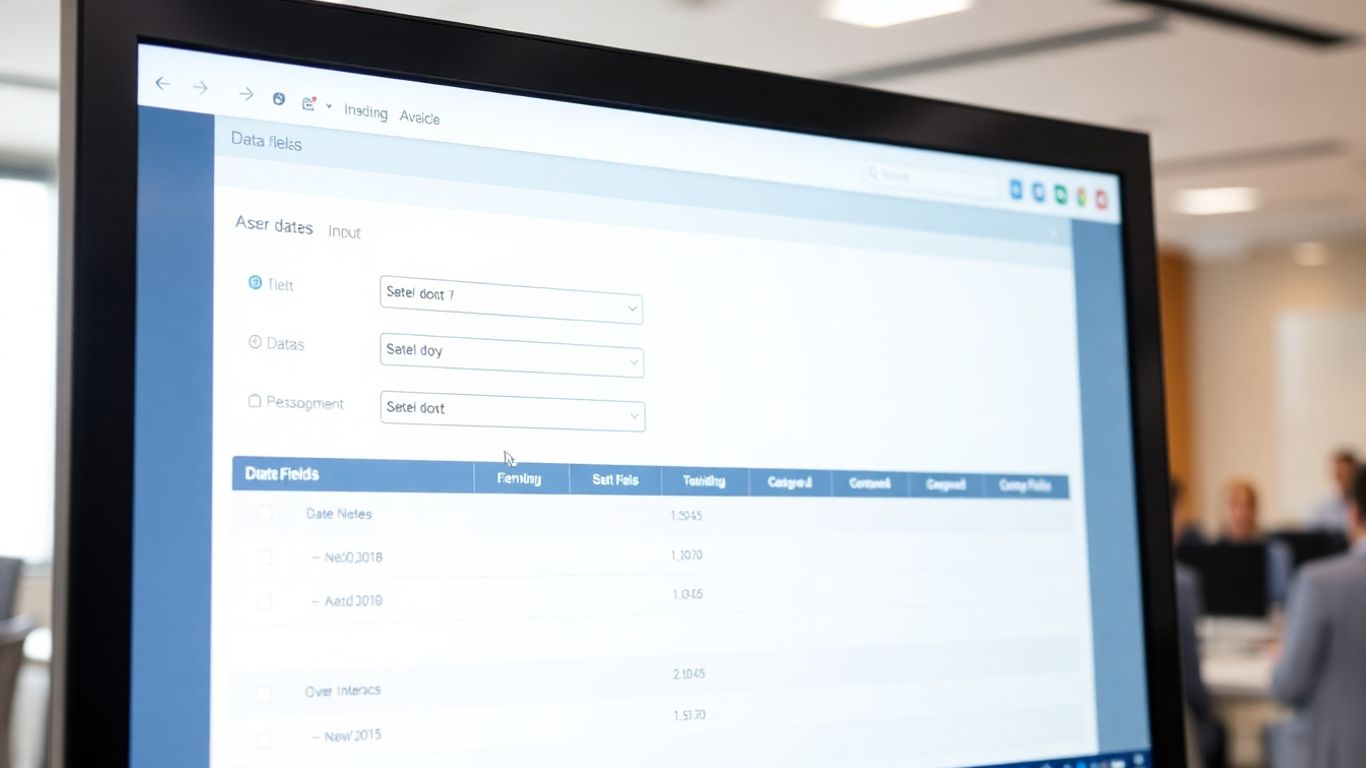
Alright, let’s get down to business with your data. This is where the magic really starts to happen on the Bhip GDP platform. You’ve got all this information, and you need to get it into the system so you can actually do something with it. It’s not always the most exciting part, but it’s super important.
Connecting To Data Sources
First off, you need to tell Bhip where your data lives. The platform is pretty flexible here. You can connect to a bunch of different places. Think cloud storage like Google Drive or Dropbox, databases, or even other business apps you might be using.
Here are some common connection types:
- Cloud Storage (e.g., Google Drive, OneDrive, Dropbox)
- Databases (e.g., SQL Server, PostgreSQL, MySQL)
- APIs (for direct app integrations)
- Spreadsheets (like Excel or CSV files)
The key is to make sure your connection details are correct. A typo here can cause a lot of headaches later on.
Uploading Files And Datasets
Sometimes, connecting directly isn’t an option, or maybe you just have a simple file you need to get in. Bhip lets you upload files directly. This is great for one-off analyses or when you’re just starting out. You can usually drag and drop files right into the platform, or use the upload button. It supports a bunch of formats, so you’re probably covered. Just make sure the files aren’t too massive, or it might take a while.
Cleaning And Preparing Your Data
Okay, so you’ve got your data in. Now what? Chances are, it’s not perfect. Data cleaning is a big deal. You’ll want to look for missing values, fix any weird formatting, remove duplicates, and make sure everything is consistent. Bhip has some tools to help with this, but honestly, sometimes a good old spreadsheet program is still your best friend for the initial cleanup.
Don’t skip this step! Bad data in means bad insights out. It’s like trying to build a house on a shaky foundation – it’s just not going to end well.
Think about it like this: if you’re cooking, you wouldn’t just throw random ingredients into a pot and expect a gourmet meal, right? You prep your veggies, measure your spices, and make sure everything is ready. Data is the same way. Getting it clean and organized upfront saves you so much time and prevents silly mistakes down the line.
Leveraging Advanced Analytics
Okay, so you’ve got your data in, and you’re looking to do more than just see what happened. This is where the Bhip GDP platform really starts to shine. We’re talking about digging deeper, finding patterns, and maybe even guessing what’s coming next. It’s pretty cool stuff.
Running Predictive Models
This is like having a crystal ball, but with math. Predictive models use your past data to make educated guesses about the future. Think about predicting sales trends, customer churn, or even equipment failures. The platform gives you tools to build and run these models without needing a PhD in statistics. You feed it data, tell it what you want to predict, and it does the heavy lifting. It’s about turning historical information into forward-looking insights.
Performing Trend Analysis
Trends are the big picture movements in your data. Are sales generally going up or down over time? Is customer engagement increasing? Trend analysis helps you spot these long-term shifts. You can see if a marketing campaign had a lasting effect or if a new product is gaining traction. It’s not just about looking at today; it’s about understanding the direction you’re heading.
Utilizing Segmentation Tools
Not all your customers or data points are the same, right? Segmentation lets you break down your data into smaller, more manageable groups based on shared characteristics. For example, you could segment customers by their purchasing habits, demographics, or how they interact with your service. This way, you can tailor your strategies to each specific group, making your efforts much more effective. It’s like sorting your mail into different piles instead of trying to read it all at once.
When you start using these advanced tools, remember that the quality of your input data is super important. Garbage in, garbage out, as they say. Take the time to clean and prepare your data properly before you try to run complex analyses. It will save you a lot of headaches later on.
Here’s a quick look at what you might do:
- Predictive Modeling: Set up a model to forecast next quarter’s revenue.
- Trend Analysis: Identify if website traffic has been steadily increasing over the last year.
- Segmentation: Group your users into ‘high-value’, ‘medium-value’, and ‘low-value’ based on their spending.
These features move you from just reporting on what happened to understanding why it happened and what might happen next. It’s a big step up.
Customizing Your Reports
Alright, so you’ve crunched the numbers and got some pretty neat insights. Now, how do you make those reports actually look good and tell the story you want them to? That’s where customizing comes in. It’s not just about throwing data onto a page; it’s about making it clear, engaging, and easy for anyone to grasp.
Building Custom Dashboards
Think of your dashboard as your report’s homepage. Instead of a generic layout, you can build one that highlights exactly what matters most to you and your team. You’re not stuck with pre-made templates here. You get to pick and choose what goes where.
Here’s a quick rundown on how to get started:
- Start with a blank canvas: Don’t be afraid to just begin with an empty dashboard.
- Add your key metrics first: What are the absolute must-see numbers? Put those front and center.
- Group related information: Keep your sales figures together, or your marketing campaign results in one spot.
- Consider your audience: Who is looking at this? A CEO might want high-level summaries, while a marketing manager needs campaign details.
Adding Widgets And Charts
This is where the magic happens. Widgets are like building blocks for your dashboard. You’ve got a whole bunch of options, from simple number displays to fancy charts.
- Number Widgets: Great for showing single, important figures like total revenue or active users.
- Line Charts: Perfect for showing trends over time – think website traffic or sales growth.
- Bar Charts: Good for comparing different categories, like sales performance by region or product.
- Pie Charts: Use these sparingly, but they can be useful for showing proportions of a whole, like market share.
- Tables: Sometimes, you just need to see the raw data in an organized way. Tables are your friend here.
The key is to pick the right chart for the right data. A pie chart showing monthly sales won’t make much sense, but a line chart showing sales over the last year? That tells a story.
Scheduling Report Generation
Nobody wants to manually generate the same report every week or month. The Bhip GDP platform lets you set it and forget it. You can schedule reports to be created automatically and sent to specific people or groups.
This feature saves a ton of time and makes sure everyone stays in the loop with the latest information without you having to lift a finger. It’s all about consistency and making sure the right data gets to the right people at the right time.
So, whether it’s a daily sales summary or a monthly performance review, just set it up once, and the platform handles the rest. You can usually choose the format (like PDF or CSV) and the recipients. It’s a real game-changer for keeping your team informed.
Sharing Your Insights Effectively
So, you’ve put in the work, crunched the numbers, and built some awesome reports in the Bhip GDP Platform. Now what? It’s time to get those findings in front of the right people. Sharing what you’ve learned is just as important as finding it in the first place. Making your data understandable and accessible to others is the whole point, right?
Exporting Reports And Visuals
Sometimes, you just need to get a snapshot of your work out of the platform. Bhip GDP makes this pretty straightforward. You can grab your reports and charts in a few different formats. Think PDFs for easy printing or sharing with folks who don’t need to log in, or image files like PNG or JPG if you’re dropping them into a presentation or another document. It’s all about getting the right format for the right audience.
Here are some common export options:
- PDF: Great for static reports and formal sharing.
- PNG/JPG: Perfect for embedding charts and graphs into slides or documents.
- CSV: If you want to share the raw data behind a chart, this is your go-to.
Setting Up Access Permissions
Not everyone needs to see everything. The Bhip GDP Platform lets you control who sees what. This is super important for keeping sensitive information safe and making sure people only see the data relevant to their job. You can set permissions at different levels, like for specific projects or even individual reports.
Think about it like this:
- Viewer: Can see reports and dashboards but can’t make changes.
- Editor: Can view, edit, and create new content within a project.
- Admin: Has full control over a project, including managing users and settings.
Getting permissions right from the start saves a lot of headaches later on. It keeps your data secure and your team focused on what matters to them.
Collaborating On Shared Projects
When you’re working with a team, sharing isn’t just about sending files. It’s about working together. The Bhip GDP Platform allows you to invite team members directly into projects. This means everyone can access the same data, the same reports, and work on them together in real-time (or close to it). You can leave comments, tag colleagues, and keep the conversation going right within the platform. It cuts down on endless email chains and makes sure everyone is on the same page. Plus, you can see who did what and when, which is handy for accountability.
Troubleshooting Common Issues

So, you’ve hit a snag with the Bhip GDP platform? Don’t sweat it. Every tool has its quirks, and sometimes things just don’t work as expected. This section is all about getting you back on track when you run into a few common problems. We’ll cover data connection hiccups, performance slowdowns, and where to find help when you’re really stuck.
Resolving Data Connection Problems
This is probably the most frequent issue people face. You’re trying to pull in data, and it’s just… not happening. Here’s a quick checklist to run through:
- Check Your Credentials: Seriously, double-check your username, password, API keys, or whatever authentication method you’re using. Typos happen to the best of us.
- Verify the Endpoint/URL: Make sure the address you’ve entered for your data source is correct. A single misplaced character can break the whole connection.
- Firewall and Network Issues: Sometimes, your company’s firewall or network settings might be blocking the connection. You might need to talk to your IT department about whitelisting the Bhip GDP platform’s access points.
- Data Source Status: Is the actual data source (like your database or cloud storage) up and running? If it’s down, Bhip can’t connect to it.
If you’re connecting to a cloud service, make sure you’ve granted the necessary permissions for Bhip GDP to access your data. This is often overlooked and can cause silent connection failures.
Addressing Performance Glitches
Is the platform feeling sluggish? Reports taking forever to load? It can be frustrating, but often there are simple explanations.
- Large Datasets: If you’re working with massive amounts of data, performance will naturally take a hit. Try filtering your data or working with smaller subsets during development.
- Complex Queries/Calculations: Overly complicated formulas or too many joins in your data model can slow things down. Review your setup for any inefficiencies.
- Browser Issues: Sometimes, it’s just your browser acting up. Try clearing your cache and cookies, or even using a different browser to see if that helps.
- Server Load: While less common, if many users are on the platform at once, or if there’s a background process running, it might temporarily impact performance. Give it some time and try again.
Finding Help and Support
When you’ve tried everything and are still stuck, it’s time to call in the cavalry. Don’t hesitate to reach out for help.
- Bhip GDP Knowledge Base: This is your first stop. It’s packed with articles, FAQs, and guides that cover a lot of ground. Search it thoroughly before anything else.
- Community Forums: Other Bhip GDP users might have encountered and solved the same problem you’re facing. It’s a great place to get peer advice.
- Contacting Support: If the self-help options don’t cut it, reach out to the official Bhip GDP support team. Be ready to provide details about your issue, including:
- What you were trying to do.
- What happened instead.
- Any error messages you received (screenshots are gold here!).
- The steps you’ve already taken to try and fix it.
Maximizing Your Bhip GDP Platform Experience
So, you’ve gotten the hang of the basics with the Bhip GDP platform. That’s awesome! But there’s always more you can do to really get the most out of it. Think of it like having a super-powered tool; you want to make sure you’re using all its functions, not just the ones you’re familiar with.
Exploring Integration Options
This platform isn’t meant to live in a bubble. It plays well with others! Connecting Bhip GDP to other tools you already use can save you a ton of time and make your data flow much smoother. Imagine pulling data from your CRM or marketing automation software directly into Bhip GDP without any manual uploading. It’s totally possible.
- Connect to your CRM: Pull customer data for deeper analysis.
- Link with marketing tools: See campaign performance alongside sales data.
- Integrate with databases: Access your company’s central data stores.
This kind of connection is where the real magic happens. It turns your data into a more complete story.
Staying Updated With New Features
Tech moves fast, and Bhip GDP is no exception. They’re always adding new things to make the platform better and more useful. It can feel like a lot to keep up with, but it’s worth checking in regularly. You might find a new chart type that perfectly explains your latest findings or a feature that simplifies a process you found tricky.
Don’t let new updates intimidate you. Most of the time, they’re designed to make things easier or add capabilities you’ve been wishing for. A quick look at their release notes or a short tutorial can make a big difference.
Best Practices For Data Governance
This one’s super important, especially if you’re dealing with sensitive information or working in a team. Good data governance means everyone knows what data means, where it came from, and who’s allowed to see or change it. It prevents confusion and mistakes.
- Document your data: Clearly label what each piece of data represents.
- Set clear access rules: Decide who can view, edit, or delete data.
- Regularly review data quality: Make sure your information is accurate and up-to-date.
Following these steps helps keep your data clean, secure, and reliable, making your work on the Bhip GDP platform much more effective.
Want to get the most out of your Bhip GDP Platform? We’ve got tips and tricks to help you make the most of it. Learn how to use all the cool features and make your experience even better. Ready to dive in and explore everything the platform has to offer? Visit our website today to discover more!
Wrapping It Up
So there you have it, a quick run-through of the Bhip GDP Platform. We went over the basics, and hopefully, you feel a bit more comfortable with it now. It might seem like a lot at first, but once you start clicking around, it really does become second nature. Don’t be afraid to poke around and see what everything does. That’s how I learned, honestly. Just keep practicing, and you’ll be a pro in no time. If you get stuck, remember those help sections we talked about. They’re actually pretty useful. Happy GDP-ing!
Frequently Asked Questions
What is the Bhip GDP Platform?
Think of the Bhip GDP Platform as a super helpful tool that lets you see and understand your business information. It’s like a dashboard for your company’s data, making it easy to spot trends and make smart choices.
How do I sign up for an account?
Getting started is simple! Just head to the Bhip GDP website and look for the ‘Sign Up’ button. You’ll need to provide some basic info, and then you’ll be ready to go.
Can I bring my own data into the platform?
Absolutely! The platform is designed to work with your data. You can connect to different places where your data lives, like spreadsheets or other apps, and upload files too.
How do I create my first project?
Once you’re logged in, you’ll find an option to start a new project. You’ll give it a name, explain what you want to achieve, and then you can invite your teammates to join in.
What if I have trouble with my data connections?
Don’t worry if you hit a snag. The platform usually has a help section or support team ready to assist. They can guide you through fixing any issues with connecting your data sources.
Can I share my findings with others?
Yes, sharing is a big part of it! You can create reports and visuals that are easy to understand and then share them with your colleagues. You can even control who gets to see what.
Does the platform help predict future trends?
It sure can! The Bhip GDP Platform has tools that can help you look at past information to guess what might happen next. This helps you plan ahead and stay on top of things.
How do I make the reports look exactly how I want them?
You have a lot of control over how your reports look. You can build custom dashboards, add different types of charts and graphs, and even set them up to be sent out automatically on a schedule.