
Looking for the best platforms for supplement dispensing in 2025? It can be a bit confusing with all the new tech popping up. We’re going to break down some of the top options that can help you manage your vitamins and pills. Think of this as your simple guide to what’s out there and what might work for you. We’ll cover everything from fancy machines to apps on your phone. Let’s get started.
Key Takeaways
- Automated pill dispensers can sort and remind you when to take your supplements.
- Smart pill bottles track when you open them, helping you stay on schedule.
- Medication management apps offer reminders and can keep a record of your intake.
- Prescription delivery services can bring your supplements right to your door.
- Pharmacy kiosks offer a quick way to pick up your dispensed supplements.
1. Automated Pill Dispensers
Okay, let’s talk about automated pill dispensers. These gadgets are seriously a lifesaver for anyone juggling a bunch of different supplements or medications. Forget those old-school weekly pill organizers; these are way smarter. They’re basically little robots that sort and dispense your pills at the exact times you need them. This takes a huge load off your mind, especially if you’re forgetful or have a complex regimen.
Think about it: no more digging through bottles or trying to remember if you took your Vitamin D this morning. These dispensers can be programmed for specific times and dosages, and many even send reminders to your phone. Some of the fancier ones can even alert a caregiver if you miss a dose, which is pretty neat for peace of mind.
Here’s a quick rundown of what makes them so handy:
- Customizable Schedules: Set up exactly when each pill or supplement should come out.
- Dose Accuracy: Reduces the chance of taking too much or too little.
- Reminders: Get alerts on your phone or the device itself.
- Safety Features: Some lock up your pills to prevent accidental overdoses.
- Tracking: Many keep a log of when doses were dispensed, which is great for your doctor.
These devices are becoming super popular, not just for older folks but for anyone who wants to get serious about their health routine. It’s like having a personal assistant for your supplements. If you’re looking to streamline your supplement intake and avoid mix-ups, checking out an automated dispenser is a solid move. It really simplifies managing your daily vitamins and any other pills you might be taking. For businesses looking to simplify their operations, platforms like Bhip GDP can automate many backend tasks related to product fulfillment.
Keeping track of multiple supplements can get complicated fast. An automated dispenser handles the timing and sorting, so you don’t have to. It’s a straightforward way to make sure you’re getting what you need, when you need it, without the mental gymnastics.
While they might seem a bit high-tech, the setup is usually pretty simple. You load the compartments, program the schedule, and you’re pretty much good to go. It’s a small investment that can make a big difference in your daily routine and overall health consistency.
2. Smart Pill Bottles
Okay, so you’ve got your supplements, but remembering to take them can be a whole thing, right? That’s where smart pill bottles come in. These aren’t your grandma’s old medicine containers. They’re designed to give you a nudge when it’s time to pop your pills.
These bottles connect to your phone and send reminders. It’s pretty neat. You set up your schedule, and the bottle itself might even light up or beep. Some of them can even track when you open the bottle, so you know if you’ve actually taken your dose. This is super helpful if you’re juggling a few different supplements or medications.
Here’s a quick look at what they typically do:
- Scheduled Reminders: Get alerts on your phone or directly from the bottle.
- Usage Tracking: Logs when the bottle is opened, helping you stay on track.
- Refill Alerts: Some can even tell you when you’re running low.
- Integration: Often work with other health apps.
It’s a pretty straightforward way to make sure you’re not missing doses. The technology is pretty simple but effective for building that habit.
The main idea is to take the guesswork out of your supplement routine. If you’re someone who tends to forget or just wants an extra layer of accountability, a smart pill bottle could be a good fit. It’s like having a little digital assistant for your vitamins.
They’re not usually super expensive either, which is a plus. You can find them in various styles, some looking like regular bottles and others a bit more high-tech. It really depends on what you’re looking for in terms of features and how much you want to spend.
3. Medication Management Apps
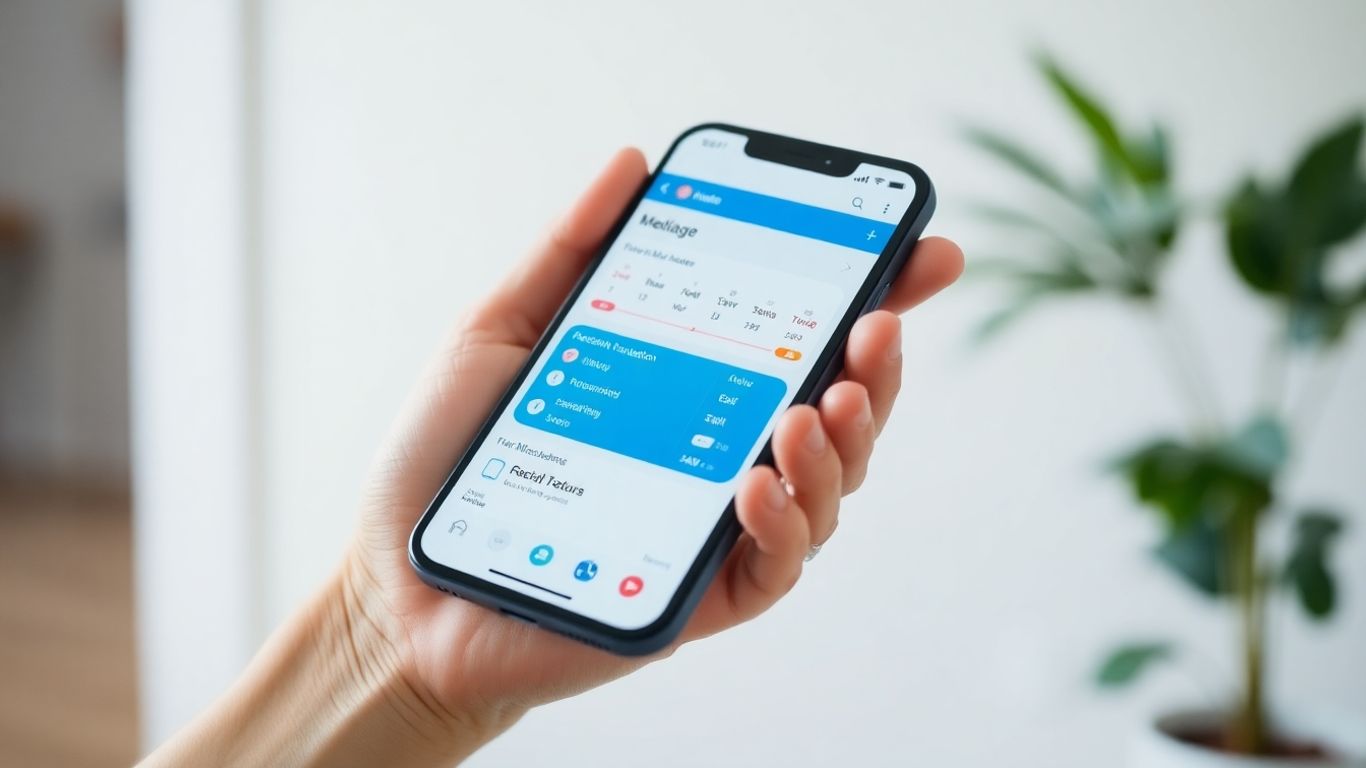
Okay, so let’s talk about medication management apps. These are basically digital helpers designed to keep your pill-taking on track. Think of them as your personal assistant for remembering when to take what, and how much. They’ve really become a big deal for people juggling multiple prescriptions or even just trying to stick to a daily vitamin routine.
These apps can seriously cut down on missed doses and accidental double-ups. They work by letting you input your medications, dosages, and schedules. Then, they send you reminders – usually a notification on your phone. Some are pretty basic, just buzzing you at the right time. Others are way more advanced.
Here’s a quick look at what most of these apps can do:
- Set Reminders: This is the core function. You get alerts when it’s time for your next dose.
- Track Adherence: You can mark doses as taken, skipped, or snoozed. This helps you see if you’re actually sticking to your plan.
- Refill Alerts: The app can remind you when you’re running low on a prescription, so you don’t run out unexpectedly.
- Drug Interaction Checks: Some of the smarter apps can flag potential issues if you’re taking multiple medications that might not play well together. Always double-check with your doctor or pharmacist on this, though!
- Symptom Logging: You can often record how you’re feeling, which can be super useful for doctor’s appointments.
Some apps even let you store prescription information, doctor’s contact details, and allergy notes all in one place. It’s like having a mini health record right on your phone. For anyone who finds remembering their medication schedule a bit of a challenge, these apps are a lifesaver. They take a lot of the mental load off, making it easier to just focus on getting better or staying healthy.
The best part about these apps is how customizable they are. You can usually tweak the reminder sounds, set different schedules for different meds, and even add notes about why you’re taking something or how it makes you feel. It’s all about making the system work for you and your specific needs.
4. Prescription Delivery Services
Okay, so you’ve got your prescriptions, but actually getting them can be a whole thing, right? That’s where prescription delivery services come in. They’re basically making it super easy to get your meds without leaving your couch. Think about it – no more waiting in line at the pharmacy, especially when you’re not feeling your best. These services are a game-changer for convenience and accessibility.
There are a few ways these services work. Some are tied directly to your local pharmacy, while others are standalone online pharmacies. You usually just upload your prescription, or your doctor sends it over electronically. Then, they package it up and send it right to your door. It’s pretty straightforward.
Here’s a quick rundown of what to expect:
- Speed: Depending on the service and your location, you can often get your meds within a day or two, sometimes even same-day.
- Cost: While some services might have a small delivery fee, many are free, especially if you have insurance or are ordering a larger quantity.
- Selection: You can get pretty much anything, from daily vitamins to specialized medications.
- Refills: Most services make refilling your prescriptions a breeze, often through an app or website.
It’s worth checking out what’s available in your area. Some people find that using a delivery service works best for their regular medications, while others might still pop into a local store for quick, over-the-counter stuff. It really just depends on what fits your life.
Getting your medications shouldn’t be a hassle. These services are designed to take that stress away, making it simpler to stick to your treatment plan. It’s all about making healthcare easier to manage from home.
If you’re looking to simplify how you get your prescriptions, exploring options like online pharmacies could be a really smart move. It’s just another way technology is helping us manage our health more easily.
5. Pharmacy Kiosks
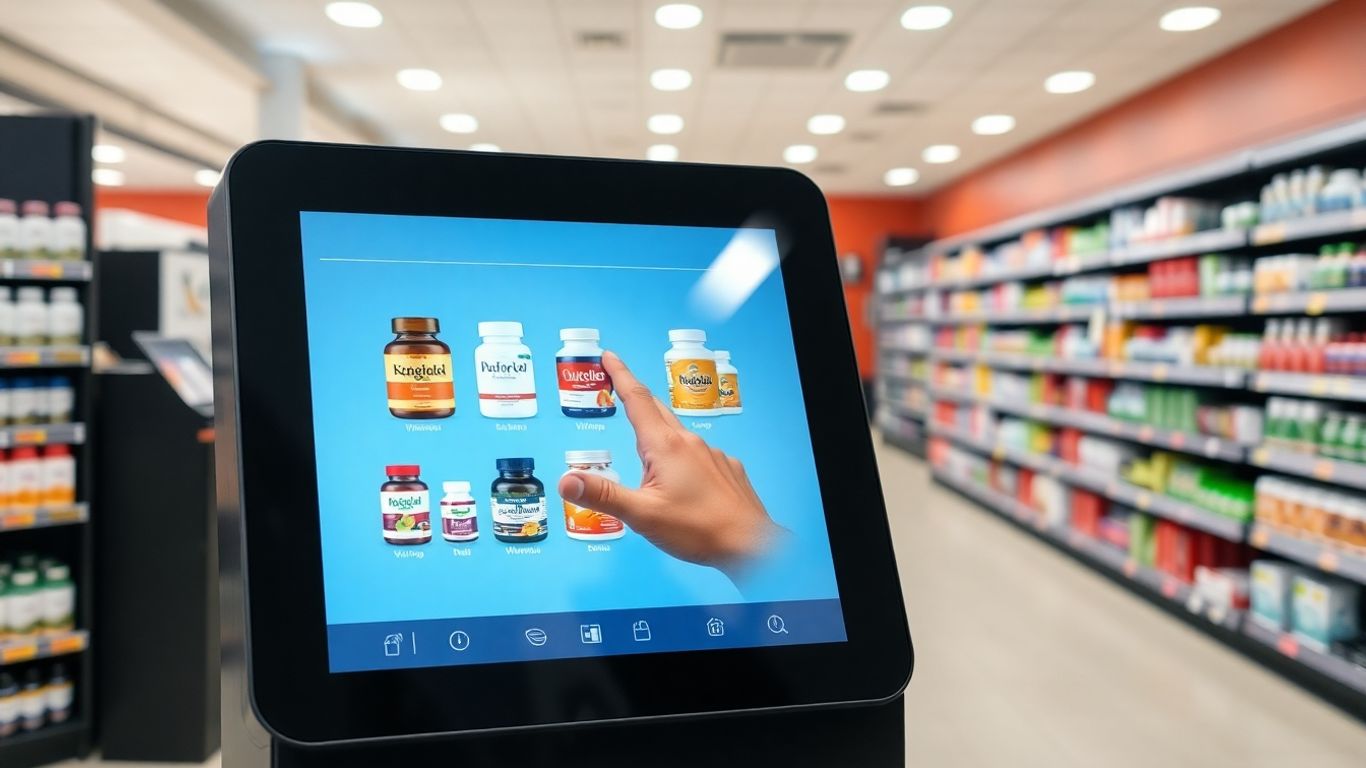
Pharmacy kiosks are popping up in places like grocery stores and shopping malls, making it easier to grab your prescriptions without a separate trip. Think of them as self-service stations for your meds. You can usually pick up refills, sometimes even get new prescriptions filled, and ask basic questions through a video link to a pharmacist. It’s a pretty neat way to save time, especially if you’re already out and about.
These machines are becoming a go-to for quick prescription pickups.
Here’s a quick rundown of what you can typically do at a pharmacy kiosk:
- Pick up pre-filled prescriptions.
- Request refills for existing medications.
- Connect with a pharmacist via video call for consultations.
- Sometimes, even get certain new prescriptions dispensed.
It’s all about convenience, right? No more waiting in long lines if you just need to grab something you’ve already ordered. They’re great for people who are busy or have trouble getting to a traditional pharmacy.
While kiosks are super handy for routine tasks, they aren’t a replacement for your regular pharmacist. For complex questions or when you need a more personal touch, a face-to-face chat is still the way to go. They’re a supplement, not a substitute.
Some kiosks even offer basic health screenings, like blood pressure checks, which is a nice bonus. The technology is getting better all the time, so we’ll likely see even more features added in the future. It’s a good example of how technology is making healthcare more accessible in everyday places.
6. In-Home Health Monitoring Devices
Okay, so we’ve talked about gadgets you actively use to manage your meds, but what about the stuff that just… watches you? That’s where in-home health monitoring devices come in. These aren’t your typical pill boxes; they’re more like silent guardians for your well-being, keeping tabs on various health metrics without you really having to do much.
Think of things like smart scales that track your weight and body composition, blood pressure cuffs that log your readings automatically, or even glucose monitors that send data straight to your phone. These devices are becoming super handy for keeping track of chronic conditions or just getting a general sense of how you’re doing day-to-day. They can spot trends you might miss and give your doctor a clearer picture of what’s going on between appointments.
Here’s a quick rundown of what you might find:
- Smart Scales: Beyond just weight, they can measure body fat, muscle mass, and water percentage. Some even sync with apps to show your progress over time.
- Connected Blood Pressure Monitors: No more scribbling down numbers. These devices store your readings and can often share them with your healthcare provider.
- Continuous Glucose Monitors (CGMs): For folks managing diabetes, CGMs are a game-changer, providing real-time blood sugar levels and alerts for highs or lows.
- Pulse Oximeters: These clip onto your finger to measure blood oxygen levels and heart rate, useful for respiratory issues or general fitness tracking.
It’s pretty neat how much data you can gather without needing to visit a clinic. It makes managing your health feel a lot more proactive, you know?
The real benefit here is the continuous stream of information. Instead of a snapshot from a doctor’s visit, you get a movie of your health, which can help catch problems early or confirm that things are stable. It’s all about having more information at your fingertips.
7. Wearable Health Trackers
Okay, so you’ve probably seen these things everywhere – smartwatches, fitness bands, the whole lot. Wearable health trackers are getting pretty sophisticated these days, and they’re not just for counting steps anymore. They can actually play a role in how you manage your supplements and overall health.
Think about it. Many of these devices can monitor things like your heart rate, sleep patterns, and even stress levels. This kind of data can give you a clearer picture of how your body is responding to different things, including the supplements you’re taking. For instance, if you’re trying a new supplement to help with sleep, your wearable might show you if your sleep quality is actually improving.
Here’s a quick look at what they can track:
- Heart rate and variability
- Sleep stages and duration
- Activity levels (steps, distance, calories burned)
- Blood oxygen levels (SpO2)
- Sometimes even skin temperature
This information isn’t just for bragging rights on your fitness app. It can help you and your doctor or pharmacist make more informed decisions about your supplement regimen. Maybe you notice your heart rate is consistently higher after taking a certain supplement – that’s useful info! Or perhaps your sleep tracker shows you’re getting more deep sleep since starting a magnesium supplement.
While these trackers are amazing tools, remember they aren’t medical devices. The data they provide is generally for informational purposes. Always talk to a healthcare professional before making any changes to your supplement routine based on wearable data.
Some advanced wearables are even starting to integrate with other health apps, making it easier to see all your health data in one place. It’s all about getting a more holistic view of your well-being, and these little gadgets on your wrist are becoming a bigger part of that picture.
8. Telehealth Platforms
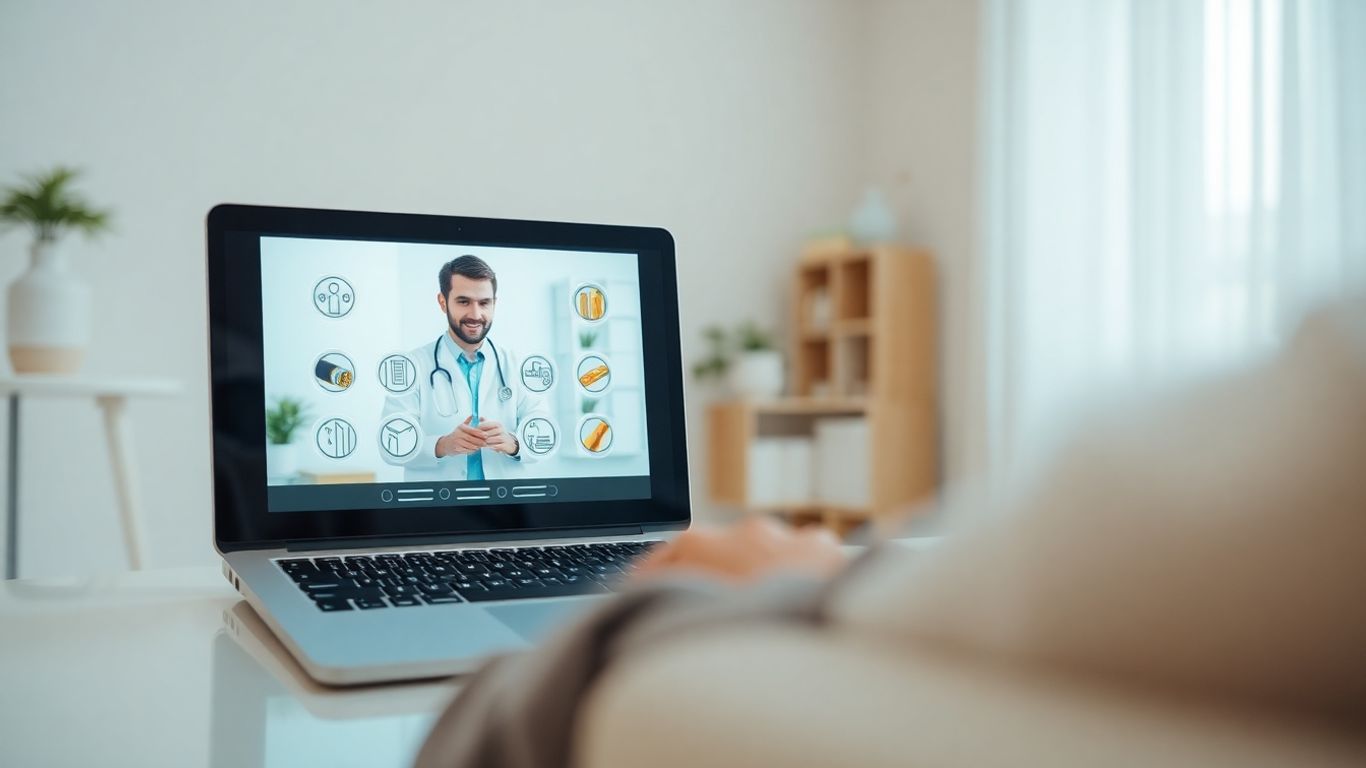
Okay, so telehealth platforms. These have really blown up, haven’t they? Basically, they’re like your doctor’s office, but online. You can chat with a healthcare provider through video calls, phone calls, or even secure messaging. It’s super handy for when you don’t need to be physically examined or when getting to the doctor’s office is a hassle.
Think about it: no more sitting in a waiting room for ages. You can get advice, prescriptions, and follow-ups right from your couch. This makes managing your health so much easier, especially if you’re juggling work, family, or just live far from a clinic.
Here’s a quick rundown of what they’re good for:
- Quick Consultations: Got a nagging cough or a rash you’re worried about? A telehealth visit can often sort it out without a full appointment.
- Prescription Refills: Need more of your regular meds? Many telehealth services can handle prescription renewals.
- Mental Health Support: Therapists and counselors are increasingly using telehealth, making mental health care more accessible.
- Chronic Condition Monitoring: For ongoing issues, you can have regular check-ins to make sure things are on track.
It’s all about making healthcare more convenient and accessible. You just need a decent internet connection and a device. Some platforms even integrate with other health apps or devices, which is pretty neat.
The biggest win here is cutting down on travel time and the potential exposure to germs in waiting rooms. It’s a game-changer for routine care and follow-ups.
9. Digital Health Wallets
Okay, so let’s talk about digital health wallets. Think of these like your regular wallet, but instead of cash and credit cards, it holds all your important health info. We’re talking about things like vaccination records, lab results, maybe even your prescription history. It’s basically a secure place to keep your health data right on your phone.
These wallets are becoming a bigger deal because they give you more control over your own health information. No more digging through old files or waiting for your doctor’s office to send you something. It’s all there, ready when you need it.
Here’s a quick look at what you might find in a digital health wallet:
- Proof of vaccination (like COVID-19 vaccine cards)
- Test results from labs
- Current medication lists
- Allergy information
- Basic health summaries
Using one is usually pretty straightforward. You’ll typically download an app, and then you can link it to healthcare providers or services that issue digital health records. They’re designed with security in mind, so your personal health details should be pretty safe. It’s a neat way to keep track of your health without the paper clutter.
The idea is to make managing your health information simpler and more accessible for you. It puts you in the driver’s seat when it comes to your personal health data, making it easier to share with doctors or other services when you need to, and keeping it private when you don’t.
While they’re still growing, these wallets are a pretty cool step towards a more connected and patient-centered approach to healthcare. It’s all about making your health journey a bit less complicated.
10. Electronic Health Records Systems
Okay, so Electronic Health Records (EHRs) might not be the first thing you think of when you hear ‘supplement dispensing,’ but stick with me here. These systems are basically the digital backbone of healthcare, holding all sorts of patient info. Think of them as the ultimate digital filing cabinet for your medical history.
While EHRs aren’t typically dispensing pills directly like an automated machine, they play a huge role behind the scenes. Doctors and nurses use them to see what medications you’re on, including any supplements. This is super important because it helps them avoid drug interactions or suggest supplements that might actually help your specific health situation. It’s all about having the complete picture.
Here’s how EHRs tie into supplement management:
- Doctor’s Orders: Your doctor can see if you’re taking supplements and note them down in your record. This way, everyone involved in your care knows what’s up.
- Interaction Checks: The system can flag potential issues if a supplement you’re taking clashes with a prescription. It’s like a built-in safety net.
- Personalized Advice: Based on your health data in the EHR, a doctor can give you more tailored advice on which supplements might be good for you, or which ones to avoid.
- Record Keeping: It keeps a tidy record of what you’ve been advised to take, making it easier to track your supplement journey over time.
EHRs are the digital brain of a doctor’s office or hospital. They store everything from your allergies to your past illnesses, and increasingly, they’re being used to track the supplements patients take. This helps make sure your supplement routine is safe and works well with your overall health plan.
Some EHR systems are even starting to integrate with other apps or devices that do dispense or track supplements. It’s a slow process, but the goal is to make sure all your health information, including what you take, is in one place and easily accessible to your care team. It’s all about making healthcare smarter and safer for you.
Electronic Health Records Systems, often called EHRs, are digital versions of patient charts. They make it easier for doctors and nurses to access your health history quickly and safely. This helps them make better decisions about your care. Want to learn more about how these systems work and their benefits? Visit our website today for all the details!
So, What's the Takeaway?
Alright, so we’ve looked at a bunch of ways to get your supplements out there in 2025. It’s not just about having good products anymore, right? How you get them to people matters a lot. Whether you’re a big company or just starting out, picking the right platform can really make a difference. Think about what you need most – is it speed, cost, or maybe reaching a specific group of customers? Don’t just pick the first thing you see. Take a moment, check out the options we talked about, and see what fits your situation best. Getting this part right means happier customers and a smoother operation for you. Good luck out there!
Frequently Asked Questions
What's the main reason to use a pill dispenser?
These gadgets help you remember to take your medicines on time and make sure you take the right amount. It’s like having a helpful reminder so you don’t miss a dose or accidentally take too much.
How are smart pill bottles different from regular ones?
Smart bottles track when you open them. Some can even send alerts to your phone if you forget to take your medicine, acting like a little guardian for your health.
Can apps really help me manage my pills?
Absolutely! Many apps let you set alarms for your meds, keep a list of what you’re taking, and even track if you’ve taken them. It puts all your medication info right in your pocket.
What's the deal with prescription delivery services?
These services bring your medicines right to your doorstep. It’s super convenient, especially if getting to the pharmacy is tough for you. They mail your prescriptions directly.
Are pharmacy kiosks like vending machines for medicine?
Kind of! You can often pick up prescriptions from these machines in places like grocery stores or airports. They offer a quick and easy way to get your meds without waiting in a long line.
How do in-home health monitors help with supplements?
While mainly for health checks, some of these devices can remind you about taking your supplements or vitamins as part of your daily routine. They help keep track of your overall well-being.
Can my smartwatch help me with supplements?
Yes! Some smartwatches can remind you to take your vitamins or other supplements. They are always with you, so they’re great for quick reminders throughout the day.
What is a digital health wallet?
Think of it as a secure digital place to store your health information, including what supplements you take. It makes it easy to share this info with doctors if needed, all kept safely on your phone.