
Key Takeaways
Starting a dropshipping store is a process that requires careful planning rather than a quick path to wealth. This article outlines the operational realities and strategic pivots necessary to build a viable e-commerce presence in the current market.
- Profitability depends heavily on balancing low margins with efficient customer acquisition.
- Niche selection must align with genuine market demand to reduce advertising waste.
- Hidden costs like transaction fees can erode net income if left unmanaged.
- Transitioning to a private label model significantly increases long-term competitiveness.
- Automation is essential for maintaining efficient order fulfillment as a store grows.
The reality of dropshipping profitability
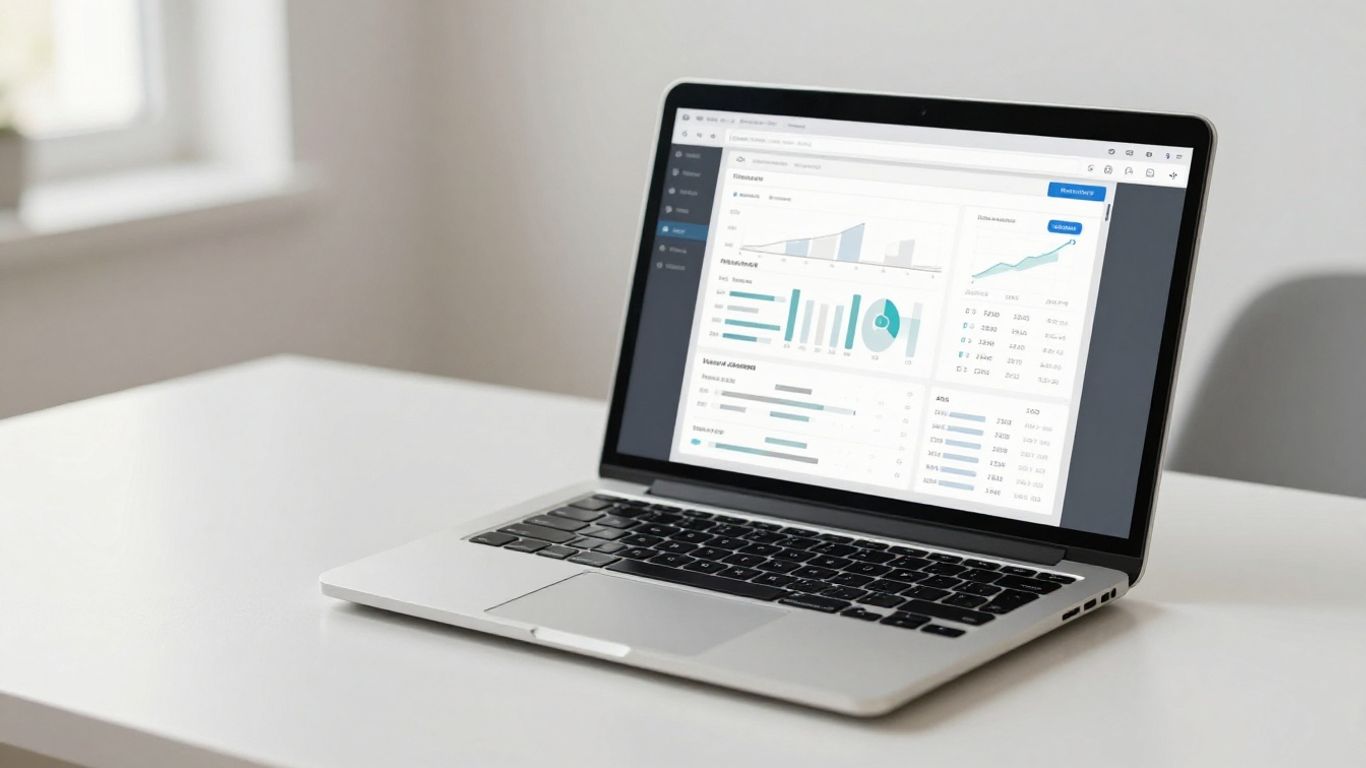
Many see dropshipping as an automated path to significant income, yet the daily management of an online store is far more nuanced. While the model removes the weight of managing physical warehouses, the reality involves thin margins that require aggressive cost control. Success often depends on how effectively a merchant manages their digital presence rather than the product selection alone.
Understanding profit margins vs. operating overhead
Profitability in this space is measured in percentages that are often smaller than traditional retail. Because you do not hold inventory, your overhead is primarily digital; however, these costs accumulate quickly through subscriptions, domain registrations, and monthly maintenance fees. To maximize take-home pay, one must carefully calculate the cost of goods against the final retail price after subtracting all recurring subscription costs.
Assessing the impact of market saturation
Saturation represents a hurdle for new entrants, yet it is rarely the death sentence many claim. The saturation of a market means customers have more options, placing a higher premium on your ability to create a compelling storefront and superior user experience. When a market is crowded, winning comes down to how well you can differentiate your store from the thousands of generic sites launching every day.
Managing customer acquisition costs in a competitive landscape
Rising advertising costs often serve as the biggest barrier to profitability for new dropshippers. Merchants must track their spending with extreme precision, adjusting their tactics based on real-time data to find the lowest possible cost per conversion.
| Expense Category | Typical Impact | Influence on Net Profit |
|---|---|---|
| Platform Subscriptions | Low Fixed Cost | Minor |
| Ad Spend | High Variable | Critical |
| Transaction Fees | Medium | Substantial |
By keeping a close eye on these categories, sellers can make informed financial decisions to keep their net margins in positive territory. Merchants who use business opportunities available often find that structured guidance helps simplify these early financial calculations effectively.
Critical factors that influence your income
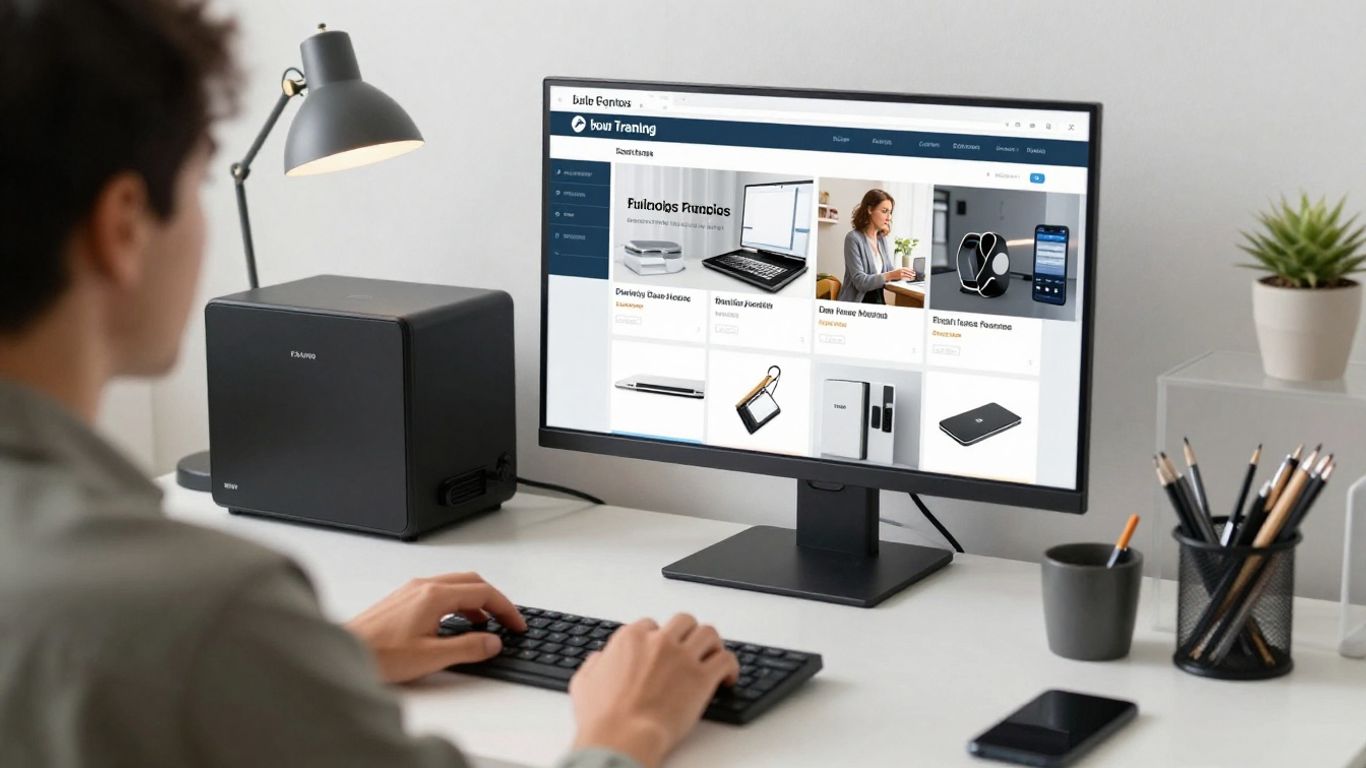
Income in the dropshipping world is never guaranteed, as it relies on a confluence of external market trends and internal operational efficiency. Your ability to adapt to shifting consumer interests determines whether your store experiences a seasonal spike or a steady, predictable path toward growth.
Strategic niche selection and current market trends
Finding a niche is not just about choosing a trending product but identifying a stable group of buyers who value the specific items you curate. Successful brands often look for products that offer a solution to a problem or cater to a hobby, ensuring demand remains consistent even when the broader market fluctuates.
Evaluating supplier reliability and shipping performance
At the heart of the business model is the supplier, whose efficiency determines the quality of the customer experience. A supplier that consistently ships items with tracking information allows you to avoid the frustration of lost packages and poor feedback. Building these relationships early is vital for maintaining the reputation of your business.
Optimizing your website for conversion rates
The speed and appearance of a website serve as the primary storefront in a digital-only economy. A site that loads quickly and displays product information clearly will naturally see higher conversion rates than one that is cluttered or difficult to navigate on mobile devices. When users reach your site, the path to checkout must be intuitive and free of unnecessary distractions.
Avoiding common financial pitfalls

Financial mistakes occur when sellers mistake gross revenue for actual profit early in their journey. A successful store must account for every expenditure, including those that are not immediately obvious when looking at the dashboard of your chosen platform.
Preventing overspending on early-stage paid advertising
It is common to burn through a significant budget testing different ad creative styles and platforms, hoping for an immediate return. A more sustainable approach involves spending small amounts first to test the resonance of your product messaging, then scaling only after you identify a clear pattern of customer interest and purchase intent.
Accounting for hidden platform and transaction fees
Every sale incurs a cost, from the transaction fees charged by payment gateways to the commissions on various sales channels. These fees are often overlooked until the end of the month, at which point they can reveal that many items were actually sold at a net loss. Maintaining a strict budget that accounts for these percentages is essential for long-term health.
Mitigating the impact of return and refund logistics
Handling refunds and returns within a dropshipping model is notoriously difficult because you must coordinate between the customer and the original supplier. Establishing a clear policy regarding these incidents can help set expectations and reduce the emotional labor of processing disputes. To manage these situations effectively, consider following these steps:
- Define clear return conditions in your store policy.
- Negotiate return terms with your main supplier in advance.
- Automate responses to status inquiries to save your time.
- Keep a reserve budget for occasional full refunds.
These practices protect your cash flow and keep your internal operations focused on revenue-generating tasks rather than firefighting customer complaints.
Scaling your dropshipping business for growth
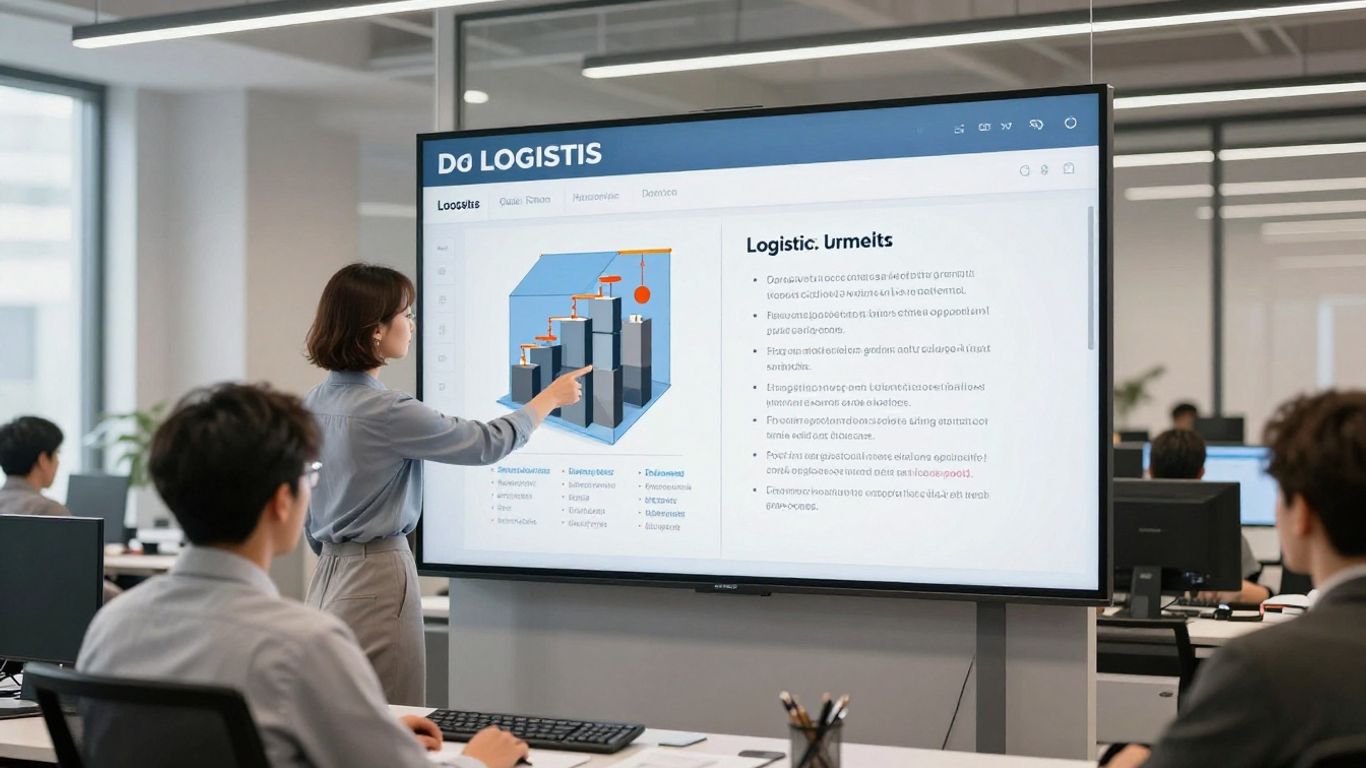
Growth is the phase where small stores transform into sustainable enterprises. Scale is not simply about doing more of the same, but about refining your systems so that your time is no longer the bottleneck limiting your potential earnings.
Moving from product testing to winning campaigns
Once a product proves successful with consistent sales, the strategy shifts toward aggressive optimization. This involves taking what worked in your initial tests—whether it was a specific headline or an image style—and applying it across broader segments and platform placements to reach more potential customers.
Automating routine order fulfillment processes
Manual entry of customer orders is a recipe for error and a waste of limited business hours. By linking your sales platform directly to your suppliers, you can ensure that thousands of orders move through the fulfillment pipeline without requiring your intervention for every single entry.
Building a distinct brand identity to increase customer lifetime value
A distinct brand identity is the difference between a one-time buyer and a returning customer. By curating a unique voice and aesthetic for your store, you build a connection with your audience that transcends a single transaction. This strategy is how successful stores thrive and how they justify higher price points for goods.
Long-term sustainability strategies
Transitioning from high-risk testing to a sustainable enterprise requires a long-term view of your assets. Sustainability is achieved when you stop acting as a temporary middleman and start providing genuine value to your customers through branding and refined logistics.
Transitioning from generic dropshipping to private labeling
Private labeling allows you to put your own mark on the products you sell, creating a sense of ownership that generic dropshipping lacks. When you work with manufacturers to customize the packaging or the product itself, you create barriers to entry that protect your margins against other stores selling similar inventory.
Developing direct, exclusive relationships with manufacturers
Generic suppliers are easily replaceable and often inconsistent, which is why forming exclusive partnerships is a natural next step for growth. By dealing directly with the source, you can demand higher quality control standards and more reliable shipping timelines, both of which improve your overall customer satisfaction rates.
Diversifying sales across multiple digital channels
Becoming too dependent on one source of traffic—such as a single social media platform—is a major risk to your business continuity. Successful stores diversify their presence by maintaining active channels across multiple networks, ensuring that if one platform changes its algorithm, the business remains stable and revenue continues to flow.
Conclusion
Can You Make Money with Dropshipping? The answer remains yes for those willing to treat the venture as a professional business rather than a passive income experiment. By focusing on customer retention, branding, and efficient financial management, you can navigate the complexities of this model and create a sustainable, profitable future.
Frequently Asked Questions
How much startup capital is typically required?
Minimal startup capital is possible, typically covering only merchant platform fees and a small testing budget, though having a buffer for unexpected costs is recommended.
Is it possible to run a store without paid advertising?
Organic traffic growth via content creation or community building is possible but often requires significantly more time to achieve scalable results compared to paid channels.
How long does it usually take to become profitable?
Timeline varies widely based on effort and niche selection, though most serious entrepreneurs spend several months in an experimentation phase before reaching consistent monthly profitability.
Are there specific skills needed to succeed?
Developing fundamental skills in digital marketing, basic data analysis, and copywriting will significantly improve your efficiency in managing a store’s operations.
Does the choice of e-commerce platform matter?
Choosing a platform that offers robust integration tools and reliable support helps streamline your daily tasks, which is critical when managing multiple products at once.
What are the main risks associated with dropshipping?
Operational risks primarily include poor supplier quality, long shipping times, and the potential for narrow profit margins to be consumed by unexpected overhead costs.
Can dropshippers build a brand identity?
Building a brand is highly encouraged, as it helps create customer loyalty, differentiates your shop in a crowded market, and supports higher long-term growth objectives.