
Key Takeaways
This article outlines the core operational strategies for individuals looking to build a business through the bHIP Global ecosystem. By focusing on direct sales and simplified logistics, entrepreneurs can focus on growth without the burden of traditional retail operations.
- The business model removes the need for physical inventory management for distributors.
- Global distribution networks allow participants to reach customers across multiple international markets.
- Products are designed for repeat purchase, fostering long-term customer relationships and stable demand.
- Digital tools provided through the back-office simplify lead tracking and sales management.
- Operational success relies on building authentic connections and leveraging provided training resources.
Understanding the fundamentals of the bHIP business model

Understanding the mechanics of modern direct sales requires looking at how companies bridge the gap between high-quality wellness products and global consumer demand. bHIP business models function by empowering individuals to act as independent distribution partners rather than traditional retail employees.
What is bHIP Global and its market focus?
bHIP Global operates as an international direct sales company that integrates advanced supplements with a scalable distribution architecture. Their core focus remains on providing wellness solutions that address modern vitality and health requirements without the complexity of traditional brick-and-mortar operations.
Defining the direct sales versus dropshipping model
Direct sales in this context emphasizes personal connection and education, while the dropshipping element removes the physical barriers of product transit. By separating the sale from the logistical delivery, the focus remains entirely on building a sustainable customer relationship.
The role of health and wellness products in the lineup
The product range is developed to ensure that consumers have consistent, measurable reasons to return for more. These items are crafted to serve needs such as daily nutrition and energy, which facilitates the growth of business opportunity for those willing to learn the ropes.
How the brand differentiates itself in the global market
Efficiency in global distribution sets this brand apart from local competitors. By scaling logistics alongside a community-based sales force, the company ensures that high-quality products are accessible regardless of the partner’s geographic location.
How the bHIP dropshipping process actually works

Logistics in a modern direct sales environment depend on removing friction between the initial sale and the final delivery for the consumer. When you ask how the system manages volume, the answer lies in a centralized infrastructure that handles every physical asset from production to doorstep delivery.
The distributor's role in the supply chain
The distributor operates as the client-facing representative who handles marketing and education. By positioning themselves as product experts, they connect consumers to the inventory stored in company-controlled facilities, eliminating the need to stack boxes in a home garage.
Step-by-step order journey from customer to warehouse
Once a purchase is finalized through your unique portal, the information moves through a streamlined flow. This path ensures that the consumer receives their products promptly while you, as the partner, capture the relevant commission.
- The customer places an order via your provided store link.
- The system verifies product availability at the nearest regional center.
- The warehouse team processes, packs, and labels the shipment.
- Courier services handle the transit to the customer’s address.
Following this path, the transaction is closed out efficiently without additional labor from the distributor.
Automated logistics integration for distributors
Technology handles the heavy lifting by syncing stock levels with the digital store. This keeps you informed about availability in real-time, which is a huge benefit for time-constrained entrepreneurs looking to grow their reach without manual data entry.
Managing shipping expectations for global customers
Transparency defines the shipping experience when operating internationally. Providing accurate timelines allows the customer to trust the process, directly influencing their willingness to reorder products in the future.
Starting your journey as a bHIP independent distributor
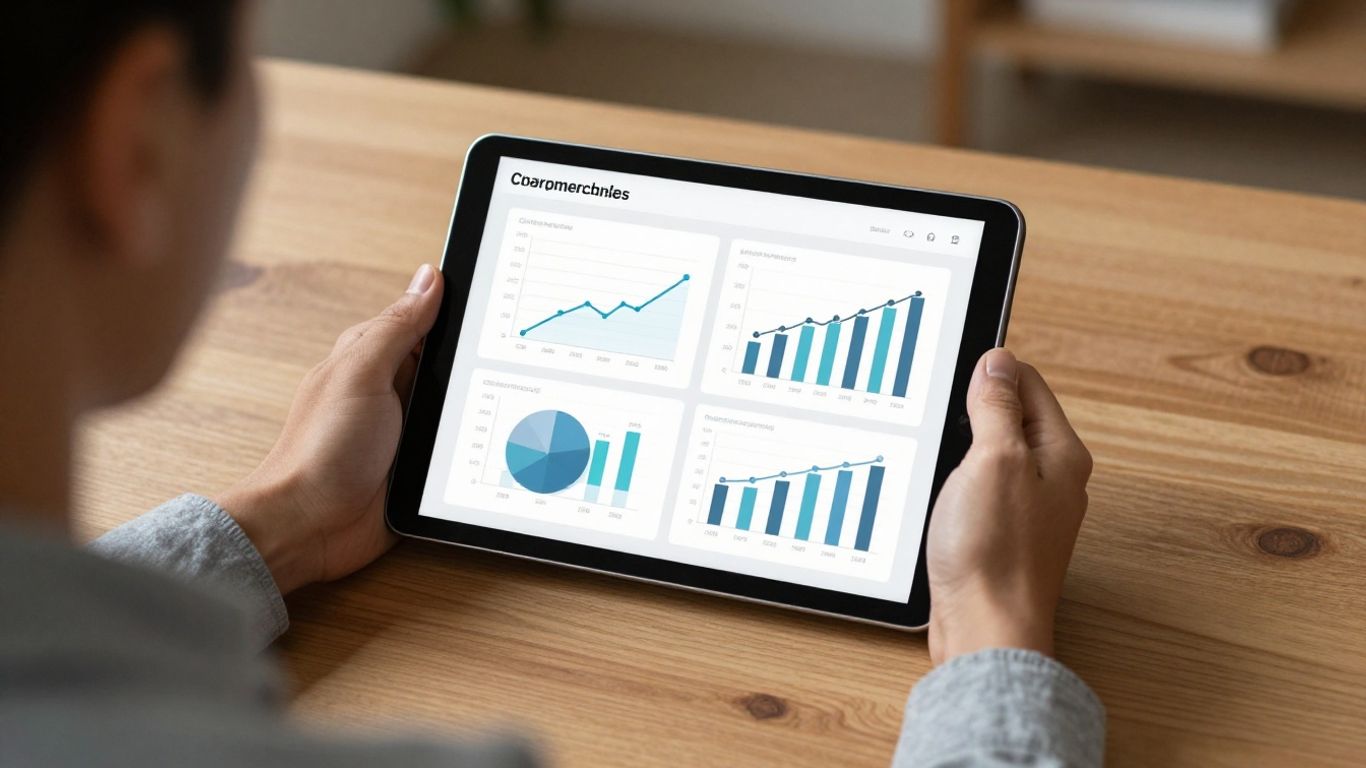
Launching a new venture requires understanding the structural baseline the company provides for its partners. By choosing to register, you gain access to a platform designed to consolidate your business tasks into one manageable dashboard that tracks performance and growth.
Enrollment processes and starter kits
Getting started begins with selecting a starter kit that aligns with your initial business goals. These bundles provide the essential materials needed to begin discussing products with potential customers comfortably and effectively.
Understanding membership tiers and distributor requirements
Your tier level often dictates the breadth of your market reach and the depth of your commission eligibility. Understanding these classifications early on helps in setting clear, attainable milestones within the ecosystem.
Accessing the back-office tools and dashboards
The digital environment provided to you centralizes everything necessary, from training modules to your personal sales performance metrics. This is your command center for day-to-day operations and team management tasks.
Compliance and ethical operational standards
Adhering to company guidelines ensures that the entire sales network maintains its reputation and integrity. Transparency with your customer base is the bedrock of long-term sustainability for every independent partner.
Managing inventory and order fulfillment logistics

Reducing the overhead that comes with traditional commerce is one of the primary drivers for those exploring this model. By relying on centralized fulfillment, you free yourself from the risks that come with holding stock and dealing with the inevitable depreciation of physical goods.
How the company handles physical stock
Centralized supply centers are specifically designed to manage high volumes and diverse international demand. This concentration of resources minimizes error rates compared to distributed inventory systems handled by individual sellers.
Minimizing storage overhead for independent partners
By keeping inventory at the warehouse, the financial burden of large-scale storage is entirely removed from your plate, allowing your capital to be invested in marketing rather than warehouse leasing.
Through careful management of these logistics, partners can view their overhead costs through a comparison table.
| Item Type | Traditional Business | bHIP Model |
|---|---|---|
| Rent Costs | High | N/A |
| Storage Needs | Heavy | Zero |
| Logistics Risk | High | Very Low |
By leveraging this model, you focus solely on results instead of administrative infrastructure.
Tracking shipments and handling customer inquiries
Digital tracking tools enable you to assist your customers by providing real-time data on their order status. Proactive communication regarding shipment updates significantly elevates the customer’s overall experience with the brand.
Returning items and managing customer satisfaction
Handling returns efficiently preserves trust even when a product does not meet initial expectations. Having a structured policy keeps the distributor’s role focused on relationship maintenance rather than bureaucratic troubleshooting.
Compensation plans and earning potential in the bHIP ecosystem
Earning potential is shaped by a structured compensation plan that connects your output directly to the business performance. Participants often start with retail-focused sales and later expand into team-building roles that introduce diverse income paths based on organizational growth.
Commission structures on direct product sales
Commission is earned whenever a customer completes a purchase through your assigned channel. This model guarantees that you are compensated for your ability to drive successful transactions within the network.
Building a team and passive income possibilities
Expanding your reach involves mentoring others to adopt the same principles of the business model. As your team grows, the collective volume generated can lead to diversified earning metrics, which requires consistent education and leadership development.
Incentives and global rewards programs
Beyond basic commissions, the company often rolls out rewards to recognize high performance and persistent growth. These programs serve to keep the community motivated while rewarding those who display long-term effort and loyalty to the brand.
Understanding the payment cycles and tax considerations
Regular payment cycles allow you to plan your financial life around consistent business income. As with any independent business venture, keeping precise records for tax purposes is a requirement for responsible management.
Marketing and lead generation strategies for dropshippers
Successful marketing for dropshippers involves crafting a persona that resonates with target customers seeking wellness improvement. Authenticity is the bridge that connects the products to the needs of your prospective audience.
Leveraging social media for brand visibility
Social platforms provide the space to demonstrate how products integrate into healthy, everyday routines. By showing, rather than telling, you create a visual narrative that makes the value of the products clear to your followers.
Creating authentic content around wellness products
Content should prioritize utility and personal experience to stand out in a saturated digital feed. Sharing how the products have impacted your personal routine provides the genuine weight that potential customers are looking for.
Targeting niche markets for effective product positioning
Refining your audience allows you to tailor your message to those who are most likely to find value in the specific wellness solutions you represent. This specificity makes your efforts far more effective than trying to appeal to a broad, undefined group.
Best practices for ethical affiliate marketing
Always maintain full disclosure and honesty in every interaction you have with your audience. Ethical promotion is a safeguard against churn and helps you build a reputation that invites repeat customers back to your portal for years.
Conclusion
Mastering how the system operates requires a balance of diligent product knowledge and consistent digital engagement. By adhering to these strategies and leveraging the company’s existing logistics, entrepreneurs can build sustainable businesses focused on long-term growth and customer wellness.
Frequently Asked Questions
How does the business model support growth?
Direct sales provide a flexible path to business ownership by allowing participants to focus on marketing while the company handles production and shipping infrastructure.
Is the model viable for beginners?
Many entrepreneurs join with little experience, finding that standardized training tools and centralized business support reduce the initial learning curve significantly.
How are product shipments managed?
Fulfillment is handled by centralized warehouses that organize, pack, and send orders directly to the customer, removing the need for distributors to manage physical stock.
What represents the biggest challenge for new partners?
Consistency in lead generation and building an authentic presence on digital platforms often requires the most time and disciplined effort in the early stages.
Can participants reach global markets?
The infrastructure is designed for international commerce, permitting partners to manage customers in various regions through a unified digital interface.
How is income generated?
Distributors generate primary income through retail commissions, with additional opportunities available for those who successfully develop and train distribution teams.
Is the business model strictly for social media?
While digital platforms are useful for visibility, the model also encourages building real-world relationships and localized communities through workshops and educational events.