
Key Takeaways
Dropshipping is a retail model where a store sells products without keeping them in inventory, relying on a third-party supplier for fulfillment. While it is a legitimate business method, its reputation is often tarnished by unethical practices and unrealistic promises found online.
- Dropshipping is a common model for starting an e-commerce venture without large capital.
- Quality control and shipping delays are the most significant hurdles for store owners.
- Success requires diligent supplier vetting rather than relying on automated inventory tools.
- Many claims of quick wealth are misleading and do not reflect the reality of retail.
- Transparency in operations is essential to building long-term customer trust and brand loyalty.
What exactly is dropshipping?
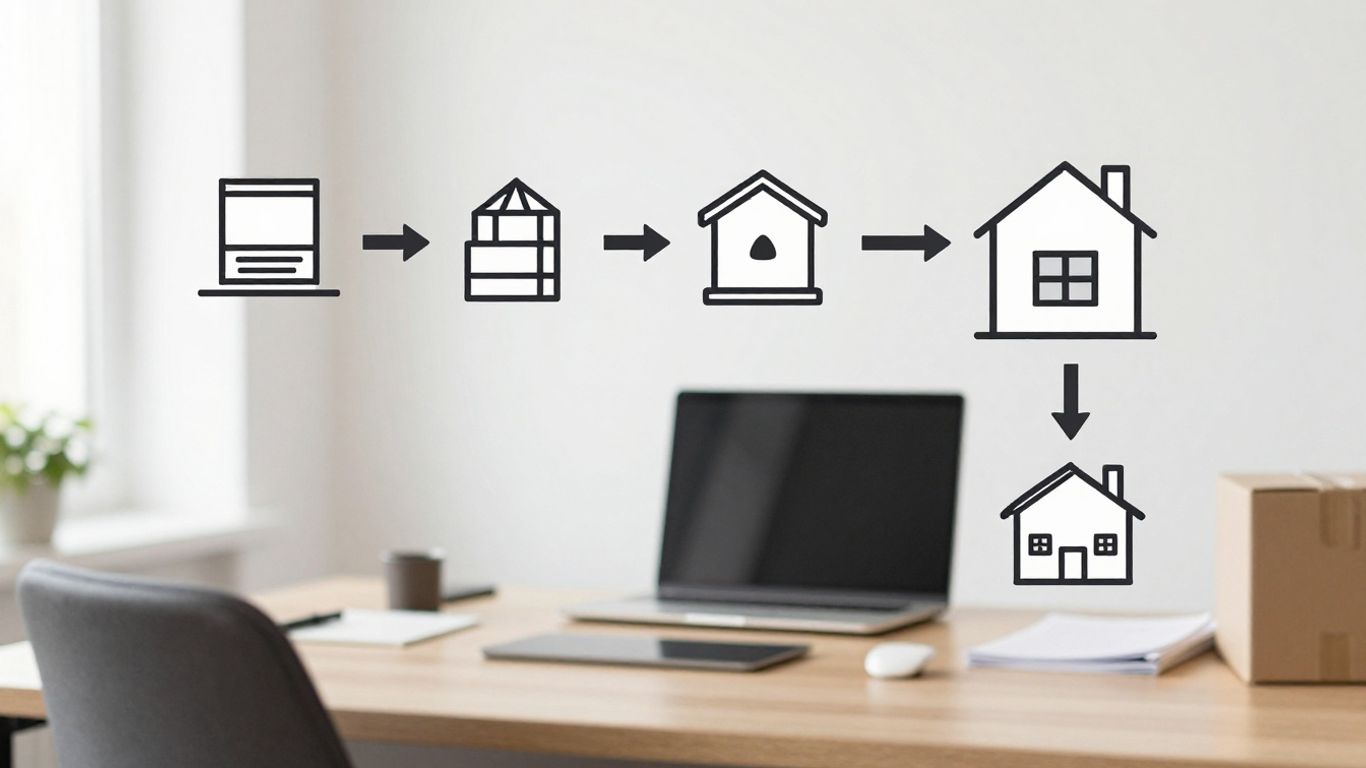
Dropshipping is a fulfillment method where a retailer partners with a supplier to ship products directly to customers. Instead of purchasing bulk inventory upfront, the store owner acts as a storefront for items held by the third party. When a consumer makes a purchase, the order data is transferred to the supplier, who then packages and dispatches the item to the final destination.
Defining the retail fulfillment model
At its core, this model allows an entrepreneur to focus on marketing and customer service while removing the logistical headache of warehousing. The retailer manages the digital storefront, ensuring the user experience is smooth, while the supplier maintains the physical stock and shipping infrastructure.
Key players in the supply chain
Three distinct entities drive this process: the shopper, the intermediary e-commerce site, and the fulfillment warehouse. Each party has a specific responsibility, and the breakdown of these roles ensures that goods transit from a factory floor to a residential doorstep without the middleman ever physically touching the item.
How money moves between customer, retailer, and supplier
Financial transactions occur in a specific sequence to maintain liquidity for the retailer. Once a customer pays for an item, those funds cover the wholesale cost and the shipping fees, leaving the remainder as the profit margin.
| Process Step | Action | Responsibility |
|---|---|---|
| Payment | Sale completed on site | Retailer Collects |
| Wholesale | Funds sent to supplier | Retailer Pays |
| Fulfillment | Shipping label created | Supplier Ships |
This flow demonstrates why retailers must maintain their own cash flow, ensuring they have the means to pay suppliers before the customer’s payment fully clears into their bank accounts.
Why do people call dropshipping a scam?

Many skeptics ask: Is Dropshipping a Scam? The confusion stems from the prevalence of unethical actors who prioritize short-term profit over customer satisfaction. Because anyone can launch a store with minimal investment, some individuals treat the process as a way to exploit buyers with poor-quality goods or entirely nonexistent products.
History of low-quality supplier complaints
Early adopters of this model faced significant backlash when they relied on unvetted international sources that prioritized quantity over quality. Customers frequently received items that failed to match the advertised photos, causing them to associate the entire industry with deceptive practices.
The role of get-rich-quick content creators
Online influencers often market dropshipping as an effortless path to massive income, which sets unrealistic expectations for beginners. These creators often sell courses that omit the heavy operational load needed to actually succeed, leaving new store owners to fail when they discover the reality of thin margins and intense competition.
Common misconceptions regarding brand value
There is a false assumption that branding is impossible in a dropship model, leading many to believe that anonymous selling is the only path forward. In reality, successful entrepreneurs use this model to build a lasting identity by curating specific collections that offer genuine value to their local communities.
Real risks and challenges for new entrepreneurs
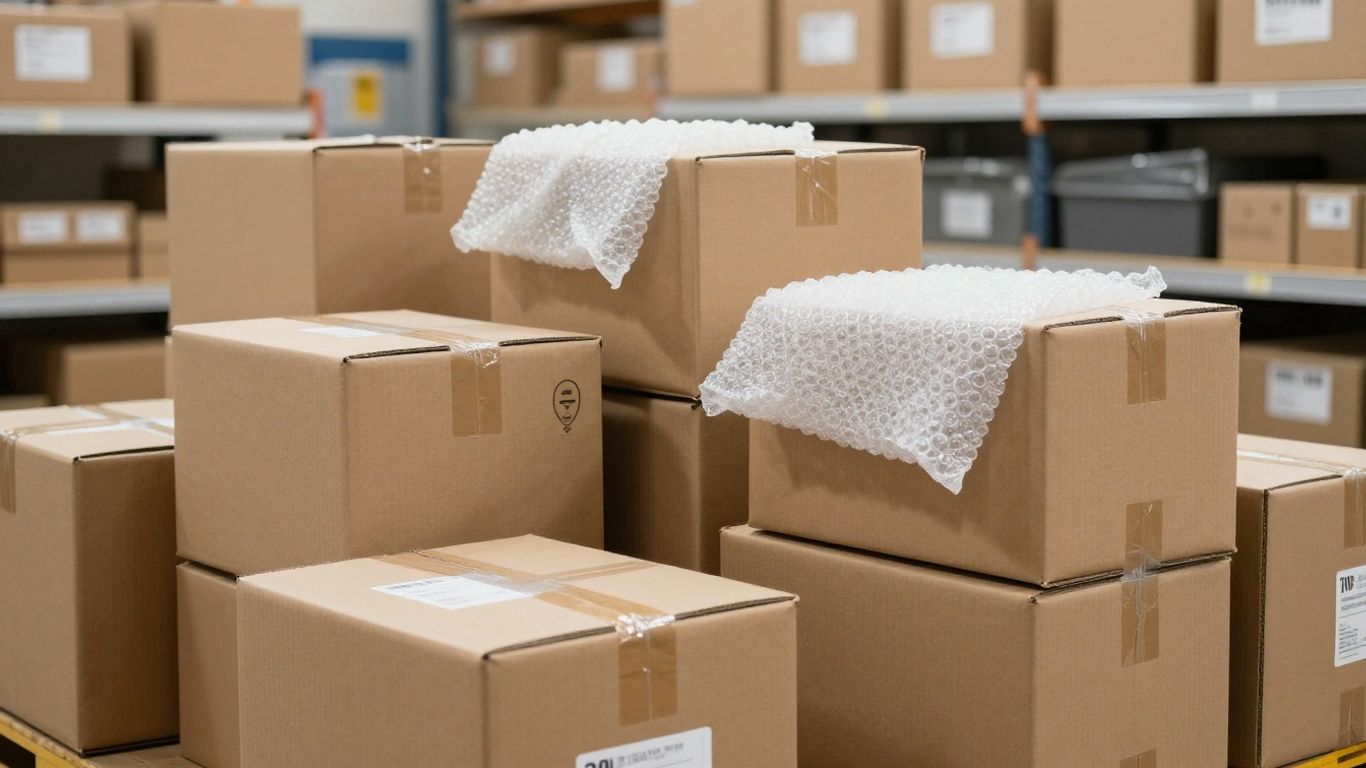
Launching an e-commerce site brings several hurdles that seasoned professionals must manage with precision. Without the ability to inspect inventory, shop owners often face reputational damage if a supplier ships a damaged item or ignores shipping deadlines. Success requires starting an online business with a focus on stable supply chains.
Lack of control over product quality and shipping times
Delegating fulfillment to a third party means you are beholden to their operational standards, which can vary wildly. Developing a robust verification process is the only way to avoid the risks associated with blind dropshipping.
Thin profit margins due to intense competition
Because the barriers to entry are low, the marketplace is frequently saturated with identical products from multiple shops. Retailers often find themselves locked in a race to the bottom on price, which leaves very little room for advertising, overhead, or unexpected customer service costs.
Navigating complex customer service expectations
Customers expect immediate updates and professional resolutions when something goes wrong with their order. The retailer is the face of the business, meaning they are the ones who handle the frustration even when the error occurred entirely on the supplier’s side.
Common pitfalls that look like scams

Distinguishing a legitimate business from a predatory scheme is a vital skill for anyone entering the retail space. Many operations fail not because they are inherently fraudulent, but because they succumb to poor planning, such as relying on dishonest vendors who promise features they cannot deliver.
Misleading advertising and false business claims
Some businesses promise delivery times that reality makes impossible, leading to a flood of refund requests and chargebacks. Transparency in shipping expectations is a hallmark of a reputable seller, unlike those who use deceptive copy to lure buyers into a purchase they will later regret.
Unreliable suppliers and fake inventory dashboards
New sellers should be wary of tools that show fake inventory counts to create artificial scarcity. If you cannot get a verified connection to actual product stock, you are likely working with a middleman who has no real control over the item, creating a significant risk for your operations.
Overpriced courses and predatory mentorship programs
Many newcomers are sold excessive mentorship packages that provide generic advice at a high cost. These programs rarely teach the fundamentals of business growth, and instead focus on recruiting more students into their own ecosystem, which creates a cycle of false success stories and wasted money.
How to build a legitimate dropshipping business
Building a sound business requires discipline, research, and a commitment to transparency that sets you apart from the crowd. You must find suppliers who value their reputation as much as you value yours, ensuring that everything from the initial order to the customer follow-up is handled with care.
Choosing a sustainable, value-driven niche
Instead of chasing trends that change every week, focus on industries that have a steady, long-term demand. When you serve a specific audience well, you build a foundation that survives as the market evolves.
Vetting suppliers for reliability and communication
Effective owners treat suppliers like business partners, not just utility providers. Before you commit to a partnership, request a phone call or a video chat so you can gauge their professionalism and willingness to support your business requirements.
Prioritizing verified inventory and sample testing
Never assume an item matches the description provided on a database. You should consistently order samples to ensure the quality aligns with what you promise your customers, using those samples for your own high-quality marketing photography.
Complying with international consumer protection laws
Global trade involves complex regulations regarding returns, duties, and data privacy. A professional retailer takes these legal requirements seriously, ensuring they have clear policies in place that protect both their business and the people who purchase from them.
Evaluating the future of the dropshipping model
As the industry matures, the expectations of the typical buyer continue to shift toward higher transparency. The era of anonymous, dropshipped goods is being replaced by brands that focus on specific narratives and a clear connection between the brand’s values and the products they present.
Why modern consumers demand transparent shipping
Shoppers are increasingly aware of where their products come from and how long they take to arrive. Businesses that hide their shipping origins or lie about arrival dates will struggle to earn the trust of a savvy consumer base that prioritizes honesty.
The shift toward private labeling and white labeling
Many store owners are now moving away from generic products in favor of items they can customize with their own branding. By adding their own design or packaging, they convert a generic supply chain into a unique identity that cannot be found elsewhere online.
Leveraging automation tools for operational honesty
New software allows for better tracking of fulfillment data and more accurate communication with customers at every stage. Technology should be used to provide clarity rather than to hide the realities of the supply chain, as modern customers appreciate knowing exactly where their order is at any given time.
Conclusion
Dropshipping is neither a guaranteed path to wealth nor an inherently dishonest practice, but rather a flexible model that depends entirely on the integrity of the person running the store. By focusing on quality product selection, clear communication, and professional supplier relationships, entrepreneurs can build real brands that serve their audience effectively.
Frequently Asked Questions
Is dropshipping considered illegal?
No, dropshipping is a standard, legal retail method that is used by companies all over the world to operate e-commerce sites without managing physical warehousing.
Does dropshipping require a large budget to start?
Starting a business under this model is cheaper than traditional retail because you do not need to buy initial inventory, but you still need funds for marketing, software, and domain services.
How do I handle returns in a dropshipping model?
Returns are managed by establishing a clear return policy with your supplier beforehand, ensuring that you know how to process items that arrive damaged or incorrect.
Can I brand my products when dropshipping?
Yes, many suppliers offer support for private labeling, which allows you to place your own logos or custom packaging on the products before they are shipped to your customers.
Is it hard to compete with massive retailers?
It is difficult to match the shipping times of the world’s largest stores, so successful retailers usually succeed by focusing on specific niches rather than trying to provide everything for everyone.
What is the most important skill for a dropshipper?
Marketing and customer relationship management are usually the most critical skills, as they allow you to build a community and retain customers despite the operational dependencies.
Why do some people fail at dropshipping?
The most common reasons for failure are poor niche selection, inadequate vetting of suppliers, and insufficient attention to real customer service and brand quality.
If you are ready to learn more about starting your own journey, visit the Business Opportunity page to explore how you can build a sustainable brand.