
Key Takeaways
Starting an online business is more accessible than ever, even without the burden of storing physical inventory. Here are the essential components for launching your venture:
- Dropshipping allows you to sell goods without upfront investment in storage or inventory.
- Success depends on identifying a high-demand niche and conducting thorough market research.
- Vetting suppliers is mandatory to ensure product quality and reliable shipping timelines to your customers.
- An automated e-commerce storefront is the engine that drives daily orders and customer trust.
- Strategic marketing and operational discipline are required to scale your business over the long term.
Understanding the dropshipping model

The dropshipping model has transformed how thousands of independent entrepreneurs enter the retail market every single year. By eliminating the physical warehouse and the need to manage inventory, you can focus entirely on customer acquisition and building a brand. This streamlined approach minimizes the financial risk associated with traditional retail while allowing you to test various product lines with minimal capital expenditure at start your journey.
How dropshipping works in practice
The fundamental mechanism of this model relies on the relationship between the store owner and the external supplier. When a customer places an order on your website, you automatically or manually transmit that order information to your supplier. The supplier then processes the request, packages the item, and ships it directly to the customer without your intervention. This leaves you to handle site management rather than manual storage tasks.
Core benefits of an inventory-free business
One of the most obvious advantages is the reduction of overhead costs, as you are not paying for warehouse space or logistics personnel. Entrepreneurs gain the ability to offer a broader range of Bhip products without needing to forecast demand or purchase bulk stock beforehand. This model provides the agility to pivot between categories as market trends evolve, keeping your business model light and responsive to consumer preferences.
Addressing common misconceptions about the model
A common myth is that this business model requires no effort at all, but success hinges entirely on your ability to curate a quality experience. While you do not touch the physical boxes, you are still legally and operationally responsible for the final outcome of the transaction in the eyes of the consumer. Successful dropshippers spend significant time curating their selections and ensuring the supply side is robust enough to handle the volume they drive.
Selecting a profitable niche

Choosing a niche is perhaps the most important decision you will make in the initial stages of your online store launch. If you try to appeal to everyone, you will often find it difficult to compete with established giants that have massive advertising budgets. By focusing on a specific area, you can communicate more directly with your audience and curate a selection of goods that genuinely solve their problems or address their desires.
Using research tools to identify market trends
Data-driven decision-making removes the guesswork from selecting a category or specific item to sell. Utilizing platforms that aggregate search volumes and social media mentions gives you a clear indication of what people are actively looking for today. When you align your shop with existing demand, you reduce the time and expense required to educate the market on why they should look at your current Bhip business offerings.
Balancing personal interests with high-demand products
While market trends are critical, passion often drives the longevity of a small business venture beyond the initial launch phase. It is easier to write compelling marketing copy and engage with customers when you actually understand the products you are selling. Aim for a intersection—a point where high-demand goods collide with your genuine interests, making your brand more authentic.
Analyzing competitive landscapes for long-term viability
Understanding the intensity of competition in your chosen sector is just as key as identifying the demand. If a niche is flooded with high-performing competitors, you need to find a unique angle, such as better content or superior customer support. Look for saturated areas and think about how you can improve the buying experience or offer a more curated selection to stand out in the minds of your shoppers.
Finding and vetting reliable suppliers
The quality of your business is directly tied to the performance and professionalism of the suppliers you choose. A great looking store will quickly fail if the products arrive late, are damaged, or are of lower quality than advertised in your descriptions. Taking the time to rigorously vet these partners is the primary insurance policy for your store’s reputation in the competitive e-commerce sector.
Top platforms for sourcing products and partners
Finding reliable partners usually starts with a search through specialized marketplaces that connect store owners with manufacturers. These platforms allow you to see reviews from other store owners who have already tested the supplier, providing a layer of transparency. Look for indicators like long-term reliability scores, responsive communication, and a clear history of fulfilling orders without significant delays.
Key red flags to avoid when selecting a supplier
If a supplier is vague about their manufacturing process or cannot answer basic questions about shipping times, you should consider that a significant warning sign. Poor communication at the start of a business relationship rarely improves once you begin sending them actual customer orders. Watch out for those who refuse to provide proof of their quality standards or those who do not have a transparent policy for how they handle manufacturing irregularities.
The critical importance of ordering product samples
Never start selling a product to a customer before you have inspected it personally at your own location. This step allows you to judge the build quality, the packaging, and the actual transit time from when you submit the order to when it lands at your door. You need to be confident that the product reflects the quality you want to associate with your brand identity.
Setting up your e-commerce storefront
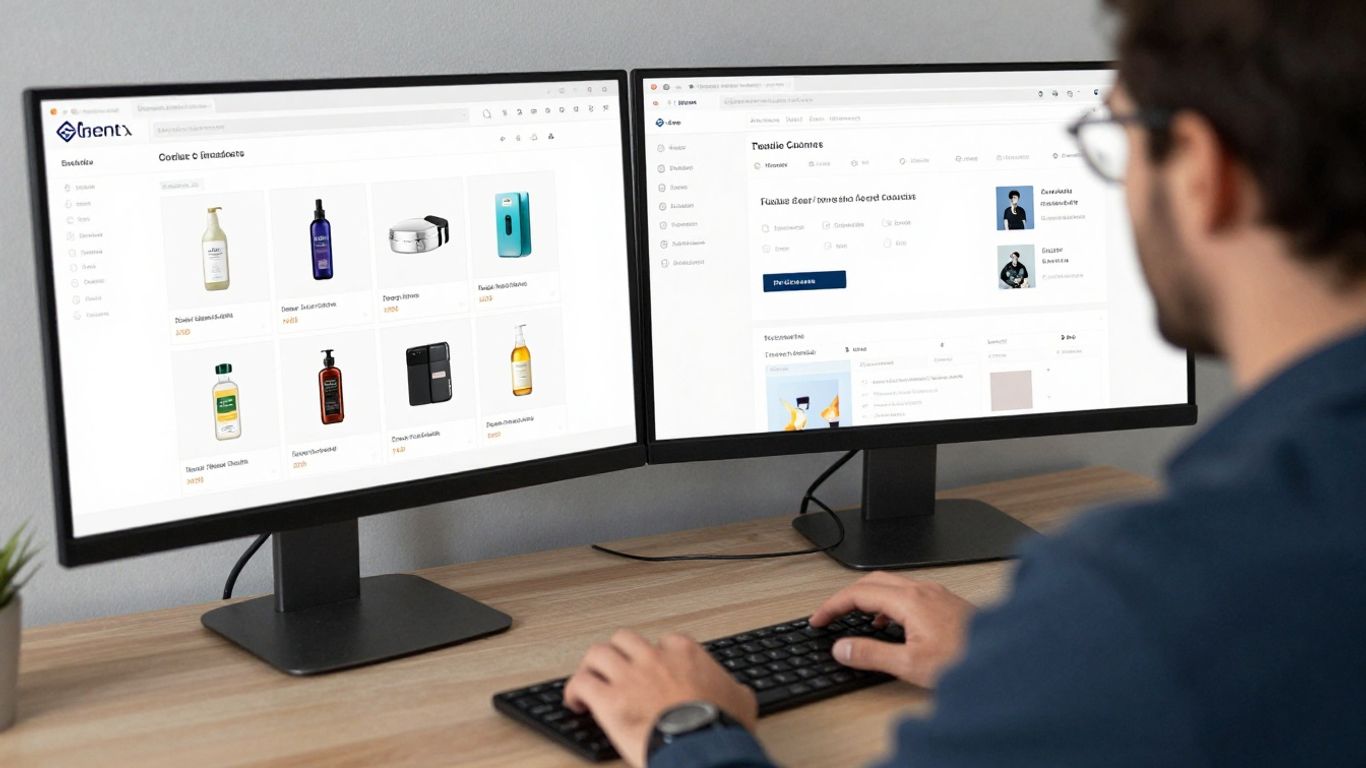
Your digital store serves as the primary touchpoint between your business and your target audience. The architectural choices you make during the design phase impact not only how many people browse your items but also how many of them actually complete a purchase. Consistency in design, clear navigation, and a secure checkout process are universal necessities for every modern entrepreneur.
Choosing the right platform for your business goals
Selecting software that allows for growth is vital, especially when you are just beginning to build out your catalog. Look for platforms that offer integration with various suppliers, allowing you to sync your inventory list easily with their backend systems. A platform that can scale alongside your volume will save you countless manual hours as your traffic increases through the year.
Designing a user-friendly and trustworthy interface
Visual trust is formed within seconds of a visitor landing on your page, so prioritize clear typography and high-quality photography. Ensure that your policies are easy to find and that your call-to-action buttons are prominent without being intrusive. A clean interface that loads quickly keeps visitors engaged and encourages them to explore more of your store rather than bouncing to another site.
Integrating automated tools for order fulfillment
Automation is the primary way you ensure your business remains profitable rather than becoming an administrative burden. Utilize tools that automatically send tracking numbers to your customers as soon as the supplier provides them. When your back-end tools communicate effectively, you minimize human error and provide a transparent shopping experience that leads to repeat buyers.
Implementing effective marketing strategies
Marketing is the engine of your business, and it requires sustained focus throughout every phase of your retail journey. Without a deliberate plan to get eyes on your products, even the most optimized storefront will remain silent. The key is to blend different types of traffic acquisition to ensure you are not overly dependent on a single channel for your daily sales.
Driving organic traffic through SEO and content
Building authority through helpful content is one of the most effective ways to attract potential customers over the long term. By answering common questions related to your niche, you can rank in search results and capture interest from a highly relevant audience. While this method takes time to show results, the traffic you earn is often much more sustainable.
Utilizing social media advertising for brand growth
Paid social ads allow you to target specific demographics that are most likely to convert based on their interests and online behavior. Start with a modest budget and test different creative assets to see what captures the attention of your audience best. Use the data from these experiments to refine your messaging and improve your conversion rates as you scale your spend.
Building customer retention with email marketing
Email marketing is your direct line to customers who have already interacted with your store. Offering value through helpful tips or curated product suggestions keeps your brand relevant in their minds and encourages them to make a return purchase. Think of this as the digital version of a personal customer relationship, which is vital for long-term stability.
Managing operations and customer service
Efficiency at scale is the difference between a side project and a genuine, profitable enterprise. As order volumes climb, the cracks in a manual system often begin to show, potentially hurting your store’s reputation. Proactively managing your backend prevents disaster by establishing clear protocols for every stage of the post-purchase process.
Setting realistic shipping expectations with customers
Honesty regarding delivery timelines is one of the easiest ways to prevent service-related friction. If you know a supplier typically takes two weeks to fulfill and ship, state that clearly on your product pages rather than promising unrealistic two-day delivery windows. It is almost always better to under-promise and over-deliver than the other way around.
Establishing clear return and refund policies
Returns are an inevitable part of retail, and how you handle them defines your service reputation. Frame your policies to be fair and transparent, guiding the customer through what they need to do if something goes wrong. When customers understand exactly what to expect from the start, they are much more likely to remain patient and understanding if an issue arises.
Scaling backend systems for higher order volumes
As your sales grow, you will eventually reach a point where manual data entry is no longer sustainable. Seek out software solutions that integrate directly with your sales channel to automate the handoff between your store and your suppliers. This level of synchronization protects your profit margins and ensures that your customers are served promptly despite your increasing volume.
Conclusion
Building a business with this model is a test of your systems and your dedication to the customer experience. By vetting your suppliers carefully, staying agile with your niche selection, and investing in automated operations, you can build a flexible retail presence that thrives online. While this path removes the barrier of inventory, it replaces it with the need for better communication and stronger process management, leading toward long-term success.
Frequently Asked Questions
Is dropshipping truly profitable in the current retail market?
Profitability is entirely dependent on your ability to curate a quality niche and manage your marketing costs carefully. While margins can be tighter than manufacturing your own goods, the absence of overhead costs like storage and inventory management allows for a sustainable business model if executed with precision.
How much starting capital do I need to launch?
Launching a store typically requires minimal upfront cost, as you focus your budget on setting up your online storefront, ordering initial product samples, and running your first marketing campaigns. Most entrepreneurs can begin with a few hundred dollars by prioritizing low-cost startup options for their website and ad spend.
Do I need to be a formal business entity to begin?
While starting requirements depend on your local laws and regulations, many successful dropshippers register a business to protect their personal assets and simplify tax filing. It is highly recommended to consult with a local professional to understand the legal requirements for operating an online business in your specific region.
How often should I check in with my vendors?
Consistent communication is key to maintaining a good relationship with your suppliers. You should check in regularly to verify current inventory levels for your bestsellers, confirm shipping timelines, and address any recurring or potential issues that could affect your customers.
Can I dropship products from multiple suppliers?
Managing multiple suppliers is a common strategy to maximize the range of products you offer, though it does increase the complexity of your operations. Using integrated, automated software allows you to handle multiple suppliers from a single dashboard, which keeps your processes efficient as you scale your catalog.
What happens if a supplier creates a shipping delay?
Proactive communication is your best tool when a supplier falls behind. Inform your customer immediately about the delay and provide updated expectations, as most shoppers value transparency. Use this incident to evaluate whether the supplier is still a viable long-term partner for your brand.
How can I make my brand stand out from others?
Branding is about more than just the logo; it is about the entire experience you provide, including your content, customer support, and the way you curate your product selection. By focusing on a specific niche and providing genuine value, you build a distinct identity that helps you differentiate from sellers who are simply listing generic goods.