
Thinking about selling supplements online but dreading the thought of stocking a warehouse? You’re in luck! Dropshipping is a game-changer for this industry. This guide will walk you through how to dropship supplements without holding inventory, step by step. It’s not as complicated as it might sound, and we’ll break down everything you need to know to get started.
Key Takeaways
- Dropshipping lets you sell supplements without keeping any stock yourself. When a customer buys something, your supplier ships it directly to them.
- Choosing the right supplement products and niches is important. Look for things people actually want and that don’t have too much competition.
- Finding good suppliers is key. You need reliable partners who can ship quality products on time.
- Setting up your online store needs to be easy for customers to use and look trustworthy.
- Follow the rules for selling supplements and handle customer service well to build a good reputation.
Getting Started With Your Supplement Dropshipping Venture

So, you’re thinking about jumping into the supplement dropshipping game? Awesome! It’s a pretty popular area right now, and for good reason. Let’s break down what you need to know to get this whole thing rolling.
Understanding The Dropshipping Model For Supplements
Basically, dropshipping means you sell products without actually keeping any stock yourself. When a customer buys something from your online store, you then buy that item from a third-party supplier, and they ship it directly to your customer. You never have to touch the product. For supplements, this is a big deal because you don’t have to worry about storing bottles, checking expiration dates, or dealing with a warehouse. Your main job is marketing and customer service. You’re the face of the brand, and the supplier handles the nitty-gritty of getting the product out the door.
Why Dropshipping Supplements Is A Smart Move
Why supplements, though? Well, people are always looking for ways to improve their health and fitness, and the supplement market is huge. Plus, with dropshipping, the startup costs are way lower than traditional retail. You don’t need a ton of cash upfront to buy inventory. You can test out different products and niches without risking a lot of money. It’s a flexible way to start a business, and you can do it from pretty much anywhere with an internet connection. Think about it: you can build a brand around fitness, wellness, or even specific dietary needs, all without needing a physical store or a massive inventory.
Setting Up Your Business Foundation
Before you start listing products, there are a few things you gotta get sorted. First off, you need to decide on a business name and maybe even register it. Then, you’ll want to figure out your business structure – are you a sole proprietor, an LLC? This stuff matters for taxes and legal protection. You’ll also need to think about getting a business bank account separate from your personal one. It just makes everything cleaner. Finally, and this is super important for supplements, you need to get a handle on the regulations. We’ll get into that more later, but know that this industry has specific rules you have to follow.
Here’s a quick checklist to get you started:
- Choose a catchy business name.
- Decide on your business structure (sole proprietor, LLC, etc.).
- Open a dedicated business bank account.
- Start researching the legal requirements for selling supplements.
Remember, building a solid foundation now will save you a lot of headaches down the road. Don’t skip these early steps just because they seem boring. They’re the bedrock of your entire operation.
Finding The Right Supplement Products To Sell
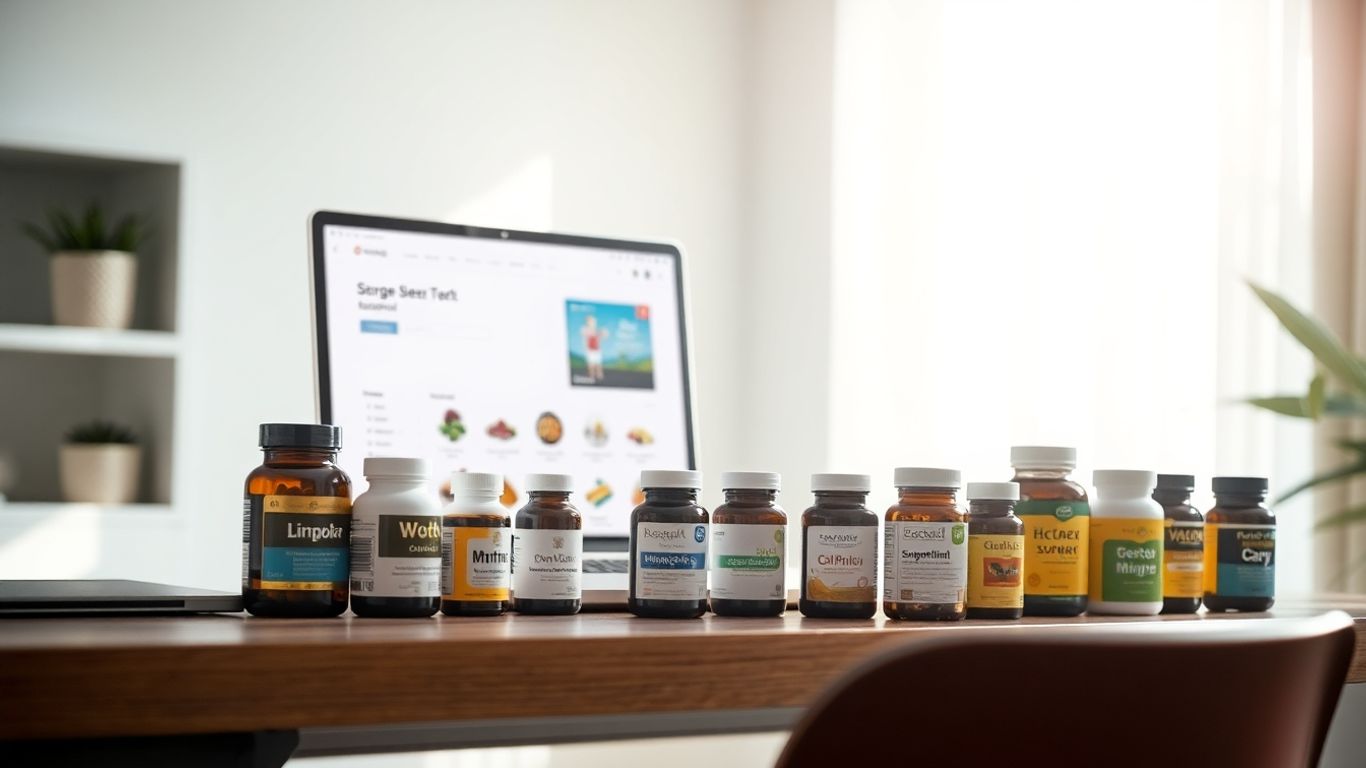
Okay, so you’re ready to jump into the supplement dropshipping game. Awesome! But before you start building your dream website, we gotta talk about the most important part: what exactly are you going to sell? Picking the right products can make or break your business. It’s not just about finding something shiny; it’s about finding something people actually want and will keep buying.
Identifying High-Demand Supplement Niches
Think about what people are talking about, what problems they’re trying to solve. Health and wellness is a huge area, but it’s also super crowded. You need to find a smaller slice of that pie where you can actually stand out. What are people looking for right now? Maybe it’s something for better sleep, more energy, or gut health. These are big categories, but you can get more specific.
- Energy Boosters: Beyond just caffeine, think about natural alternatives or supplements for sustained energy without the crash.
- Sleep Aids: Natural ingredients that help people relax and get a good night’s rest.
- Gut Health: Probiotics, prebiotics, and digestive enzymes are always popular.
- Fitness & Performance: Pre-workouts, protein powders, and recovery supplements.
- Mental Clarity & Focus: Nootropics and supplements aimed at improving cognitive function.
The key is to find a niche that has enough interest but isn’t completely saturated.
Researching Profitable Supplement Categories
Once you have a few niche ideas, it’s time to dig a little deeper. You want to find categories where people are willing to spend money and where there’s a decent profit margin. Look at what’s trending on social media, what people are searching for on Google, and what’s selling well on big e-commerce sites (but remember, you’re dropshipping, so you need suppliers for these!).
Here’s a quick way to check:
- Google Trends: See if search interest for your potential products is going up or down.
- Amazon Best Sellers: Browse categories to see what’s popular. Don’t copy directly, but get ideas.
- Social Media: What are influencers and everyday people talking about in the health space?
Don’t just pick something because it sounds cool. You need to see if there’s actual demand and if you can make money selling it.
Analyzing Competitor Product Offerings
Before you commit, take a good look at what other people are selling in your chosen niche. What are their best-selling products? What are their prices? How are they describing their products? This isn’t about copying them; it’s about understanding the market.
- Pricing: Are competitors selling similar items for $20, $50, or $100? This gives you an idea of what customers expect to pay.
- Product Features: What ingredients are highlighted? What benefits do they promise?
- Customer Reviews: What do people love about these products? What are their complaints? This is gold for figuring out how you can do better.
You’re looking for gaps. Maybe competitors aren’t focusing on a specific benefit, or perhaps their product descriptions are a bit bland. That’s where you can step in and offer something unique or more appealing to a specific customer need.
By doing this homework, you’ll be way more likely to pick products that have a real shot at success. It takes a bit of effort upfront, but trust me, it’s way better than launching a store full of stuff nobody wants.
Partnering With Reliable Supplement Suppliers

Okay, so you’ve figured out what supplements you want to sell and you’re ready to get them out there. But wait, you’re dropshipping, right? That means you don’t actually have the products. So, who does? That’s where finding the right supplier comes in. This is a big deal, seriously. Your supplier is basically your business partner, and if they mess up, your customers will blame you.
What To Look For In A Dropshipping Supplier
When you’re hunting for a supplement supplier, you can’t just pick the first one you find on Google. There are a few key things to keep an eye on. Think of it like dating – you want someone reliable, honest, and who delivers on their promises.
- Product Quality: This is non-negotiable. Are their supplements made with good ingredients? Do they have certifications? You don’t want to sell junk.
- Reliability: Can they actually ship orders on time? Do they have stock when they say they do? Nothing kills a business faster than constant stockouts or late deliveries.
- Shipping Speed & Costs: How fast do they get products to your customers, and what does it cost? Fast shipping is a huge plus for customer satisfaction.
- Communication: Are they easy to get in touch with? Do they respond quickly when you have a question or an issue? Good communication makes life so much easier.
- Return Policy: What happens if a customer wants to return something? A clear and fair return policy is important.
Vetting Potential Supplement Manufacturers
Before you commit, you gotta do your homework. Don’t just take their word for it. Here’s how to check them out:
- Ask for Samples: Always get samples of the products you plan to sell. Test them yourself. See how they look, smell, and taste (if applicable). This is your first line of defense for quality control.
- Check Reviews & Testimonials: Look for reviews of the supplier online. What are other businesses saying about them? Be wary of suppliers with a lot of negative feedback, especially about shipping or product quality.
- Inquire About Certifications: For supplements, this is super important. Ask about GMP (Good Manufacturing Practices) certifications, third-party testing, and any other quality assurance measures they have in place. This shows they’re serious about safety.
- Understand Their Inventory Management: How do they track their stock? Do they have a system that syncs with your store to prevent overselling? A manual process is a recipe for disaster.
The supplement industry has a lot of rules, and your supplier needs to be on top of them. Make sure they understand things like FDA regulations for labeling and claims. If they’re cutting corners here, you’ll be in trouble down the line.
Establishing Strong Supplier Relationships
Once you’ve found a supplier that seems like a good fit, it’s time to build that relationship. Think long-term. A good relationship means they’ll be more likely to work with you when issues pop up, offer better terms, or even give you early access to new products.
- Be Clear About Expectations: From the start, make sure you both understand order volumes, shipping times, and how you’ll handle problems.
- Pay On Time: This sounds obvious, but always pay your invoices promptly. It shows you’re a reliable business partner.
- Communicate Proactively: If you anticipate a big sales surge or have a question, let them know. Don’t wait until there’s a problem.
- Provide Feedback: Let them know what’s working well and what could be improved. Constructive feedback can help them serve you better.
Finding the right supplier takes time and effort, but it’s one of the most important steps you’ll take. Get this right, and you’re setting yourself up for success. Get it wrong, and you’ll be dealing with headaches constantly.
Building Your Online Storefront
Alright, so you’ve got your supplement ideas and you’ve found some suppliers. Now, it’s time to actually sell these things! That means you need a place for people to buy them, and that’s where your online store comes in. Think of it as your digital shop. It needs to look good, be easy to use, and make people want to click that ‘buy’ button.
Choosing The Best E-commerce Platform
This is a big decision. You need a platform that makes it simple to set up your store, add products, and handle payments. There are a bunch of options out there, and they all have their pros and cons. Some are super beginner-friendly, while others give you more control but have a steeper learning curve.
Here are a few popular choices:
- Shopify: This is probably the most common one for dropshipping. It’s really easy to get started, has tons of apps to add features, and looks professional. It costs a bit each month, though.
- WooCommerce: This is a plugin for WordPress. If you already have a WordPress site or want more customization, this is a good pick. It’s free to start, but you’ll need to pay for hosting and maybe some themes or plugins.
- BigCommerce: Similar to Shopify, it’s an all-in-one platform. It’s known for being scalable, so it’s good if you plan to grow big.
- Squarespace: If you want a really good-looking site with less hassle, Squarespace is an option. It’s more design-focused and might have fewer specific dropshipping features compared to Shopify.
The key is to pick a platform that fits your budget and your technical skills. Don’t overcomplicate it at first.
Designing A User-Friendly Website
Once you’ve picked your platform, you need to make your store look inviting. Nobody wants to shop on a site that’s confusing or ugly. You want people to find what they’re looking for quickly and easily.
- Keep it clean: Use a simple, professional design. Don’t cram too much information onto one page.
- Easy navigation: Make sure your menu is clear. People should be able to find product categories, contact info, and your policies without hunting.
- Mobile-friendly: Most people shop on their phones these days. Your site has to look and work great on a small screen.
- Fast loading: Slow websites lose customers. Optimize your images and choose a good platform that loads quickly.
Crafting Compelling Product Descriptions
This is where you convince people to buy your supplements. Don’t just copy what your supplier gives you. You need to write descriptions that highlight the benefits and make the product sound appealing.
Think about:
- Who are you talking to? Use language that your target customer understands and relates to.
- What problem does it solve? Focus on how the supplement will help them achieve their goals, whether it’s more energy, better sleep, or muscle gain.
- Key ingredients and benefits: Clearly list what’s in it and what each ingredient does. Keep it simple and avoid making health claims you can’t back up.
- Call to action: Gently encourage them to buy. Something like "Add to Cart" or "Get Yours Today."
Remember, your product descriptions are your sales pitch. They need to be informative, persuasive, and honest. Avoid making wild claims about health benefits, as this can get you into trouble with regulations. Stick to what the product does and its ingredients.
For example, instead of just saying "Great for energy," try something like: "Boost your daily energy levels with our natural blend of B vitamins and green tea extract. Feel more focused and less tired throughout your day, without the jitters."
Navigating Legalities And Regulations
Okay, so you’ve got your products, your suppliers, and your shiny new website. Awesome! But before you start raking in the dough, we gotta talk about the not-so-fun stuff: the rules and regulations. Especially with supplements, there are some important things to keep in mind to keep yourself out of hot water.
Understanding FDA Guidelines For Supplements
The Food and Drug Administration (FDA) has a say in how supplements are made, labeled, and sold. It’s not like they approve every single supplement before it hits the market, but they do have rules. For starters, supplements are generally considered food, not drugs. This means they don’t go through the same rigorous testing for safety and effectiveness that drugs do. However, manufacturers and distributors are responsible for making sure their products are safe and that the claims they make on the label are truthful and not misleading. You can’t just say your supplement cures cancer, for example. You’ll want to get familiar with the Dietary Supplement Health and Education Act (DSHEA) of 1994. It’s the main law that governs supplements in the US.
Ensuring Product Safety And Compliance
This is where your supplier relationships really matter. You need to trust that your supplier is making safe, quality products. Ask them about their manufacturing practices. Do they follow Good Manufacturing Practices (GMP)? This is a big one. GMPs are basically a set of standards that ensure products are consistently produced and controlled according to quality standards. It covers everything from the raw materials used to the cleanliness of the facility and the training of the staff. You also need to be careful about the claims you make on your website. Stick to what the product actually does and what’s backed by science. Avoid making disease claims or promising miracle cures. It’s a fine line, and it’s better to be safe than sorry.
Handling Returns And Customer Service
Even with the best products, sometimes things go wrong. A customer might not like a supplement, or maybe it arrives damaged. You need a clear return policy. What’s your stance on opened vs. unopened products? How long do customers have to return something? Make sure this is clearly stated on your website. When it comes to customer service, be responsive and helpful. Dealing with customer complaints or issues professionally can turn a negative experience into a positive one, and it builds trust. Remember, good customer service is key to repeat business, especially in the supplement world where people can be picky.
When selling supplements, think of yourself as a gatekeeper of information. You’re not just selling a product; you’re providing a solution or a health aid. This comes with a responsibility to be accurate, honest, and compliant with all relevant regulations. Ignorance isn’t a valid excuse when the FDA comes knocking.
Here are some key things to keep in mind:
- Labeling: Make sure all labels are accurate and include required information like ingredients, serving size, and warnings.
- Claims: Avoid making unproven health claims. Stick to structure/function claims that are allowed by the FDA.
- Adverse Events: Have a system in place to report any serious adverse events associated with your products to the FDA.
- Third-Party Testing: While not always required, consider working with suppliers who use third-party testing to verify product purity and potency. This adds a layer of credibility.
Marketing Your Supplement Business Effectively
Okay, so you’ve got your store set up, your products are ready to go, and you’ve found some awesome suppliers. Now comes the fun part: telling people about your amazing supplements! Without a solid marketing plan, even the best products won’t sell themselves. We need to get the word out there.
Developing A Content Marketing Strategy
Think of content marketing as giving people useful information that just happens to lead them to your products. It’s not just about shouting "Buy my stuff!" It’s about building trust and showing you know your stuff. What kind of content? Well, you could start a blog on your website. Write about the benefits of certain vitamins, explain how different supplements can help with common issues (like sleep or energy), or even share healthy recipes that incorporate your products. The goal is to be a go-to resource for health and wellness information.
Here are a few ideas to get you started:
- Blog Posts: "5 Ways Vitamin D Can Boost Your Mood," "Understanding Protein Powders: Which One Is Right For You?", "Natural Ways to Improve Sleep Quality."
- Infographics: Visually appealing charts showing supplement benefits or ingredient breakdowns.
- Videos: Short clips explaining product usage, demonstrating exercises, or interviewing a nutritionist (if you can swing it).
- Guides: Longer, downloadable guides on topics like "A Beginner’s Guide to Fitness Supplements."
Remember, the more helpful your content is, the more likely people are to share it and come back for more. This builds a loyal audience over time.
Leveraging Social Media For Reach
Social media is where a lot of your potential customers hang out. You need to be there too! Pick the platforms where your target audience spends their time. For supplements, this often means Instagram, Facebook, and maybe even TikTok or Pinterest, depending on your niche.
- Instagram: Great for visually appealing content. Share product photos, user-generated content (people using your supplements), and short video tips.
- Facebook: Build a community. Create a group for your customers, run polls, and share longer-form content like blog post links.
- TikTok: Short, engaging videos are key. Think quick health tips, behind-the-scenes looks, or fun challenges related to wellness.
Don’t just post and ghost. Engage with your followers! Respond to comments and messages. Run contests and giveaways to boost engagement. Consistency is key here; post regularly to stay top-of-mind.
Exploring Paid Advertising Options
While organic reach is great, sometimes you need to give your marketing a little push. Paid ads can help you reach a much wider audience quickly. Platforms like Google Ads and social media ads (Facebook, Instagram) allow you to target specific demographics, interests, and behaviors.
- Google Ads: People searching for specific supplements or health solutions will see your ads. This is great for capturing high-intent buyers.
- Social Media Ads: You can target people based on their interests (e.g., fitness, healthy eating, specific health conditions) and even retarget people who have visited your website.
Start with a small budget and test different ad creatives and targeting options. See what works best before you ramp things up. It’s all about finding the right audience and the right message that makes them click.
Marketing supplements requires a careful balance. You want to highlight the benefits and appeal to people’s desire for better health, but you also need to be mindful of regulations and avoid making unsubstantiated claims. Always stick to what’s truthful and backed by science. Your reputation depends on it.
Optimizing Your Website For Conversions
Improving User Experience On Your Site
So, you’ve got your supplement store up and running. Awesome! But are people actually sticking around and buying? If not, it might be time to look at how easy your website is to use. Think about it from a customer’s point of view. Can they find what they’re looking for quickly? Is the site loading fast enough, or are they bouncing before it even loads?
A clunky website is a conversion killer. People are impatient online. They want things to be simple and straightforward. This means making sure your navigation is clear, your pages load super fast, and everything looks good on their phone, not just their desktop. Little tweaks here can make a big difference in how many visitors actually turn into buyers.
Here are a few things to check:
- Site Speed: Use tools like Google PageSpeed Insights to see how fast your pages load. Slow sites lose customers.
- Mobile-Friendliness: Most people shop on their phones. Make sure your site looks and works perfectly on a small screen.
- Clear Navigation: Can someone find your best-selling protein powder or your new line of vitamins without getting lost? Keep menus simple.
- Easy-to-Read Text: Use clear fonts and good contrast. Walls of tiny text are a no-go.
Streamlining The Checkout Process
This is where the magic (or the disaster) happens. The checkout is the final hurdle. If it’s complicated, confusing, or takes too long, people will just abandon their carts. We’ve all been there, right? You’re ready to buy, but then you have to create an account, enter your credit card details three times, and figure out shipping costs that seem way too high. Ugh.
Your goal here is to make it as smooth as possible. Think about offering guest checkout. That way, people don’t have to sign up if they don’t want to. Also, be upfront about shipping costs early on. Nobody likes a surprise at the very end.
Consider these points:
- Guest Checkout: Let people buy without creating an account.
- Minimize Form Fields: Only ask for what you absolutely need. Do you really need their fax number?
- Multiple Payment Options: Offer popular methods like PayPal, Apple Pay, and major credit cards.
- Progress Indicator: Show customers where they are in the checkout process (e.g., Step 1 of 3).
The checkout page is the final step before a sale. If it’s a hassle, people will leave. Make it as simple and quick as possible to get that order confirmed.
Utilizing Customer Reviews And Testimonials
People trust other people more than they trust ads. That’s just how it is. When potential customers see that real people have bought your supplements and liked them, it builds trust. It’s like getting a recommendation from a friend.
Don’t be afraid to ask for reviews after a purchase. You can even offer a small discount on their next order as a thank you. Displaying these reviews prominently on your product pages can really make a difference. It shows that your products work and that your business is legit.
Think about:
- Asking for Reviews: Send follow-up emails asking customers to share their experience.
- Displaying Reviews: Put them right on the product pages, maybe even on your homepage.
- Responding to Reviews: Thank customers for positive feedback and address any negative comments professionally.
- Using Testimonials: Short, impactful quotes from happy customers can be very persuasive.
Managing Orders And Customer Fulfillment
Okay, so you’ve got orders coming in – awesome! But now comes the part where you actually get those supplements to your customers without holding any stock yourself. This is where the magic of dropshipping really shines, but it also needs some attention to detail. Getting this right means happy customers and repeat business.
Automating Your Order Processing
Manually processing every single order is a recipe for burnout, especially when things pick up. You want to set up systems so that when a customer clicks ‘buy’ on your site, the order automatically gets sent to your supplier. Most e-commerce platforms have apps or integrations that can do this. Think of it like a digital conveyor belt – customer order goes in, supplier gets notified, and they get ready to ship.
- Connect your store to your supplier’s system: This is usually done through an app or API. Look for integrations that your chosen platform (like Shopify or WooCommerce) supports.
- Set up automatic order forwarding: Make sure the system is configured to send order details (product, quantity, shipping address) to the right place.
- Handle payment processing: Ensure your payment gateway is set up correctly so funds are collected before the order is sent to the supplier.
Tracking Shipments And Providing Updates
Once your supplier ships the product, you need to know where it is. Your supplier should give you a tracking number. You then need to pass this on to your customer. This transparency is super important for building trust. Nobody likes waiting for something without knowing if it’s even on its way.
- Get tracking numbers from your supplier: Make this a non-negotiable part of your agreement.
- Automate tracking updates: Use apps that can automatically send tracking information to your customers via email or SMS once you receive it.
- Create a customer-facing tracking page: Some platforms allow you to build a page on your website where customers can enter their order number to see the latest shipping status.
Customers expect to know what’s happening with their order. If you can provide clear, timely updates about shipping, you’re already ahead of the game. It shows you care about their experience even after the sale.
Handling Customer Inquiries Promptly
Even with automation, questions will come up. Customers might ask about shipping times, product details, or what to do if something goes wrong. Your response time here is key. Quick, helpful answers can turn a potentially negative experience into a positive one. Remember, you’re the face of the business, even though your supplier is doing the actual shipping.
- Set up a dedicated customer service email: Make it easy for customers to reach you.
- Create an FAQ page: Answer common questions proactively to reduce the number of individual inquiries.
- Respond within 24 hours: Aim to get back to customers as quickly as possible, even if it’s just to say you’re looking into their issue.
Scaling Your Supplement Dropshipping Business
So, you’ve got your supplement dropshipping business up and running, and things are looking good. That’s awesome! But what’s next? You don’t want to just stay put, right? It’s time to think about growing. Scaling means making your business bigger and more profitable without getting completely swamped. It’s about working smarter, not just harder.
Expanding Your Product Catalog
Adding more products can be a great way to grow. Think about what else your customers might want. If they’re buying protein powder, maybe they’d also be interested in shakers, pre-workout, or even workout gear. It’s about giving them more reasons to buy from you.
- Look at what’s selling well: If a certain type of supplement is a hit, find related items.
- Listen to your customers: What are they asking for? What problems are they trying to solve?
- Keep an eye on trends: What new ingredients or types of supplements are becoming popular?
Don’t just add random stuff, though. Make sure the new products fit with what you’re already selling and make sense for your brand. The goal is to offer a more complete solution for your customers’ health and fitness needs.
Exploring New Marketing Channels
You’ve probably got a few marketing strategies that are working. That’s great! But to really grow, you need to reach more people. Think about trying out some new ways to get the word out.
- Influencer Marketing: Partnering with fitness or health influencers can introduce your products to a whole new audience. Find people whose followers match your target customer.
- Affiliate Programs: Let other people promote your products for a commission. This can be a low-risk way to get more sales.
- Email Marketing: If you’re not already, start building an email list. It’s a direct line to your customers and a great way to promote new products or sales.
Analyzing Performance Metrics For Growth
How do you know if your scaling efforts are actually working? You’ve got to look at the numbers. Tracking key metrics helps you see what’s paying off and what’s not.
Here are some things to keep an eye on:
| Metric | What it tells you |
|---|---|
| Customer Acquisition Cost (CAC) | How much it costs to get a new customer. |
| Customer Lifetime Value (CLV) | How much a customer spends with you over time. |
| Conversion Rate | How many visitors actually buy something. |
| Average Order Value (AOV) | How much customers spend per order, on average. |
| Return on Ad Spend (ROAS) | How much money you make back for every dollar spent on ads. |
Looking at these numbers regularly helps you make smart decisions. You can see which marketing channels are bringing in the most profitable customers and where you might be wasting money. It’s all about making data-driven choices to guide your growth.
Scaling isn’t a one-time thing; it’s an ongoing process. Keep testing, keep learning, and keep adapting. Your supplement business has a lot of potential, and with the right approach, you can definitely grow it into something bigger and better.
Ready to take your supplement dropshipping business to the next level? Growing your business means finding smart ways to reach more customers and make more sales. We’ll show you how to do just that. Visit our website today to learn the secrets to scaling up!
So, What's the Takeaway?
Alright, so we’ve gone over how to get into dropshipping supplements without needing a giant warehouse full of product. It’s not exactly a walk in the park, you know? There’s work involved in finding good suppliers, setting up your store, and actually getting people to buy. But the cool part is you don’t have to front a ton of cash for inventory. If you put in the effort to research and market right, this could totally be a way to start your own business. Just remember to keep learning and don’t be afraid to tweak things as you go. Good luck out there!
Frequently Asked Questions
What exactly is dropshipping supplements?
Dropshipping supplements means you sell vitamins and health products online, but you don’t keep any of them in stock yourself. When a customer buys something from your store, you order it from a supplier, and they ship it directly to the customer. You never touch the product!
Why is selling supplements this way a good idea?
It’s a smart move because you don’t need a lot of money to start. You don’t have to buy tons of products upfront, which saves you cash. Plus, you can work from anywhere with an internet connection, making it super flexible.
How do I pick the best supplements to sell?
First, look for what people are searching for a lot. Think about popular health trends or specific needs people have. Check out what other stores are selling and see if you can find something similar or even better.
Where can I find good suppliers for my supplements?
You need to find suppliers who are reliable and send out orders quickly. Look for companies that specialize in dropshipping supplements. It’s a good idea to talk to a few different ones and check their reviews before you decide.
What rules do I need to follow when selling supplements?
There are rules, especially from groups like the FDA, about what you can say about your supplements and how they should be made. You need to make sure your products are safe and that you’re following all the laws to avoid problems.
How can I get people to buy from my online store?
You need to tell people about your store! Use social media to share interesting facts about health and your products. You can also write blog posts or run ads online to reach more potential customers.
What makes a website good for selling supplements?
Your website should be easy to use and look trustworthy. Customers should be able to find what they want quickly and have a simple way to pay. Good pictures and clear descriptions of the supplements are also important.
How do I handle shipping and unhappy customers?
Your supplier usually handles shipping, but you need to make sure they send orders out on time. If a customer has a problem or wants to return something, you need a clear plan to help them out quickly and politely.